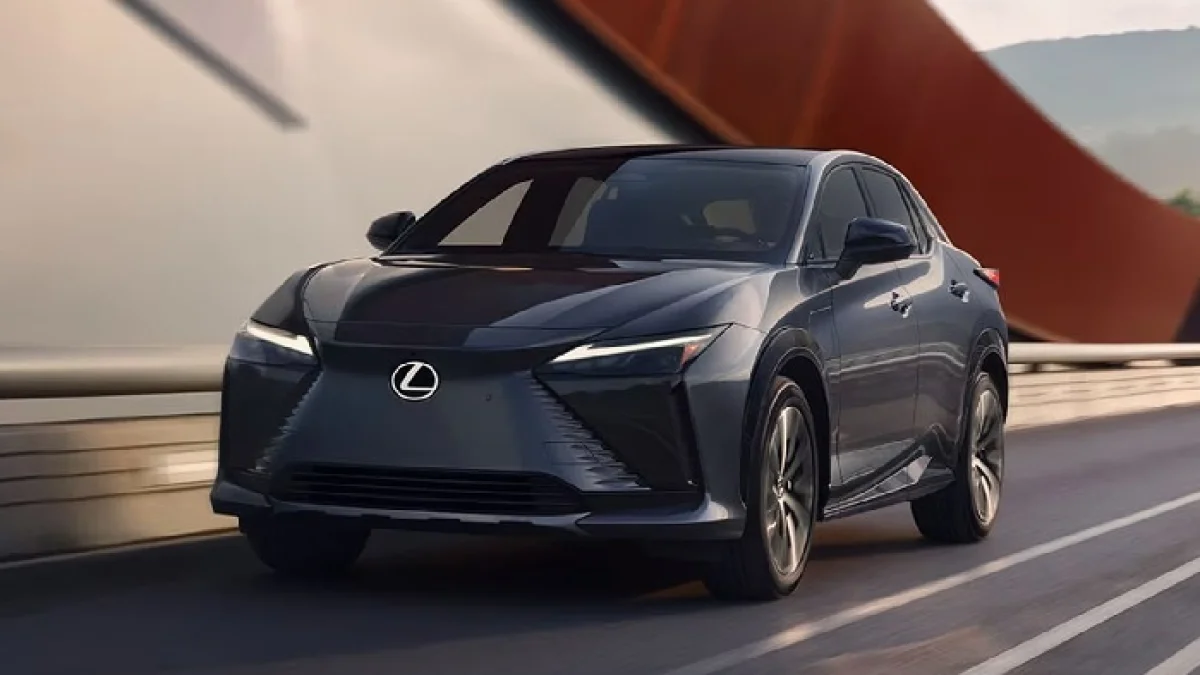
Lighter Weight and 800 km Range — Lexus Rebuilds Its EVs from Scratch
Lexus is entering a new era of EV development with Gigacasting technology that reduces the car body to just 3 sections instead of 175 separate parts. Toyota is developing a 'Performance' lithium-ion battery targeting over 800 km of WLTP range with 10-80 percent charging in 20 minutes. Weight reduction and a 20 percent cost cut are central to the new strategy. Factories will also see a radical change with conveyor belts removed and vehicles moving autonomously along assembly lines.
Lexus is entering a completely different phase in electric vehicle development, relying on a new Gigacasting technology that reduces the car's body to just 3 main sections. Parent company Toyota targets a driving range exceeding 800 km under WLTP standards while cutting weight and production costs.
A Body Made of 3 Sections Instead of 175 Parts
The numbers are striking. Current bodies can contain around 175 separate parts in the front and rear sections, but giant casting merges them into single large units. The difference is fundamental in manufacturing time and structural rigidity, and it gives engineers far more freedom to develop distinct shapes and designs for future EVs.
This radical shift in manufacturing differs completely from traditional assembly lines that join hundreds of small metal pieces, marking a major leap for Lexus in the global EV race. The expected result is a stiffer, lighter body with significantly reduced build time.
New Battery and a Range Beyond 800 km
Every kilogram eliminated reduces the energy required to move the car. Toyota is working in parallel on a new generation of lithium-ion batteries called 'Performance', targeting a range exceeding 800 km when combined with aero improvements and lower weight. The new battery supports charging from 10 to 80 percent in 20 minutes or less.
Cost sits at the heart of the equation too, as the new battery aims for a 20 percent cost reduction compared to the previous generation used in Toyota EVs. This combination of longer range and lower cost could reshape competition globally, especially as European and Chinese brands accelerate their own plans.
Factories Without Conveyor Belts
The transformation doesn't stop at the body structure. Lexus plans to redesign how the car is assembled, eliminating part of traditional production lines that rely on conveyor belts. Vehicles will move themselves inside the plant, opening the door to unprecedented manufacturing flexibility.
This step reflects a broader vision within the Japanese group to shake off the limitations of the first EV generation. Fewer components mean fewer failures and lighter maintenance costs, translating directly into a more competitive final price. The global market is watching for the first model to adopt these technologies, as the next EV battle will likely be won on the factory floor before it reaches the showroom.
Frequently Asked Questions
3 questions answered
Related News
View All News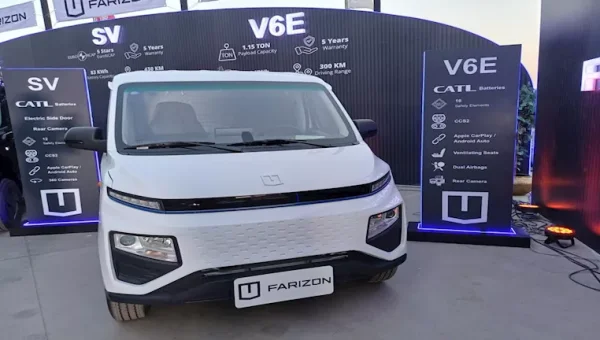
Farizon Electric Vehicles Officially Launched in Egypt Starting at 1.2 Million EGP
National Motors has launched four Farizon commercial electric vehicle models in Egypt with prices starting at 1,225,000 EGP. The lineup includes the F1E, V6E, H8E, and SV, covering light transport,…
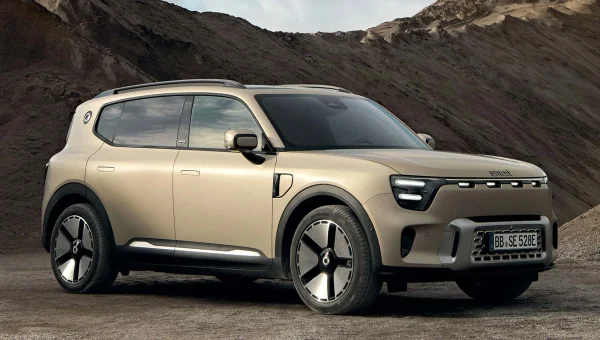
Smart #5 Electric Car in Egypt: EGP 100,000 Price Hike Across All Trims
Ezz Elarab Group, Smart's distributor in Egypt, raised prices for the Smart #5 electric SUV by EGP 100,000 on all trims. The base trim now costs EGP 2.3 million, the…
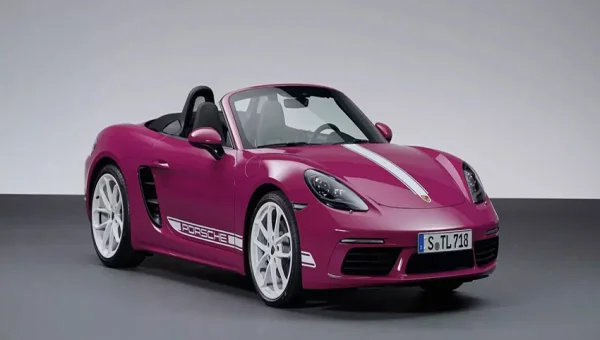
Porsche 718 Electric 2027: The End of Petrol Engines Is Official
Porsche has confirmed that the next-generation 718 Boxster and 718 Cayman will be fully electric, launching in 2027. The new model places its battery behind the seats and uses an…
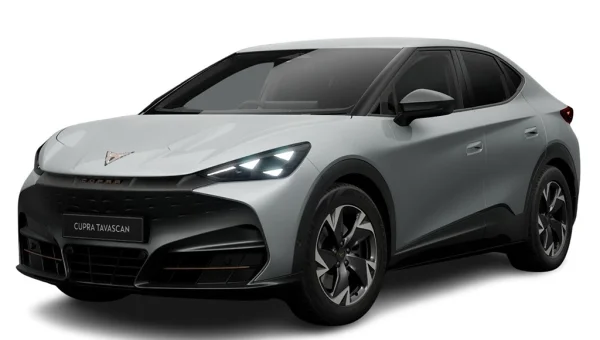
Cupra Tavascan to Debut in Egypt on October 15: All-Electric with Up to 340 HP
The Cupra Tavascan is set to make its Egyptian debut on October 15 through local agent Kayan Egypt. The all-electric crossover comes in two versions: a 285 hp single-motor model…
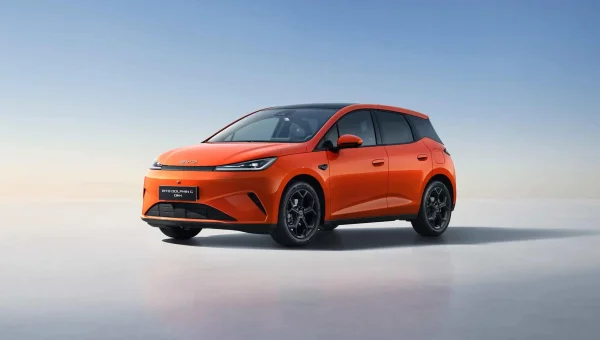
BYD Unveils Dolphin G DM-i with 1,040 km Range at Paris Motor Show
BYD has unveiled its new hybrid Dolphin G DM-i at the 2026 Paris International Motor Show. The compact car features a fifth-generation Super Hybrid DM system with a total driving…