DM-i and REEV Technologies: Why Automakers Are Betting on Flexible Hybrids Over Full EVs
The global automotive industry is experiencing one of its most profound transformations since the dawn of the internal combustion engine. With the rapid adoption of electric and hybrid vehicles, new powertrain technologies like DM-i and REEV are emerging to bridge the gap between the efficiency of traditional EVs and the flexibility of gasoline-powered cars. As governments and manufacturers push to reduce carbon emissions, a critical question arises: has the countdown to the end of the gasoline era truly begun?
Global Race Toward Electrification
In recent years, the shift to electric mobility has evolved from a purely environmental initiative into a massive industrial and economic strategy embraced by the world's leading automakers. Giants such as BYD, Tesla, and Volkswagen are investing billions of dollars into electric vehicle development and battery technology, while numerous countries are establishing strict timelines to phase out conventional cars.
However, despite this global momentum, significant hurdles remain. Challenges related to charging infrastructure, driving range, and the high upfront cost of electric vehicles continue to impede a complete transition away from gasoline. This reality has paved the way for more flexible and practical hybrid solutions.
Understanding DM-i Technology
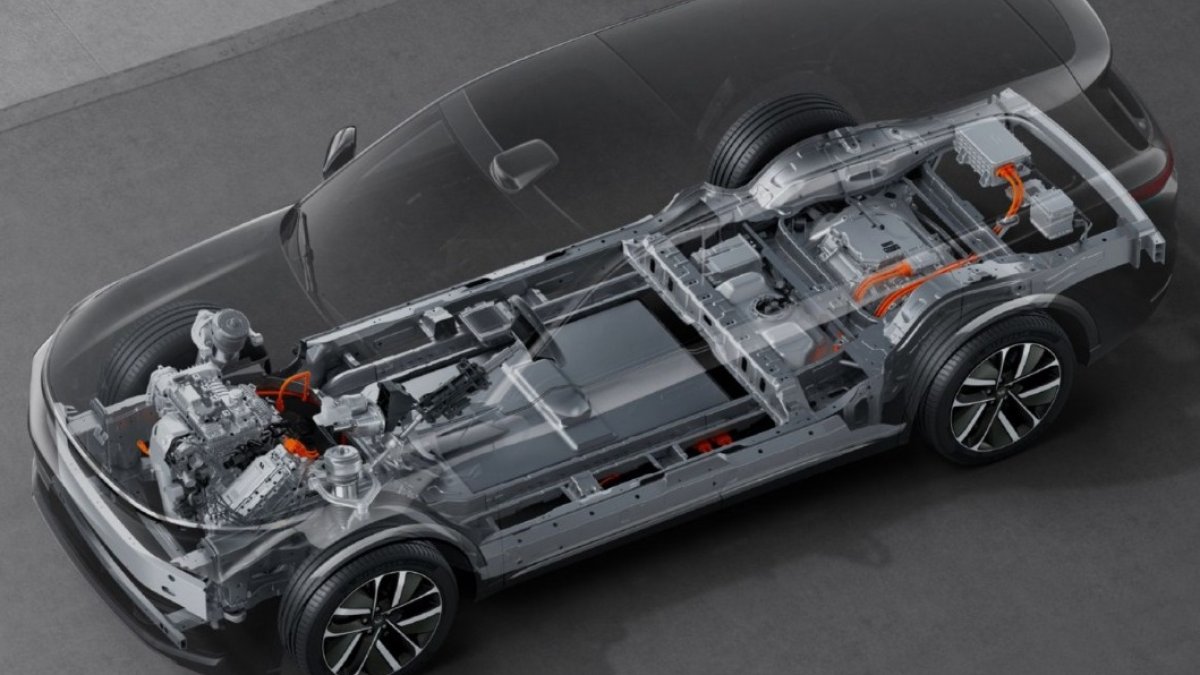
Developed by BYD, DM-i technology has emerged in recent years as one of the most advanced hybrid powertrains available. It operates on an electricity-first philosophy, where the vehicle is primarily propelled by its electric motor under most driving conditions. The gasoline engine intervenes only to charge the battery or provide additional range when needed. Remarkably, some models equipped with this system can achieve a driving range exceeding 1,200 kilometers on a single tank of fuel and a full electric charge.
What sets DM-i apart from traditional hybrid systems is that the combustion engine is not the primary source of propulsion. Instead, it acts as a support system for the electric drivetrain, delivering a driving experience akin to a pure electric vehicle while maintaining exceptionally low fuel consumption.
REEV Technology: Electric Driving with a Safety Net
On the other hand, REEV (Range Extended Electric Vehicle) technology follows a slightly different philosophy. In these vehicles, the wheels are driven exclusively by the electric motor. The gasoline engine functions solely as an onboard generator to recharge the battery when its level drops, with no direct mechanical connection to the wheels.
This architecture is considered one of the most effective solutions for eliminating range anxiety. It grants electric vehicles the capability to cover significantly longer distances without relying entirely on the charging network, seamlessly blending the smooth dynamics of electric driving with the convenience of a gasoline backup.
Related News
View All News
Renault Invests Over €10 Billion to Challenge Chinese EVs with Affordable Electric Cars
Renault Group will invest more than €10 billion in France over the next five years, following €13 billion spent since 2021 on its electric shift. The goal is to lower…
Tesla Accelerates Cybercab Rollout Without Steering Wheel Amid US Probe Into 1,000 Vehicles
Tesla has started operating more than 40 Cybercab vehicles in its Robotaxi service in Austin, Texas, after completing engineering tests in 2026. The two-seat vehicle has no steering wheel or…
Volkswagen's MEB Platform in China: How the Electric Car Landscape Is Being Reshaped
Volkswagen has announced the localization of its MEB electric platform in China through a partnership with Xiaomi. The platform supports models like the ID.4 and SU7 and is key to…
China's Battery Tax Puts Chinese EV Prices to a New Test
China began applying a 2% consumption tax on lithium-ion batteries on September 1, 2026, set to rise to 4% in September 2027, ending an exemption in place since 2015. The…
Dongfeng MAGE EV Set to Launch in Egypt as First Locally Assembled Electric SUV
SN Automotive is set to launch the Dongfeng MAGE EV in Egypt within days, marking the first locally assembled electric SUV in the country. The vehicle is built at El…