Volkswagen's MEB Platform in China: How the Electric Car Landscape Is Being Reshaped
Volkswagen has announced the localization of its MEB electric platform in China through a partnership with Xiaomi. The platform supports models like the ID.4 and SU7 and is key to the brand's expansion in the Chinese market. This shift is expected to lower production costs, potentially impacting EV prices in emerging markets, including Egypt. The partnership comes amid fierce competition with Tesla and BYD.
Volkswagen Group has announced a strategic development in the electric vehicle sector, localizing production of its global MEB platform in China. The platform, which underpins models like the Volkswagen ID.4, is now at the center of an industrial partnership aimed at cutting costs and accelerating production in the world's largest car market.
Strategic Partnership with Xiaomi to Expand Manufacturing Footprint
The most notable step in this shift is the collaboration with Xiaomi. That entered the automotive world aggressively with its SU7 model. This cooperation goes beyond knowledge sharing; it extends to utilizing the MEB architecture for developing new models. But what does this mean for the Egyptian consumer? The answer lies in costs.
Potential Impact on Electric Vehicle Prices
The MEB platform is known for supporting various battery sizes and range options, giving manufacturers significant flexibility. With part of the production shifting to China, manufacturing costs are expected to drop. That could reflect on EV prices in emerging markets. Currently, imported Volkswagen EVs in Egypt range between EGP 2.5 and 3.5 million — a price point far beyond most buyers.
The Future of EVs in the Egyptian Market
The Tesla and BYD markets are witnessing fierce competition. Any reduction in global production costs will positively impact local prices. Yet the biggest challenge remains the charging infrastructure, which is still limited outside major cities. Analysts believe 2026 could be a decisive year for EV adoption in Egypt if this infrastructure improves.
Volkswagen's China move isn't just a manufacturing decision; it's a redrawing of alliance maps in the auto industry. The MEB platform, born as a European standard, now finds a new home in the East. For consumers, the most important question isn't about technology, but about the price at which the final product will reach Egyptian roads.
Frequently Asked Questions
3 questions answered
Related News
View All News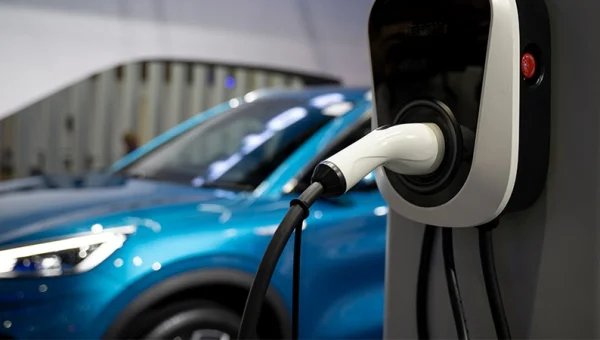
China's Battery Tax Puts Chinese EV Prices to a New Test
China began applying a 2% consumption tax on lithium-ion batteries on September 1, 2026, set to rise to 4% in September 2027, ending an exemption in place since 2015. The…
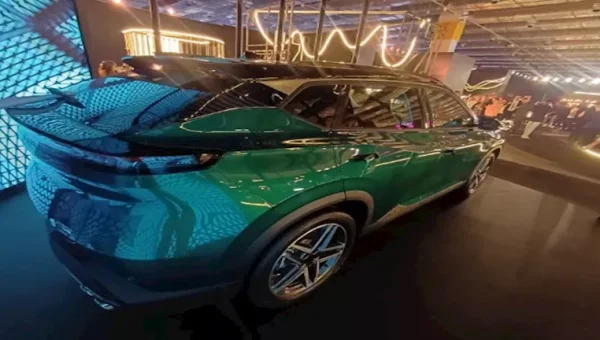
Dongfeng MAGE EV Set to Launch in Egypt as First Locally Assembled Electric SUV
SN Automotive is set to launch the Dongfeng MAGE EV in Egypt within days, marking the first locally assembled electric SUV in the country. The vehicle is built at El…
European Safety Body Urges EU to Reject Tesla FSD Over Speed Limit Override
The European Transport Safety Council (ETSC) has called on EU member states to reject Tesla's Full Self-Driving (FSD) supervised system. The key objection is a speed margin function that lets…
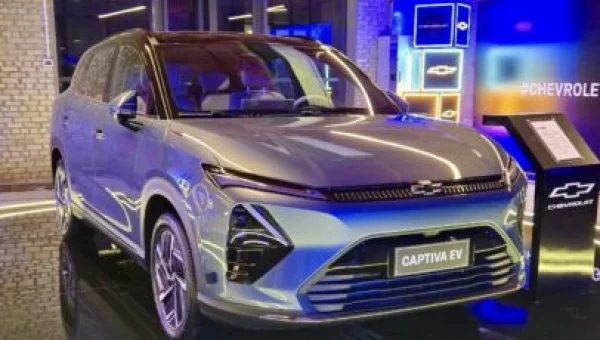
Chevrolet Captiva EV Gets EGP 50,000 Discount from Egyptian Distributor
A Chevrolet distributor in Egypt has announced a EGP 50,000 discount on the Chevrolet Captiva EV, bringing its price down to EGP 1.35 million from EGP 1.4 million. The electric…
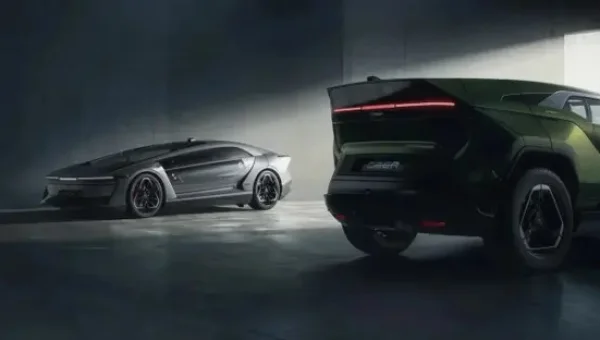
Exobot: Saudi Arabia's First EV Brand Ceer Launches 7-Model Plan Through 2030
Ceer, Saudi Arabia's first EV brand, has launched its first model, the Exobot, available as a sedan and SUV. The plan targets seven electric models by 2030 covering different price…