China's Battery Tax Puts Chinese EV Prices to a New Test
China began applying a 2% consumption tax on lithium-ion batteries on September 1, 2026, set to rise to 4% in September 2027, ending an exemption in place since 2015. The tax does not translate into an equal increase in EV sticker prices, as manufacturers may absorb part of the cost by reducing margins. Meanwhile, China kept exemptions for sodium-ion, solid-state, and fuel-cell batteries through the end of 2028, while cutting the VAT rebate on battery exports from 9% to 6% ahead of full cancellation in January 2027.
China started collecting a 2% consumption tax on lithium-ion batteries on September 1, 2026, ending an exemption that had been in place since 2015 and putting pressure on the production costs of BYD and other Chinese electric vehicles. The rate will climb to 4% in September 2027. The figure looks small.
Does a 2% Battery Tax Mean a 2% Higher Car Price?
No. The tax applies to the lithium-ion battery as a component, not to the full vehicle sticker price. A car's cost includes raw materials, manufacturing, profit margins, and competitive pricing strategy. Companies like Chery may absorb part of the burden by trimming margins or improving production efficiency, while others could pass a portion to buyers. There is no uniform response across the industry.
Beijing Keeps Tax Breaks for Next-Gen Batteries
China maintained tax exemptions for sodium-ion batteries, solid-state batteries. Fuel cells from September 2026 through December 2028, provided they meet national standards. This gives emerging technologies a clear cost advantage over conventional lithium-ion. Manufacturers like Tesla and Volkswagen that are investing in solid-state research could accelerate their adoption inside China to benefit from the exemption window.
Export Rebate Cut Adds Another Layer of Pressure
A separate decision reduces the VAT rebate on battery exports from 9% to 6% starting April 2026, with full cancellation set for January 1, 2027. Export-focused battery makers will feel the squeeze first. The cost of shipped battery cells may rise accordingly. Automakers such as MG and Geely that source cells from China could see the impact in future supply contracts.
What It Means for Chinese EVs Sold in Egypt
Chinese electric vehicles in the Egyptian market, including the BYD Seagull and Xiaomi SU7, rely on imported lithium-ion batteries. Any increase in battery cost will gradually affect import prices, but fierce competition among Chinese brands could delay the full impact reaching consumers. Local distributor pricing and BYD prices in the market will determine the actual outcome.
Officially, the numbers are 2% then 4%. How much reaches the buyer's pocket is a company decision.
Frequently Asked Questions
3 questions answered
Related News
View All NewsChevrolet Plans Silverado EV with Range-Extender Gas Engine
Chevrolet is considering a version of the Silverado EV with a gasoline range extender that acts as a generator. The move aims to increase driving range and address customer concerns…
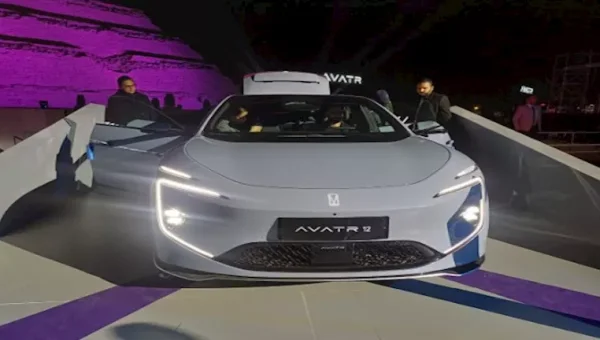
AVATR 12 2027 Launched in Egypt: Prices Start at EGP 3.08 Million
AVATR has launched the 2027 model of its 12 electric coupe SUV in Egypt this November, offered in three trims. Prices start at EGP 3,080,000 and rise to EGP 3,580,000…
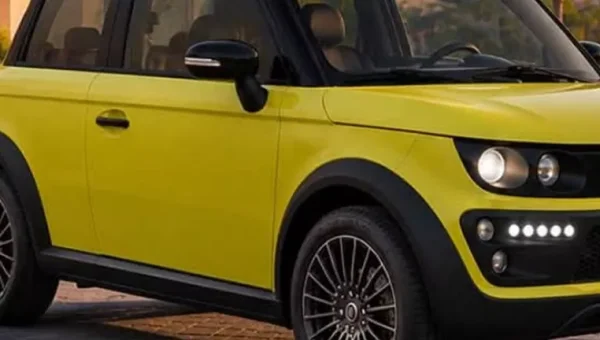
3 New Electric Cars in Egypt That Need No Traffic License
Egypt has welcomed three ultra-compact electric cars that require no traffic license, led by the Vibe at EGP 680,000. These vehicles belong to the light quadricycle category with a top…
Essential Tips to Prepare Your EV for Safe Autumn Driving
The guide outlines practical steps to prepare electric vehicles for autumn, from checking tires, lights, and wipers to inspecting brakes and charging equipment. Wet roads can double stopping distances, so…
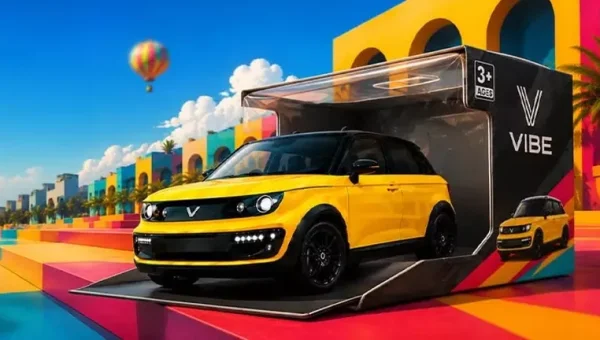
New Vibe Electric Car in Egypt at EGP 680,000 With No License Required
VIBE Mobility has launched the Vibe ultra-compact electric car in Egypt at EGP 680,000, requiring no traffic license. It features a 17.3 kWh LFP battery, a 20 hp motor, 200…