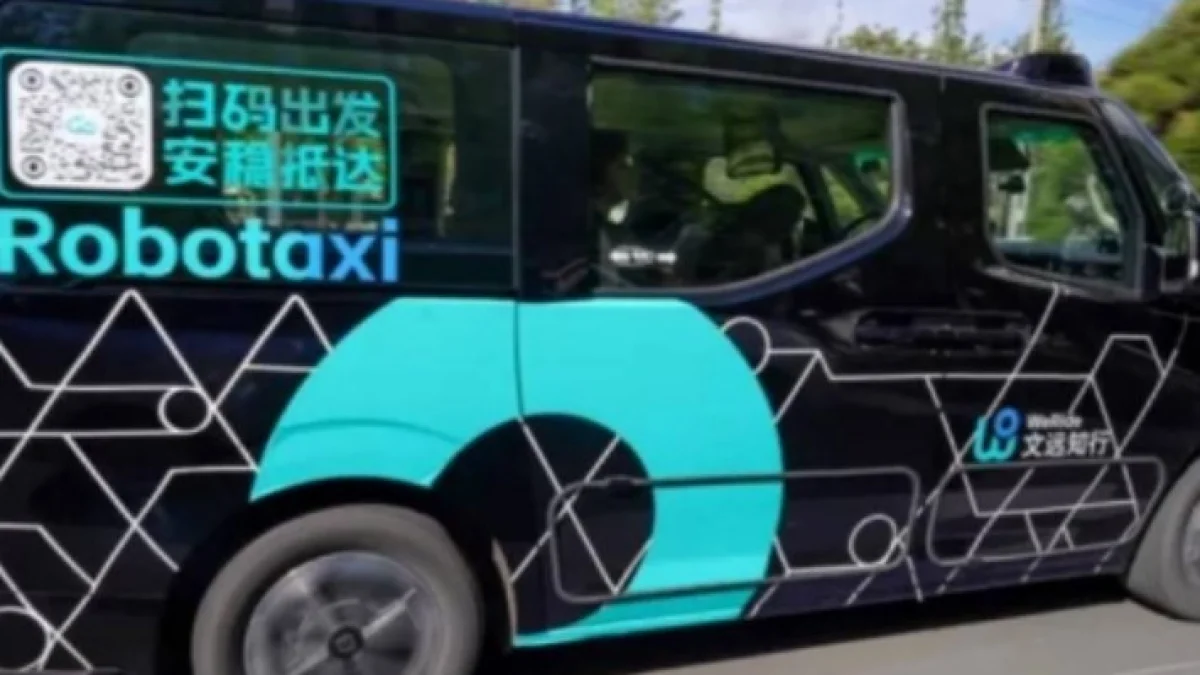
China's Electric Taxis Help Cushion Global Oil Price Shocks
China's electric taxis are playing a pivotal role in mitigating the impact of global oil price volatility, emerging as one of the most effective tools for absorbing the shocks caused by rising crude prices. This comes alongside the rapid expansion of electric vehicle adoption and smart mobility services, which have significantly reduced reliance on conventional fuels even amid disruptions in global energy markets.
Ride Numbers Surge Despite Crises
China witnessed a substantial increase in the use of taxis and ride-hailing services since the beginning of last year. According to available data, the number of trips rose by 6 percent from March to May compared to the same period a year earlier, reaching a total of 3.05 billion trips in May alone. This accelerated growth reflects a fundamental shift in the daily commuting patterns of Chinese citizens.
Fares Drop in a Striking Paradox
In a notable development, taxi and ride-sharing fares declined despite rising gasoline prices. The main reason for this decrease is a massive influx of drivers entering the sector seeking job opportunities amid an economic slowdown, combined with the lower operating costs of electric vehicles compared to their conventional counterparts. A driver working for a ride-hailing platform in Beijing explained that fares have dropped by approximately 10 to 15 percent over the past six months due to intense competition among drivers.
Massive Transformation of the Public Fleet
Data from China's Ministry of Transport indicates that about 50 percent of the country's total taxi fleet, which numbers 1.3 million vehicles, now runs on electric power. This proportion approaches 100 percent in many major cities, underscoring China's commitment to clean transportation policies. Using taxis has become more economically viable for many gasoline car owners, especially with rising fuel costs and parking fees.
Digital Platforms Accelerate the Shift
Didi, China's largest ride-hailing platform, announced that it added two million hybrid or electric vehicles over the past year, bringing its total fossil-fuel-free fleet to 8 million vehicles. This massive expansion illustrates how smart mobility platforms are accelerating the pace of electrification, providing millions of users with low-cost and environmentally friendly transportation solutions every day.
Related News
View All News
Dongfeng Mage EV Set to Launch from El Nasr Plants with 480 km Range
SN Automotive is preparing to launch the Dongfeng Mage EV, assembled locally at El Nasr Automotive's plants in Helwan. The compact SUV uses a front-mounted 161 hp motor and a…
Land Rover Officially Enters Egypt's Electric Vehicle Market
Land Rover has announced its official entry into Egypt's electric vehicle market with the fully electric Range Rover. The vehicle features dual motors producing over 500 horsepower and a range…

Opel Bets on LFP Batteries to Cut EV Prices and Counter Chinese Competition
Opel CEO Florian Huettl announced the company will expand its use of lithium iron phosphate (LFP) batteries to reduce electric vehicle prices. The move comes amid pressure on the European…

Dongfeng Electric SUV Heads to Egypt: 480 km Range and Local Assembly
Dongfeng is preparing to launch a fully electric SUV in Egypt with a range of 480 kilometers. The vehicle is being assembled locally in partnership with El Nasr Automotive Manufacturing…
Opel CEO: 800V Tech Is Ready in Our New Platforms, But Applying It to Every Car Raises Prices
Opel CEO Florian Huettl stated that the company's new STLA platform can technically support 800-volt charging, but rolling it out across all models would increase costs and prices. He noted…