Tiered Incentives Ignite Competition and Attract Massive Investments to Egypt's Auto Industry
Egypt's automotive industry is gaining increasing importance within the state's economic development plans, driven by a clear governmental push to deepen local manufacturing, boost the sector's contribution to industrial output, and enhance its ability to attract investments and raise export rates.
National Strategy Marks a Turning Point
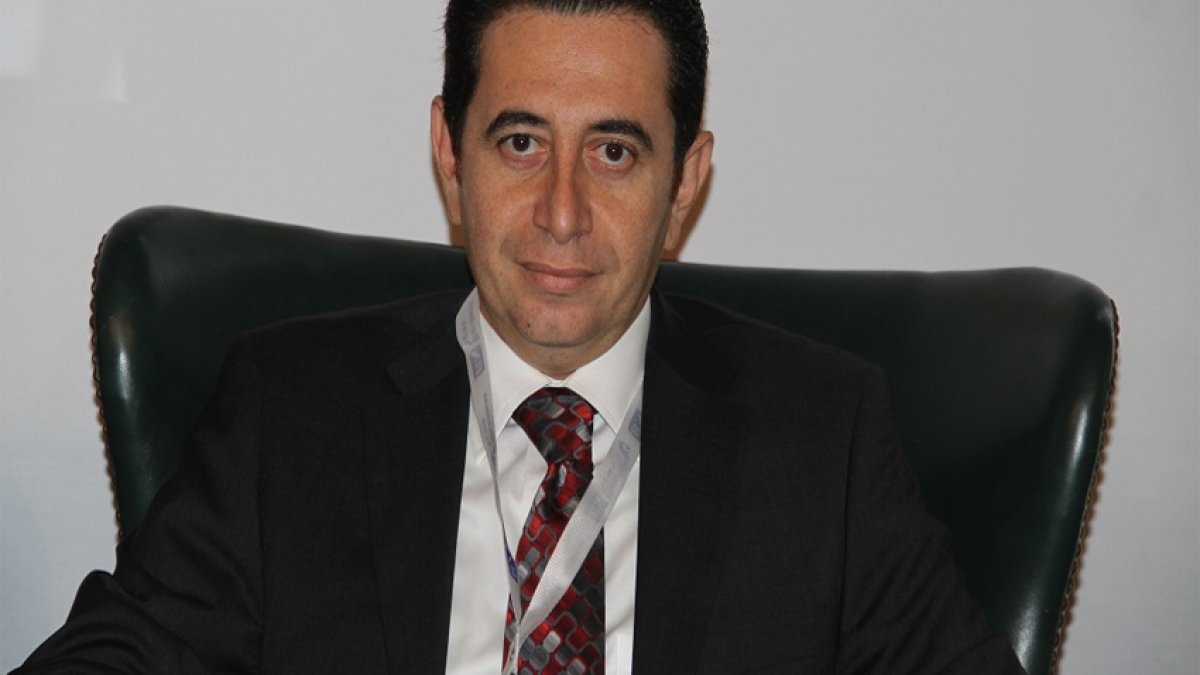
Engineer Raafat El-Khanagry, a member of the Engineering Industries Chamber at the Federation of Egyptian Industries and head of the Automotive Feeder Industries Division, confirmed that the national strategy for developing the automotive industry represents a significant turning point for the sector. He noted that it relies on incentive mechanisms aimed at increasing the percentage of local content and encouraging companies to expand their manufacturing operations within the Egyptian market.
Incentives Tied to Local Manufacturing
El-Khanagry stated that the strategy's philosophy is based on offering tiered incentives directly linked to the local manufacturing rates achieved by companies. This approach is expected to enhance industrial investments and increase the added value of the Egyptian product. He explained that companies with clear plans for expanding local manufacturing will benefit the most from the advantages provided by the state.
El-Khanagry predicted that the strategy's effects would begin to appear on the sector's performance within two to three years, whether in terms of increased production, attracting new investments, or enhancing the competitiveness of the Egyptian industry.
Legislative Framework Completed
El-Khanagry pointed out that the government has completed the majority of the legislative and regulatory framework supporting the automotive industry. He emphasized that the current phase requires accelerating the implementation of the strategy on the ground, while providing the necessary support to the Automotive Industry Unit to ensure the announced targets are met according to the specified timelines.
Exports as the Key to Growth
El-Khanagry stressed that the future of Egypt's automotive industry is closely linked to increasing exports. He explained that foreign markets represent the most viable path for absorbing production expansions and achieving sustainable growth, while the growth of the local market remains tied to changes in purchasing power and demand volume.
He added that Egypt possesses strong capabilities that qualify it to play a pivotal role in regional and global automotive supply chains, particularly in the feeder industries sector. This sector has succeeded over the past years in building an industrial base comprising companies and factories capable of producing components that meet international specifications and are approved by major global companies.
El-Khanagry also emphasized the importance of regulating car imports to achieve market balance and protect the rights of all parties.
Related News
View All News
Medhat Awad: Peugeot Combines Safety Tech and Reliability at Competitive Prices in Egypt
Medhat Awad, Managing Director of Mansco Automotive, affirmed that Peugeot cars stand out for their safety technology and reliability versus mere comfort features. He pointed to braking systems, torque, and…
Opel CEO Settles Insignia's Future: No Return Anytime Soon
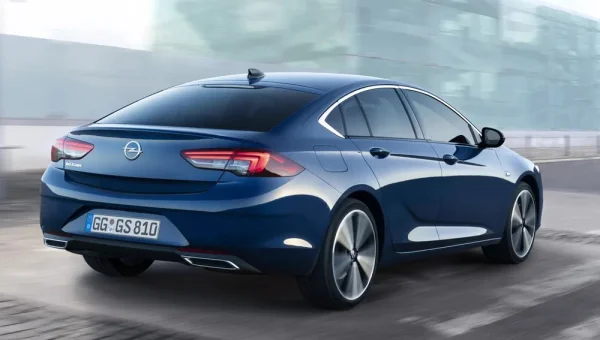
Opel CEO Florian Huettl confirmed there is no near-term project to develop a new Insignia generation. He said the car's segment has limited growth and does not justify major investment…
Opel Picks Historic Corsa Plant in Spain to Build New EV with Leapmotor
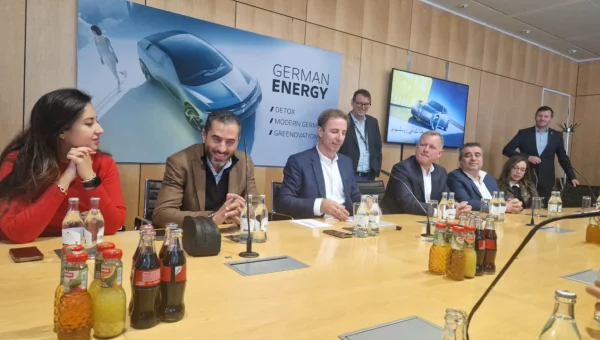
Opel has selected its Zaragoza plant in Spain to produce a new vehicle developed with China's Leapmotor, launching in 2028. The car belongs to the compact C-SUV segment and combines…
SN Automotive to Open New Branch in Alexandria, Expands Dongfeng Network Across Delta
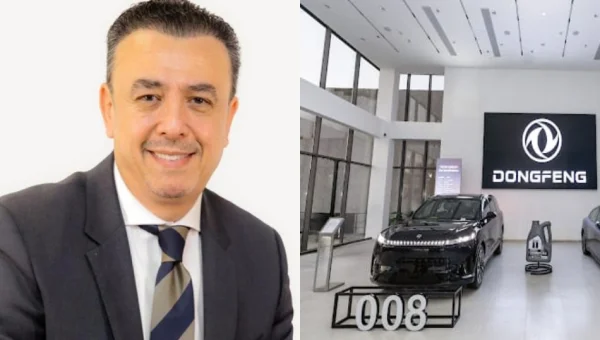
SN Automotive, the authorized agent for Chinese brand Dongfeng in Egypt, has announced plans to open a new branch in Alexandria following the recent launch of a large facility in…
Opel CEO: I've Driven an EV for 3 Years and Only Need Public Chargers Twice a Month
Florian Huettl, CEO of Opel, has revealed that he has been driving a fully electric car for three years and uses public charging stations only once or twice a month…