Honda to Cut Costs by Over $9 Billion in Four Years to Counter Chinese Competition
Japanese automaker Honda has announced an ambitious plan to cut costs by more than $9 billion (1.5 trillion yen) by 2030. The strategy aims to boost the company's competitiveness against Chinese expansion in the electric vehicle market, particularly from BYD. The plan includes reducing component costs by approximately 30% across three main categories, while urging suppliers to review purchasing methods and increase reliance on Chinese suppliers. This move represents a major shift in Honda's strategy to address growing pressures in the global supply chain.
Japanese automaker Honda has announced plans to cut costs by more than $9 billion over the next four years. The new strategy aims to strengthen the company's competitive position against the rapid expansion of Chinese car manufacturers, particularly BYD. That dominates the global electric vehicle market. Honda targets savings of approximately 1.5 trillion yen, equivalent to $9.4 billion, by 2030, according to internal documents and sources familiar with the plan.
Honda's Cost Reduction Strategy Details
Honda has demanded significant price reductions from its suppliers, setting different targets for each supplier individually. This move represents one of the most prominent attempts by Japanese automakers to counter the global competitive shift favoring Chinese manufacturers. The documents revealed that Honda aims to reduce costs of three main component categories by approximately 30%, including pressed and machined components, electrical parts, and software-defined vehicle components.
Strict Measures with Suppliers
The company has asked its first-tier suppliers to review their raw material purchasing methods and leverage standardized components offered by second and third-tier companies. The ultimate goal is clear: radically reduce production costs. Honda has also encouraged its suppliers to increase the use of components manufactured in China when possible, a shift that reflects the immense pressure facing the Japanese supply chain as a whole.
Critical Meetings with Major Suppliers
Honda executives held a meeting during spring with several major suppliers in Utsunomiya city, near the company's research and development facility. During the meeting, the cost reduction plan was presented in detail. Afterwards suppliers received specific cost-cutting targets tailored to each company. The documents also suggest that Honda may increase its reliance on Chinese suppliers, allowing it to benefit from lower component costs and improve its ability to compete with Chinese automakers in global markets.
This step comes at a time when the global automotive industry is undergoing major transformations. Japan, once a leader in car manufacturing, now faces fierce competition from China. That has invested heavily in battery technology and software. Honda recognizes that staying ahead requires a comprehensive restructuring of its supply chain. The new plan sends a clear message to all Honda suppliers worldwide: current prices are no longer acceptable. Change is necessary to keep pace with global shifts in the automotive industry.
Frequently Asked Questions
3 questions answered
Related News
View All News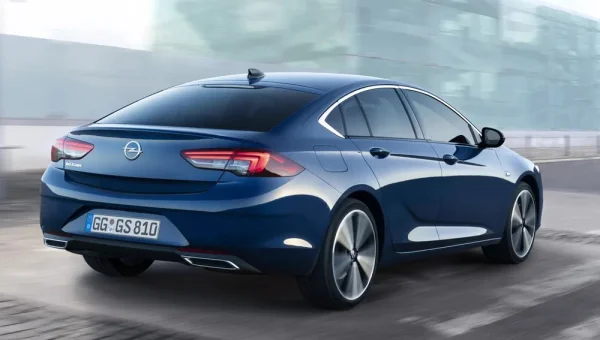
Opel CEO Settles Insignia's Future: No Return Anytime Soon
Opel CEO Florian Huettl confirmed there is no near-term project to develop a new Insignia generation. He said the car's segment has limited growth and does not justify major investment…
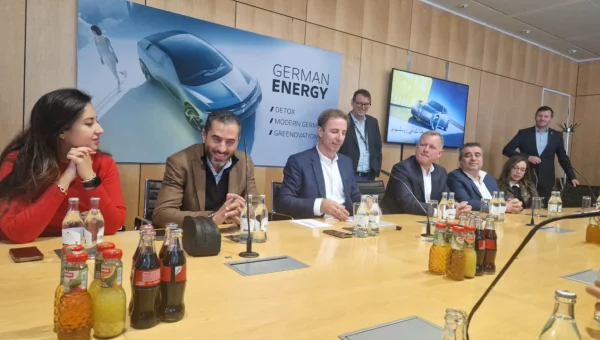
Opel Picks Historic Corsa Plant in Spain to Build New EV with Leapmotor
Opel has selected its Zaragoza plant in Spain to produce a new vehicle developed with China's Leapmotor, launching in 2028. The car belongs to the compact C-SUV segment and combines…
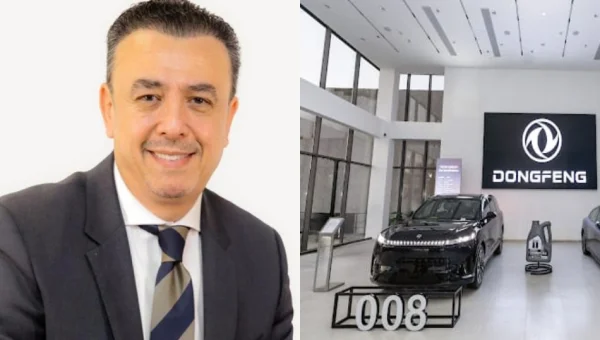
SN Automotive to Open New Branch in Alexandria, Expands Dongfeng Network Across Delta
SN Automotive, the authorized agent for Chinese brand Dongfeng in Egypt, has announced plans to open a new branch in Alexandria following the recent launch of a large facility in…

Opel CEO: I've Driven an EV for 3 Years and Only Need Public Chargers Twice a Month
Florian Huettl, CEO of Opel, has revealed that he has been driving a fully electric car for three years and uses public charging stations only once or twice a month…

Al-Safi and El-Nasr Automotive Partner to Boost Local Manufacturing
Al-Safi Group and El-Nasr Automotive Manufacturing Company have announced a new strategic partnership to boost local manufacturing in Egypt. SN Automotive, the authorized agent for Dongfeng vehicles, is preparing to…