


Stellantis Plans to Launch 17 New Models in Egypt Over 3 Years, Including Local Manufacturing
Stellantis has reaffirmed its strong commitment to the Egyptian automotive market, describing Egypt as one of the fastest-growing markets in Africa and the Middle East. The global automotive group plans to introduce 17 new models in Egypt between 2027 and 2030, spanning multiple brands under its umbrella, including Peugeot, Fiat, Opel, Citroën, Alfa Romeo, and Jeep, as well as the emerging Leapmotor brand, which is expected to enter the Egyptian market soon. This initiative reflects Stellantis' strategy to strengthen its local presence and capitalize on the rapid growth of Egypt's auto industry.
Diverse Lineup of Models
The upcoming models will cover a wide range of vehicle segments, from SUVs to hatchbacks and sedans, catering to different consumer preferences. Powertrain options will be equally diverse, including traditional gasoline engines, fully electric vehicles, hybrids, and range-extended electric vehicles (REEV). This variety underscores Stellantis' commitment to offering modern, sustainable mobility solutions while meeting the needs of Egyptian buyers looking for economy, family, or luxury cars. The inclusion of electrified models aligns with the global shift toward cleaner transportation and carbon reduction goals.
Global Partnerships Driving Expansion
On the global stage, Stellantis relies on strategic partnerships to support its expansion plans. A key collaboration is with China's Leapmotor, where Stellantis holds a 51% stake in a joint venture dedicated to selling vehicles outside China, while Leapmotor holds the remaining 49%. The group also partners with Dongfeng Motor to manufacture vehicles outside China, and with Tata Motors for production outside India. These partnerships provide Stellantis with significant flexibility in manufacturing and distribution across emerging markets, including Egypt, enabling faster entry and localization of new models.
Local Manufacturing and Long-Term Investments
Beyond new model introductions, Stellantis is actively studying the expansion of local vehicle manufacturing in Egypt. Samir Cherfan, Chief Operating Officer for Stellantis Middle East and Africa, emphasized that Egypt is one of the most important markets offering growth opportunities for the group's portfolio of brands. He confirmed plans to introduce new products in Egypt and evaluate long-term investments, with the potential to expand local production capacity. This move aims to transform Egypt into a regional hub for automotive manufacturing, supporting job creation and the development of the local auto parts industry. The group's confidence in Egypt's market potential signals a promising future for both consumers and the broader automotive ecosystem in the country.
Related News
View All News
Medhat Awad: Peugeot Combines Safety Tech and Reliability at Competitive Prices in Egypt
Medhat Awad, Managing Director of Mansco Automotive, affirmed that Peugeot cars stand out for their safety technology and reliability versus mere comfort features. He pointed to braking systems, torque, and…
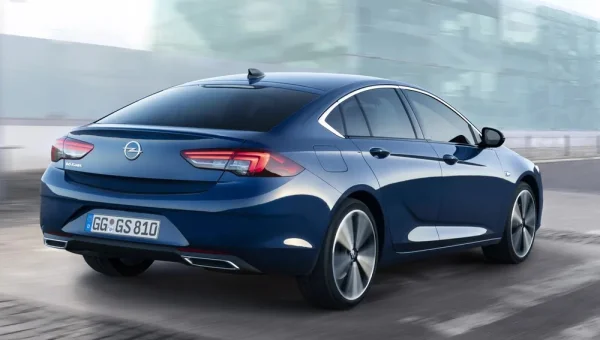
Opel CEO Settles Insignia's Future: No Return Anytime Soon
Opel CEO Florian Huettl confirmed there is no near-term project to develop a new Insignia generation. He said the car's segment has limited growth and does not justify major investment…
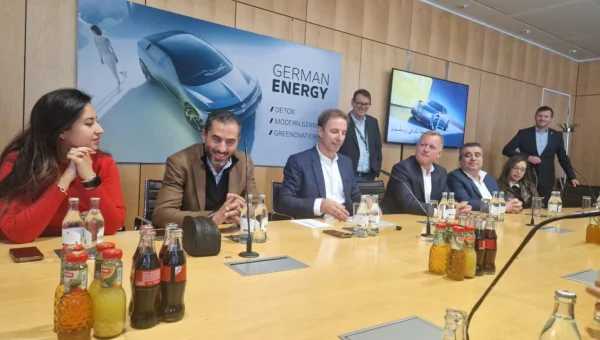
Opel Picks Historic Corsa Plant in Spain to Build New EV with Leapmotor
Opel has selected its Zaragoza plant in Spain to produce a new vehicle developed with China's Leapmotor, launching in 2028. The car belongs to the compact C-SUV segment and combines…
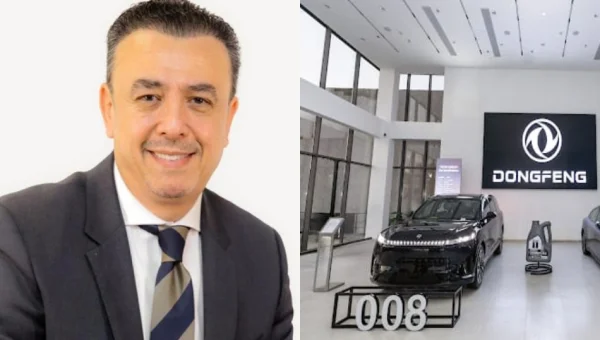
SN Automotive to Open New Branch in Alexandria, Expands Dongfeng Network Across Delta
SN Automotive, the authorized agent for Chinese brand Dongfeng in Egypt, has announced plans to open a new branch in Alexandria following the recent launch of a large facility in…
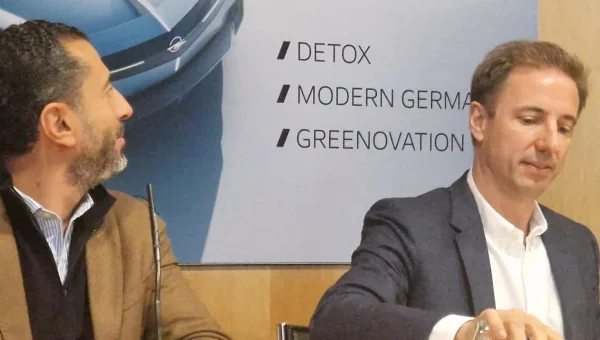
Opel CEO: I've Driven an EV for 3 Years and Only Need Public Chargers Twice a Month
Florian Huettl, CEO of Opel, has revealed that he has been driving a fully electric car for three years and uses public charging stations only once or twice a month…

