Egypt Localizes Tire Component Manufacturing with $300 Million Investment, Targeting Exports to Europe and the Americas
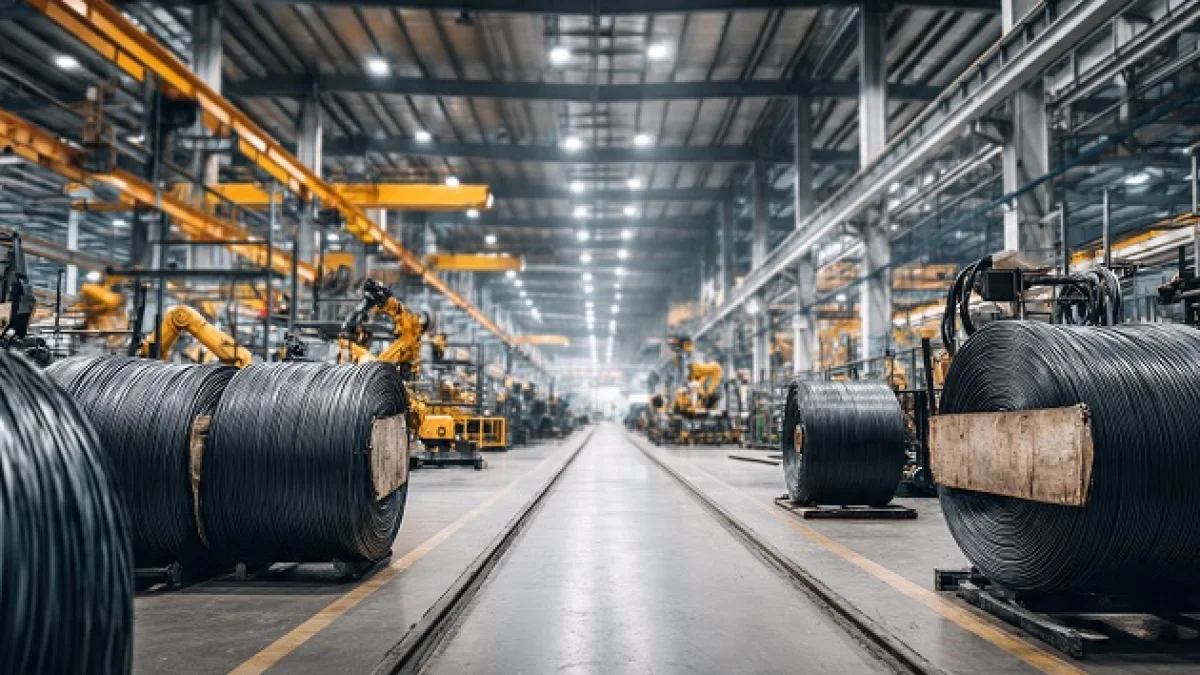
In a significant step toward deepening local manufacturing and strengthening Egypt's position as a regional hub for the automotive and feeder industries, Prime Minister Dr. Mostafa Madbouly witnessed the signing of a contract for a massive project by China's Zenith Group to produce tire components and steel wire within the Suez Canal Economic Zone. The project involves investments totaling $300 million, will create 1,000 direct jobs, and aims to export 30% of its output to global markets.
Project Details and Investment Scale
The signing ceremony took place at the Prime Minister's office in the New Administrative Capital, with the project to be implemented by Zenith Group, a subsidiary of China's Zhongtian Group, within the Chinese industrial developer TEDA-Egypt in the Sokhna Industrial Zone, under the Suez Canal Economic Zone (SCZone) authority. The event was attended by Waleid Gamal El-Dien, Chairman of the SCZone. The contract was signed by Zhu Guoquan, Executive Director and Vice President of Zhongtian Group, and Cao Hui, Managing Director of TEDA Egypt for Industrial Development.
Strategic Goals for Localization
Prime Minister Madbouly emphasized that the state continues to implement a clear strategy aimed at deepening local manufacturing and attracting investments in advanced industries, noting that the project represents a qualitative addition to the engineering industries and intermediate raw materials sector, while also revealing the growing confidence of major global companies in Egypt's investment climate. For his part, Waleid Gamal El-Dien, Chairman of the SCZone, explained that the project will be built on an area of 320,000 square meters within the Sokhna Industrial Zone.
The facility will feature advanced production lines with an annual capacity of 120,000 tons of steel cord for tire manufacturing, alongside 50,000 tons of bead wire annually, and will provide approximately 1,000 direct job opportunities. Gamal El-Dien added that the project targets exporting about 30% of its total production to markets in the Middle East, Europe, and the Americas, supporting Egypt's transformation into a regional hub for exporting advanced engineering components and enhancing its competitiveness in global markets.
The chairman pointed out that this project confirms the success of the SCZone's strategy in attracting heavy and technological industries and localizing value-added supply chains, stressing that automotive feeder industries represent one of the most important targeted sectors for deepening local manufacturing, especially given the growing demand for tire components in regional and international markets.
Related News
View All News
Medhat Awad: Peugeot Combines Safety Tech and Reliability at Competitive Prices in Egypt
Medhat Awad, Managing Director of Mansco Automotive, affirmed that Peugeot cars stand out for their safety technology and reliability versus mere comfort features. He pointed to braking systems, torque, and…
Opel CEO Settles Insignia's Future: No Return Anytime Soon
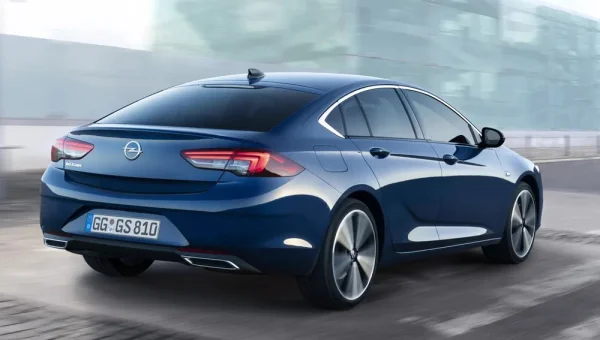
Opel CEO Florian Huettl confirmed there is no near-term project to develop a new Insignia generation. He said the car's segment has limited growth and does not justify major investment…
Opel Picks Historic Corsa Plant in Spain to Build New EV with Leapmotor
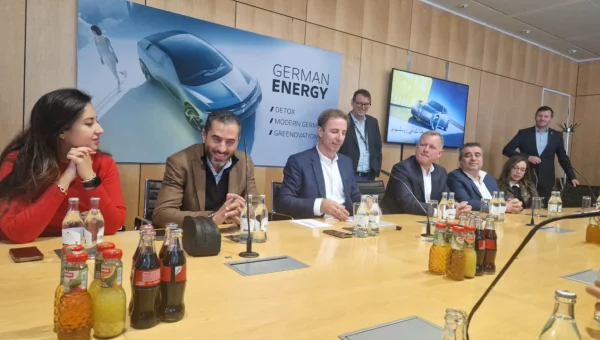
Opel has selected its Zaragoza plant in Spain to produce a new vehicle developed with China's Leapmotor, launching in 2028. The car belongs to the compact C-SUV segment and combines…
SN Automotive to Open New Branch in Alexandria, Expands Dongfeng Network Across Delta
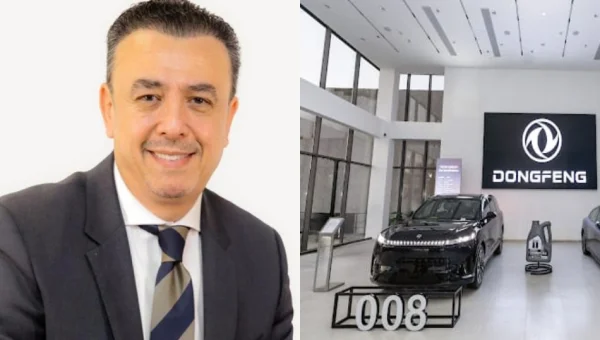
SN Automotive, the authorized agent for Chinese brand Dongfeng in Egypt, has announced plans to open a new branch in Alexandria following the recent launch of a large facility in…
Opel CEO: I've Driven an EV for 3 Years and Only Need Public Chargers Twice a Month
Florian Huettl, CEO of Opel, has revealed that he has been driving a fully electric car for three years and uses public charging stations only once or twice a month…