

White Smoke and Coolant Loss: Warning Signs of a Blown Head Gasket
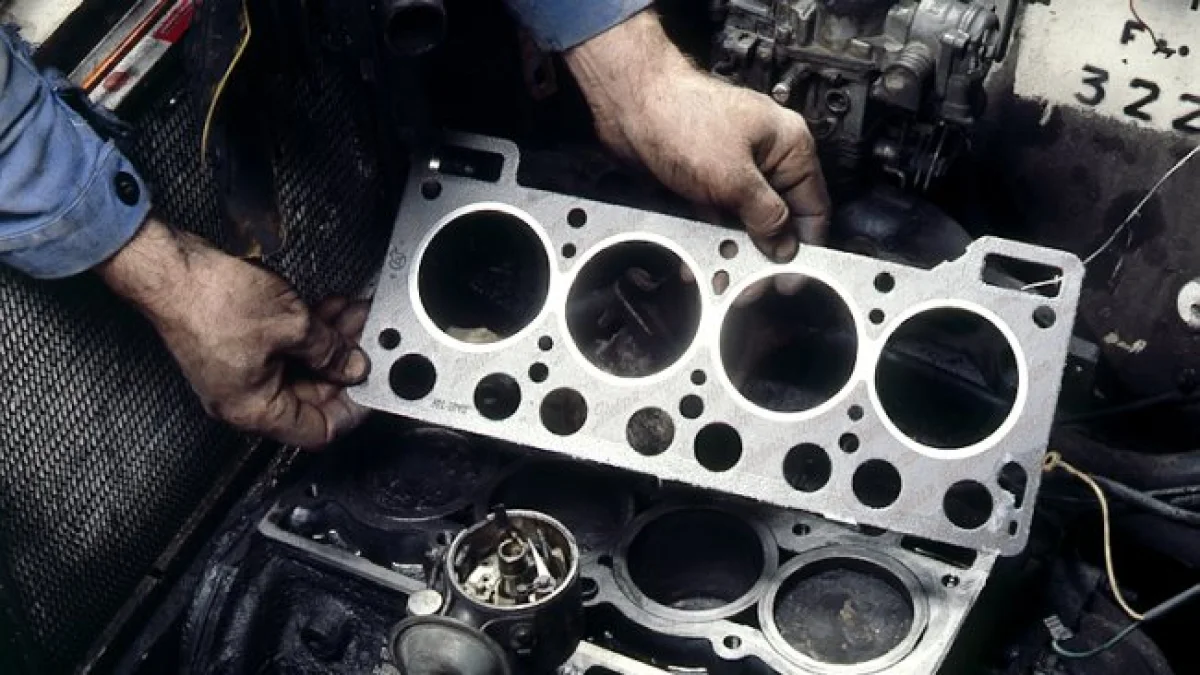
Engine overheating or a drop in coolant level may seem like minor issues that can be fixed by simply adding water or letting the engine cool down. However, when these symptoms recur, they could point to a serious problem: a blown head gasket. This is one of those mechanical failures that can quickly escalate into a costly repair if ignored. The head gasket acts as a critical seal between the engine block and the cylinder head. Its job is to maintain compression within the combustion chambers and prevent engine oil from mixing with coolant, or combustion gases from leaking into the cooling system. Once the gasket fails, the engine loses this essential internal barrier, and clear warning signs begin to appear in the vehicle's performance, temperature, and exhaust emissions.
Frequent Overheating and Unexplained Coolant Loss
The most noticeable early sign is an engine that overheats repeatedly, even when the cooling system has sufficient coolant. This symptom suggests an internal failure that prevents the cooling system from operating efficiently, often caused by combustion pressure leaking into the coolant passages or fluid mixing within the engine due to a damaged gasket. If the coolant level keeps dropping without any visible puddle under the car or obvious leaks from hoses or the radiator, the coolant may be seeping into the combustion chambers. In this case, the driver cannot see the leak directly because the fluid is being consumed inside the engine. Persistent coolant loss should never be dismissed as a trivial issue.
White Exhaust Smoke and Oil-Coolant Contamination
Thick white smoke coming from the exhaust is one of the strongest indicators of a blown head gasket. This occurs when coolant enters the combustion chamber and burns along with the air-fuel mixture. It is important to distinguish between light steam that appears on cold mornings and quickly disappears, and continuous, dense white smoke that persists while driving or after the engine warms up. Another serious warning sign is a change in engine oil color or the appearance of foam on the dipstick, or finding an oily film inside the coolant reservoir or radiator. These signs confirm that the seal between the oil passages and coolant channels has failed, which can simultaneously degrade lubrication and cooling efficiency, putting major engine components at risk of severe damage.
Loss of Power and Rough Engine Performance
Drivers may also notice a significant drop in acceleration or a sluggish throttle response as a result of combustion pressure leaking through the failed gasket. This leak reduces the force transmitted to the pistons, directly impacting engine performance and causing it to run inefficiently. Unusual engine vibrations at idle or during acceleration are additional indicators of an internal problem that requires immediate inspection. If any of these symptoms appear, it is strongly recommended to visit a specialized repair shop for accurate diagnosis. Ignoring a blown head gasket can lead to permanent engine damage, potentially requiring a complete engine replacement.
Related News
View All News
3 Valves That Protect Your Gas-Converted Car From Leaks and Overpressure
Specialists at Gastec explained that the natural gas conversion system relies on 3 main valves. The gas solenoid prevents flow when the engine stops, the filling valve secures refueling and…

NVIDIA Launches Halos SAFE Framework to Test Autonomous Driving Safety Before Trust
NVIDIA announced on October 21, 2026, the Halos SAFE framework to evaluate autonomous driving safety by combining virtual simulation, real-world testing, and fleet data analysis. The framework aims to produce…

Rivian Acquires Third Dimension AI to Accelerate Self-Driving Development
Rivian has acquired UK-based Third Dimension AI, a startup that uses AI to turn images and video into controllable 3D environments. The technology allows engineers to simulate rare and dangerous…

Agentic AI Set to Dominate Automotive Engineering: 68% of Carmakers Target Expansion Within 3 Years
A Capgemini Research Institute report reveals that 68% of automotive companies aim to increase reliance on agentic AI for non-core engineering activities to 68% within two to three years, up…

68% of Carmakers Adopt Agentic AI in Vehicle Development, Capgemini Report Finds
A Capgemini Research Institute report found that 68% of automotive companies are using or testing agentic AI in product development, with 33% in active use and 35% in pilot phases.…

