


Does White Paint Really Save Fuel in Summer? A Study Explains
When choosing a new car, color is often a matter of personal taste and style. However, few buyers realize that the exterior shade can have a measurable impact on fuel efficiency, especially during hot summer months. According to recent studies, lighter colors, particularly white, offer practical benefits that go beyond aesthetics.
The science is straightforward: white surfaces reflect a higher percentage of sunlight compared to dark colors, which absorb heat. This means the car's body and interior cabin stay cooler when parked under direct sunlight. As a result, the air conditioning system does not have to work as hard to cool the vehicle down, reducing energy consumption.
What the Research Says
A study conducted by the Lawrence Berkeley National Laboratory's Environmental Energy Technologies Division found that using light-colored and reflective surfaces can improve fuel economy by approximately 1 to 2%. This improvement stems from the reduced load on the air conditioning system. While this percentage may seem modest, it accumulates over time, especially for drivers in hot climates.
How It Affects the Engine and AC
In most conventional cars, the air conditioning compressor is driven by the engine. Therefore, any reduction in AC usage directly translates to lower fuel consumption. The study further indicates that reducing heat absorption could allow for 13% less powerful air conditioning systems while maintaining the same cooling level. This is a significant efficiency gain over the vehicle's lifetime.
It is well established that operating the air conditioner can increase fuel consumption by 5 to 20%, depending on the car model, outside temperature, and AC system efficiency. By keeping the cabin cooler from the start, a white car reduces the need for maximum AC output, thereby lowering this fuel penalty.
Is White a Smart Choice?
While a white car will not drastically cut your fuel bills, it offers a modest, consistent advantage in hot weather. Beyond personal preference, the color of your vehicle has become a practical consideration for efficiency. Whether you are looking at a Toyota, Hyundai, or Kia, choosing a light color may be a clever move for summer driving.
Related News
View All News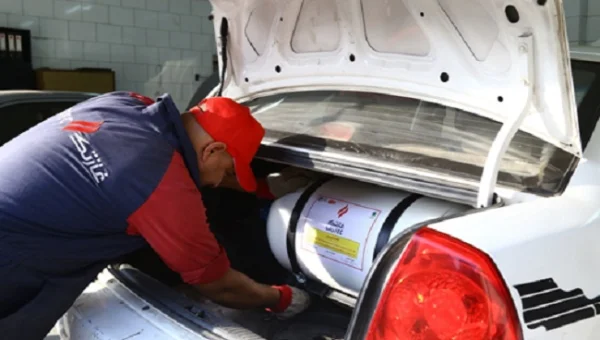
3 Valves That Protect Your Gas-Converted Car From Leaks and Overpressure
Specialists at Gastec explained that the natural gas conversion system relies on 3 main valves. The gas solenoid prevents flow when the engine stops, the filling valve secures refueling and…

NVIDIA Launches Halos SAFE Framework to Test Autonomous Driving Safety Before Trust
NVIDIA announced on October 21, 2026, the Halos SAFE framework to evaluate autonomous driving safety by combining virtual simulation, real-world testing, and fleet data analysis. The framework aims to produce…
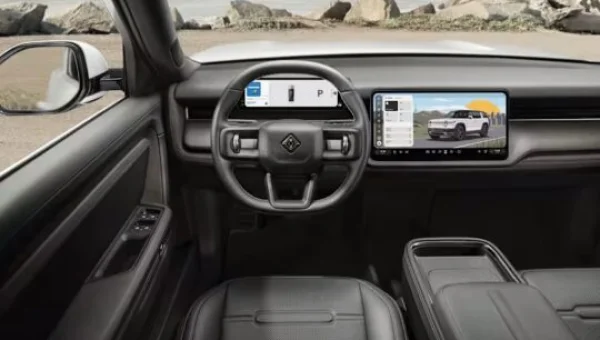
Rivian Acquires Third Dimension AI to Accelerate Self-Driving Development
Rivian has acquired UK-based Third Dimension AI, a startup that uses AI to turn images and video into controllable 3D environments. The technology allows engineers to simulate rare and dangerous…

Agentic AI Set to Dominate Automotive Engineering: 68% of Carmakers Target Expansion Within 3 Years
A Capgemini Research Institute report reveals that 68% of automotive companies aim to increase reliance on agentic AI for non-core engineering activities to 68% within two to three years, up…
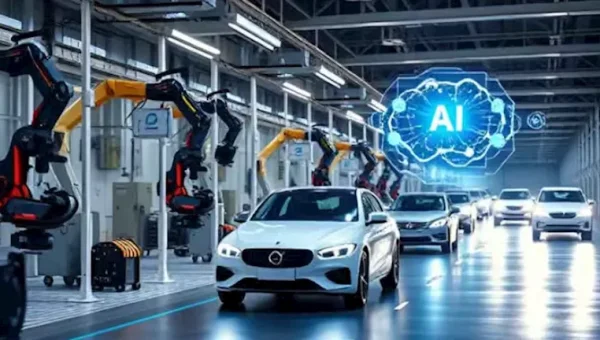
68% of Carmakers Adopt Agentic AI in Vehicle Development, Capgemini Report Finds
A Capgemini Research Institute report found that 68% of automotive companies are using or testing agentic AI in product development, with 33% in active use and 35% in pilot phases.…

