

Why Rotating Your Front and Rear Tires Extends Their Life by 25%
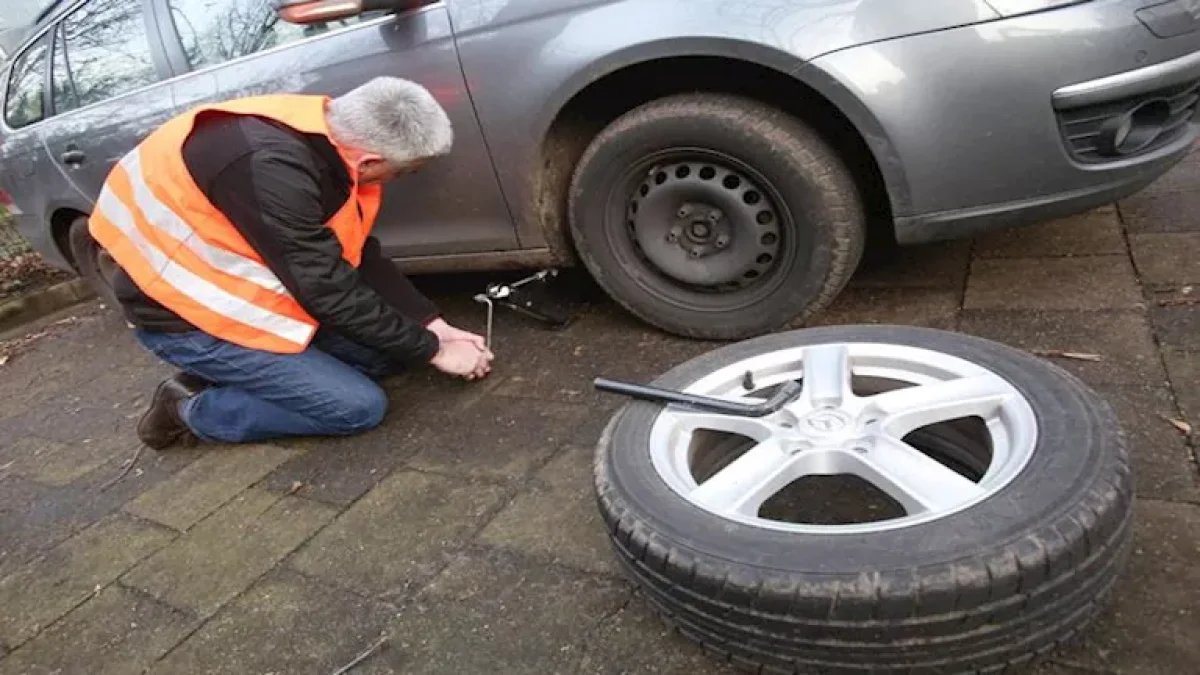
Automotive experts recommend rotating front and rear tires regularly to ensure even wear and extend lifespan by up to 25%. Front tires wear faster due to engine weight, braking force, and cornering stress. Regular rotation improves stability on slippery roads and saves the cost of premature tire replacement.
Swapping front and rear tires regularly can add up to 25% to their lifespan. This simple habit relieves constant pressure on the front axle and ensures even wear across all four wheels. Tires—despite being critical—are often ignored until damage appears.
Why Front Tires on Toyota Cars Wear Faster
The first reason is purely mechanical. The engine sits at the front in most vehicles, meaning front tires carry heavy weight at all times. During cornering and turns, these tires face extra lateral forces that increase friction with the road. Even braking—a safety necessity—concentrates most of its force on the front axle, pressing down on front tires relentlessly. The result? Uneven wear that shows clearly in tread depth.
Benefits of Tire Rotation: Longer Safety and Financial Savings
Rotating tires isn't a luxury. It's a small investment that saves significant money later. When you swap front and rear tires according to a regular schedule, wear distributes evenly across all four wheels. This prevents large differences in tread depth between front and rear—a dangerous disparity on wet roads that can cause skidding. More importantly, even distribution extends tire lifespan by up to 25%, delaying the need for a new set.
A car like the Hyundai Elantra or Kia Cerato—among Egypt's most common models—benefits directly from this simple maintenance. Front tires on these cars bear double the load due to daily city driving. Neglecting rotation means replacing front tires twice before the rear ones need changing. Question: how often do you check your tread depth?
When Should You Rotate?
No strict rule exists, but most manufacturers recommend rotating tires every 8,000 to 10,000 kilometers. Some drivers forget entirely. When buying new tires, ask the technician to rotate them at your first periodic service. Remember that a car like the Nissan Sunny or Toyota Corolla is no different in this regard. Regular rotation maintains braking performance and protects the suspension from unbalanced stress.
Rotation costs little compared to buying new tires. Tire prices in Egypt have risen in recent years, making lifespan extension a smart financial decision. If you drive a Mitsubishi or Chery, this advice applies to you directly. Regular rotation isn't a minor detail—it's the difference between safe, economical driving and risky, costly ownership.
Frequently Asked Questions
3 questions answered
Related News
View All News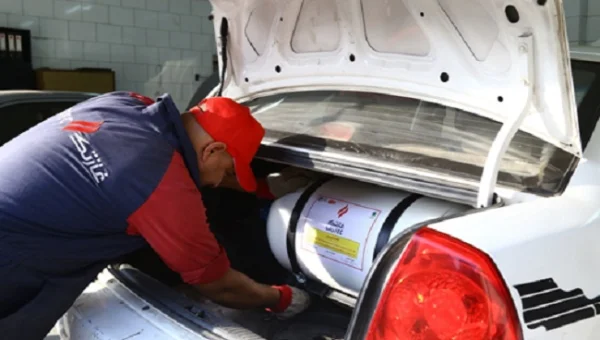
3 Valves That Protect Your Gas-Converted Car From Leaks and Overpressure
Specialists at Gastec explained that the natural gas conversion system relies on 3 main valves. The gas solenoid prevents flow when the engine stops, the filling valve secures refueling and…

NVIDIA Launches Halos SAFE Framework to Test Autonomous Driving Safety Before Trust
NVIDIA announced on October 21, 2026, the Halos SAFE framework to evaluate autonomous driving safety by combining virtual simulation, real-world testing, and fleet data analysis. The framework aims to produce…

Rivian Acquires Third Dimension AI to Accelerate Self-Driving Development
Rivian has acquired UK-based Third Dimension AI, a startup that uses AI to turn images and video into controllable 3D environments. The technology allows engineers to simulate rare and dangerous…

Agentic AI Set to Dominate Automotive Engineering: 68% of Carmakers Target Expansion Within 3 Years
A Capgemini Research Institute report reveals that 68% of automotive companies aim to increase reliance on agentic AI for non-core engineering activities to 68% within two to three years, up…

68% of Carmakers Adopt Agentic AI in Vehicle Development, Capgemini Report Finds
A Capgemini Research Institute report found that 68% of automotive companies are using or testing agentic AI in product development, with 33% in active use and 35% in pilot phases.…

