

Radiator Maintenance and Cooling Hose Checks Help Protect the Engine During Heatwaves
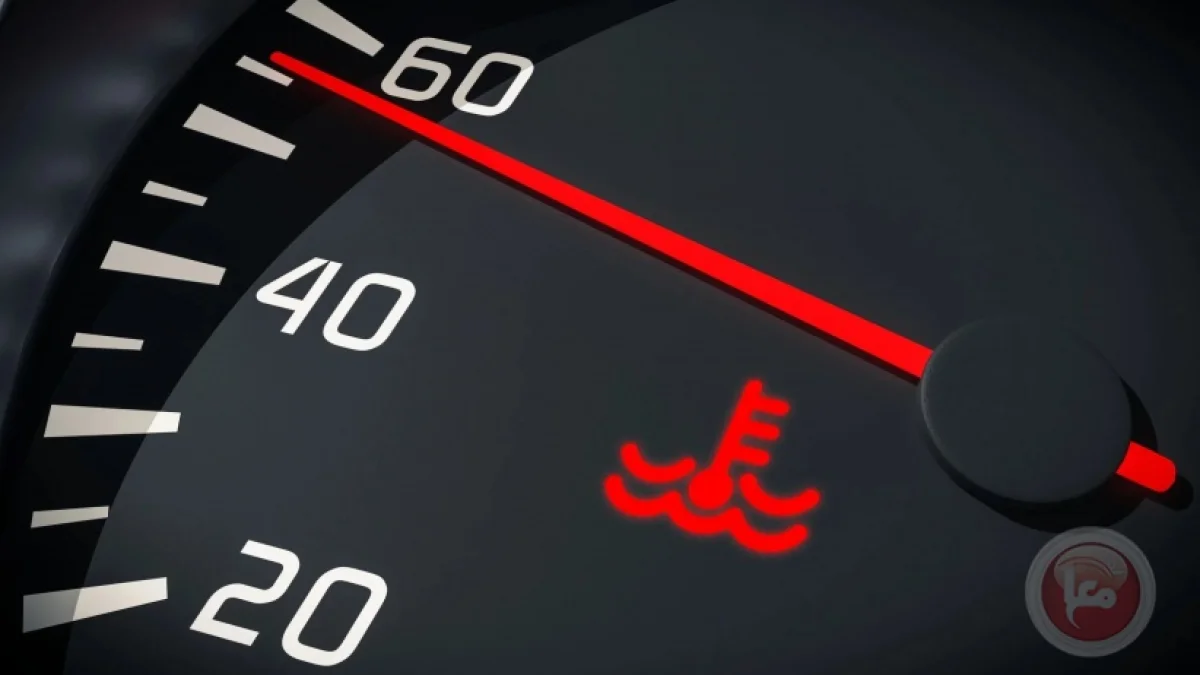
Extreme heat puts every cooling system under pressure. As temperatures climb, the load on a vehicle's cooling system increases, leaving many drivers concerned about the temperature warning light appearing without notice, a situation that can result in an unexpected roadside breakdown if the cooling system isn't inspected and maintained before warning signs begin to appear. Prevention matters.
How a Blocked Radiator Raises Engine Temperature
What causes the problem? According to Hamada El Safty, a vehicle service center manager, a clogged radiator is one of the leading reasons behind elevated Subaru engine temperature, as accumulated deposits and impurities reduce the radiator's ability to dissipate heat efficiently, with the issue becoming even more noticeable during intense heatwaves when the cooling system is placed under greater stress. The explanation is straightforward.
Routine Cooling System Service Makes the Difference
The impact is significant. Any blockage inside the radiator reduces its cooling performance, allowing engine temperature to rise, making routine radiator maintenance an essential step in preventing the problem, including cleaning the cooling circuit and checking the radiator core to restore cooling efficiency and maintain stable engine temperature even during periods of extreme heat. Regular service helps.
On long drives the importance of preventive inspection becomes even clearer, as El Safty stresses the need to examine radiator hoses and connections, verify that there are no coolant leaks, and avoid ignoring any unusual indication related to engine temperature, explaining that consistent maintenance and regular inspection of the cooling system help extend engine service life and reduce the risk of unexpected mechanical failures during periods of exceptionally high temperatures. Small checks matter.
Related News
View All News
3 Valves That Protect Your Gas-Converted Car From Leaks and Overpressure
Specialists at Gastec explained that the natural gas conversion system relies on 3 main valves. The gas solenoid prevents flow when the engine stops, the filling valve secures refueling and…

NVIDIA Launches Halos SAFE Framework to Test Autonomous Driving Safety Before Trust
NVIDIA announced on October 21, 2026, the Halos SAFE framework to evaluate autonomous driving safety by combining virtual simulation, real-world testing, and fleet data analysis. The framework aims to produce…

Rivian Acquires Third Dimension AI to Accelerate Self-Driving Development
Rivian has acquired UK-based Third Dimension AI, a startup that uses AI to turn images and video into controllable 3D environments. The technology allows engineers to simulate rare and dangerous…

Agentic AI Set to Dominate Automotive Engineering: 68% of Carmakers Target Expansion Within 3 Years
A Capgemini Research Institute report reveals that 68% of automotive companies aim to increase reliance on agentic AI for non-core engineering activities to 68% within two to three years, up…

68% of Carmakers Adopt Agentic AI in Vehicle Development, Capgemini Report Finds
A Capgemini Research Institute report found that 68% of automotive companies are using or testing agentic AI in product development, with 33% in active use and 35% in pilot phases.…

