


Radiator Cap: The Affordable Part That Helps Keep Your Car Engine Cool During Summer Heat
As temperatures rise during the summer months, car engines are exposed to greater thermal stress, increasing the likelihood of unexpected mechanical problems that can result in expensive repair bills. While many drivers pay close attention to the coolant level, a small component that costs around EGP 100 is often overlooked despite playing a vital role in maintaining the efficiency of the engine cooling system and helping prevent excessive engine temperatures.
The Role of the Radiator Cap in the Cooling System
The radiator cap is one of the key components of a vehicle's cooling system. Its primary function is to help maintain cooling efficiency while preventing coolant from escaping during vehicle operation. By supporting the proper operation of the cooling circuit, the radiator cap contributes to keeping the engine operating within its intended temperature range, particularly during hot weather and extended driving conditions.
How a Faulty Radiator Cap Affects Engine Temperature
If the radiator cap becomes damaged or loses its effectiveness, coolant may leak or evaporate, directly reducing the cooling system's ability to regulate engine temperature. This issue becomes more noticeable during long-distance driving, heavy traffic, or periods of extreme heat, when the engine is subjected to greater thermal loads and efficient cooling becomes even more critical.
Using the Correct Radiator Cap
One of the most common mistakes made when replacing a radiator cap is purchasing a part that is not designed for the specific vehicle. Every car is equipped with a radiator cap that matches the specifications of its cooling system, and using an incorrect replacement may negatively affect overall cooling performance even if the part is brand new.
Routine Inspection Helps Prevent Costly Repairs
Regular inspection of the entire cooling system can help identify potential issues before they develop into more serious mechanical failures. It is recommended to check the condition of the radiator cap periodically and replace it immediately if any signs of wear or damage appear. Using genuine replacement parts that match the vehicle's specifications is also recommended, especially during the summer season, to reduce thermal stress on the engine, maintain cooling system efficiency, and minimize the risk of unexpected breakdowns while driving.
Related News
View All News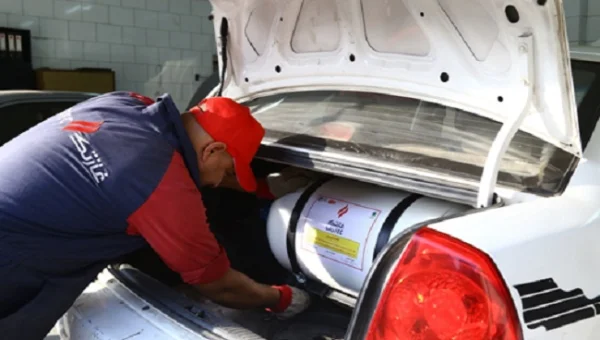
3 Valves That Protect Your Gas-Converted Car From Leaks and Overpressure
Specialists at Gastec explained that the natural gas conversion system relies on 3 main valves. The gas solenoid prevents flow when the engine stops, the filling valve secures refueling and…

NVIDIA Launches Halos SAFE Framework to Test Autonomous Driving Safety Before Trust
NVIDIA announced on October 21, 2026, the Halos SAFE framework to evaluate autonomous driving safety by combining virtual simulation, real-world testing, and fleet data analysis. The framework aims to produce…

Rivian Acquires Third Dimension AI to Accelerate Self-Driving Development
Rivian has acquired UK-based Third Dimension AI, a startup that uses AI to turn images and video into controllable 3D environments. The technology allows engineers to simulate rare and dangerous…

Agentic AI Set to Dominate Automotive Engineering: 68% of Carmakers Target Expansion Within 3 Years
A Capgemini Research Institute report reveals that 68% of automotive companies aim to increase reliance on agentic AI for non-core engineering activities to 68% within two to three years, up…

68% of Carmakers Adopt Agentic AI in Vehicle Development, Capgemini Report Finds
A Capgemini Research Institute report found that 68% of automotive companies are using or testing agentic AI in product development, with 33% in active use and 35% in pilot phases.…

