


How to Protect Your Car's Paint from Summer Heat Damage
As temperatures rise during the summer months and trips to coastal cities and beaches increase, cars face significant stress from strong sunlight, humidity, and salt particles in coastal environments. The impact of hot weather is not limited to driver and passenger comfort; it also extends to the car's paint, which can gradually lose its shine or suffer damage and cracking if not properly maintained.
Why Car Paint Suffers in Summer
Car paint is one of the most vulnerable components to weather conditions, especially with continuous exposure to ultraviolet rays, dust, and light rain carrying impurities. High temperatures and direct sunlight accelerate the deterioration of the protective outer layer of paint. Salt found in coastal areas can also weaken paint layers over time. Key factors threatening car paint include prolonged direct sunlight, humidity and salt in coastal cities, airborne dust and sand, bird droppings and insects, and the use of cleaning products not designed for automotive surfaces.
Tips for Maintaining Car Paint During Summer
To extend the life of your paint and preserve your car's appearance, follow these guidelines: Remove any dirt or stuck-on materials using water pressure rather than scraping or aggressive rubbing. Park in shaded areas whenever possible to minimize direct sun exposure. Avoid leaving the car wet for long periods after washing. Use only sprays and cleaning products specifically designed for car surfaces. Remove bird droppings and insect residue immediately to prevent chemical reactions with the paint. Cover the car when parked for extended periods, especially in coastal areas near the sea.
Wash the car regularly to remove accumulated dust and salt. Use a high-quality car cover to protect the exterior body. Apply protective layers such as nano-ceramic coatings or clear paint protection films (PPF) to help reduce the impact of weather factors. Use dedicated polishing and protection products according to manufacturer instructions. Avoid using dish soap or laundry detergents when cleaning the car, as they can negatively affect the protective paint layer and cause color fading over time.
Related News
View All News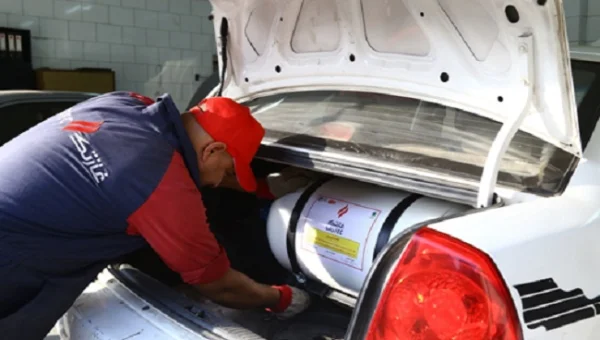
3 Valves That Protect Your Gas-Converted Car From Leaks and Overpressure
Specialists at Gastec explained that the natural gas conversion system relies on 3 main valves. The gas solenoid prevents flow when the engine stops, the filling valve secures refueling and…

NVIDIA Launches Halos SAFE Framework to Test Autonomous Driving Safety Before Trust
NVIDIA announced on October 21, 2026, the Halos SAFE framework to evaluate autonomous driving safety by combining virtual simulation, real-world testing, and fleet data analysis. The framework aims to produce…
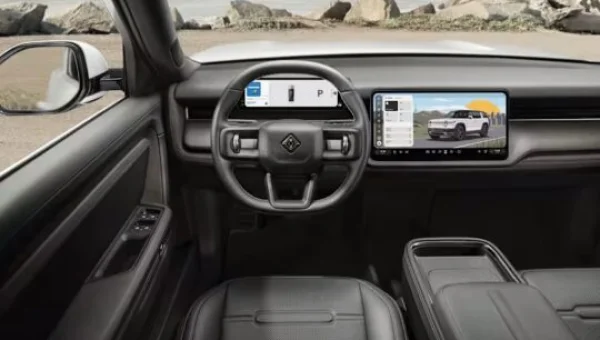
Rivian Acquires Third Dimension AI to Accelerate Self-Driving Development
Rivian has acquired UK-based Third Dimension AI, a startup that uses AI to turn images and video into controllable 3D environments. The technology allows engineers to simulate rare and dangerous…

Agentic AI Set to Dominate Automotive Engineering: 68% of Carmakers Target Expansion Within 3 Years
A Capgemini Research Institute report reveals that 68% of automotive companies aim to increase reliance on agentic AI for non-core engineering activities to 68% within two to three years, up…

68% of Carmakers Adopt Agentic AI in Vehicle Development, Capgemini Report Finds
A Capgemini Research Institute report found that 68% of automotive companies are using or testing agentic AI in product development, with 33% in active use and 35% in pilot phases.…

