

Peugeot Unveils RCZ Vision Concept with Square Steering Wheel
Peugeot has unveiled the RCZ Vision concept car featuring the Hypersquare® steering system with a square wheel and Steer-by-Wire technology. The system eliminates mechanical linkages and offers a maximum steering angle of less than one full turn instead of three turns in conventional wheels. The production version will debut in the next-generation Peugeot E-208 electric vehicle.
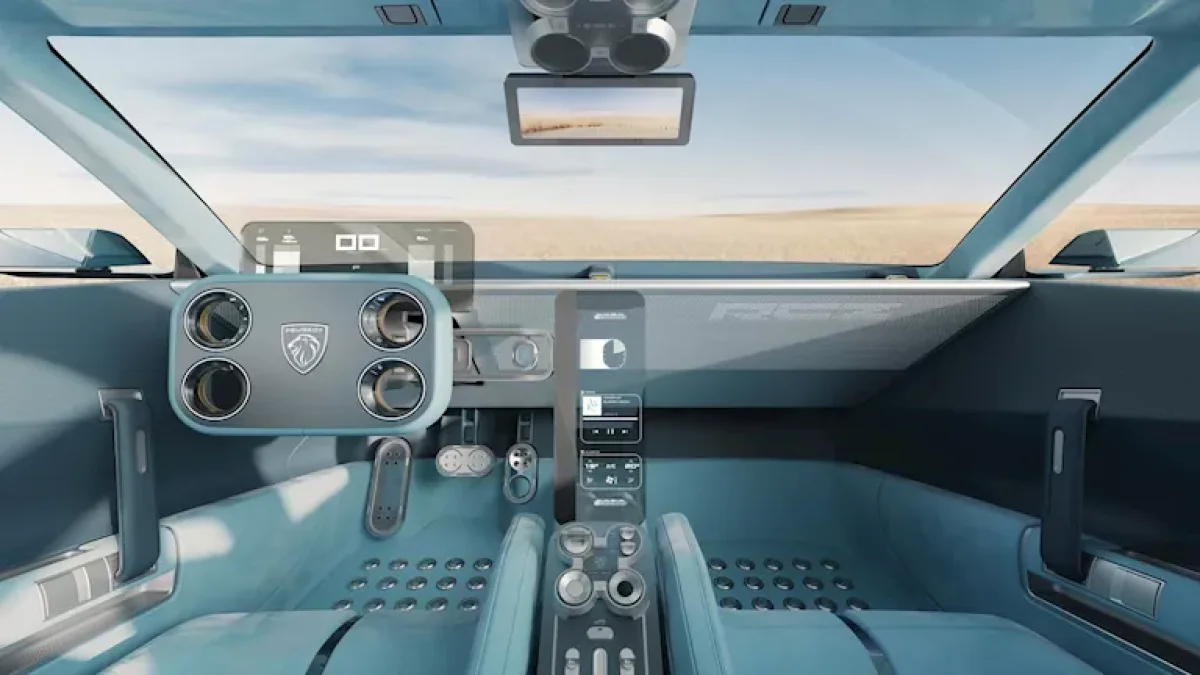
Peugeot has unveiled its RCZ Vision concept car, reviving the name of the sporty RCZ model produced between 2009 and 2015. The concept showcases the Hypersquare® steering system with a square-shaped wheel — a radical departure from conventional driving controls. The design blends sporty lines with electric technology and fully digital systems.
Hypersquare® System: Full Electronic Steering
The Hypersquare® system relies on Steer-by-Wire technology that eliminates mechanical linkages between the steering unit and the wheels. Instead, an electronic control system manages the entire steering process. The control unit features four integrated rings that allow the driver to access key functions with fingertips without changing hand position. This design aims to reduce movement required while driving and increase focus on the road.
What does this system deliver in real-world driving? At low speeds, the technology adjusts the steering ratio to ease maneuvers, with a maximum steering angle slightly less than a full turn. By contrast, a conventional steering wheel requires about three full turns to achieve the same angle. At high speeds, steering response changes automatically to provide smoother and more stable control. The system also reduces vibrations transmitted from road surface imperfections — a problem that plagues sports car drivers on rough roads.
Next-Generation PEUGEOT i-Cockpit® Interior
Alongside the steering system, Peugeot is showcasing the next generation of its PEUGEOT i-Cockpit® interior inside the RCZ Vision. The cabin combines advanced digital systems with sporty design, reflecting the French brand's direction toward intelligent electric vehicles. The interior looks like it came from a distant future — but it's actually a prototype for cars that will reach production soon.
The production version of the Hypersquare® system will debut in the next generation of the Peugeot 208 electric vehicle. This means the technology won't remain confined to concept cars but will enter the production line within a few years. Peugeot is steadily moving toward redefining the driving experience — from how the wheel is held to how the car responds to driver inputs.
The RCZ Vision concept isn't just a show car. It's a statement of intent from Peugeot about the future of electronic steering and digital driving. The question remains: will drivers accept giving up the traditional round steering wheel? The answer will become clear when the first production car equipped with Hypersquare® hits the road.
Frequently Asked Questions
3 questions answered
Related News
View All News
3 Valves That Protect Your Gas-Converted Car From Leaks and Overpressure
Specialists at Gastec explained that the natural gas conversion system relies on 3 main valves. The gas solenoid prevents flow when the engine stops, the filling valve secures refueling and…

NVIDIA Launches Halos SAFE Framework to Test Autonomous Driving Safety Before Trust
NVIDIA announced on October 21, 2026, the Halos SAFE framework to evaluate autonomous driving safety by combining virtual simulation, real-world testing, and fleet data analysis. The framework aims to produce…

Rivian Acquires Third Dimension AI to Accelerate Self-Driving Development
Rivian has acquired UK-based Third Dimension AI, a startup that uses AI to turn images and video into controllable 3D environments. The technology allows engineers to simulate rare and dangerous…

Agentic AI Set to Dominate Automotive Engineering: 68% of Carmakers Target Expansion Within 3 Years
A Capgemini Research Institute report reveals that 68% of automotive companies aim to increase reliance on agentic AI for non-core engineering activities to 68% within two to three years, up…

68% of Carmakers Adopt Agentic AI in Vehicle Development, Capgemini Report Finds
A Capgemini Research Institute report found that 68% of automotive companies are using or testing agentic AI in product development, with 33% in active use and 35% in pilot phases.…

