

Not Fully Electric: What Does the PHEV Badge on Some Cars Really Mean?
PHEV cars are plug-in hybrids that combine a petrol engine with an electric motor and a larger battery than traditional hybrids. They can drive on electricity for a set distance before the fuel engine takes over, offering more flexibility than pure electric vehicles. But fuel savings are not guaranteed if the battery is not charged regularly. In the Egyptian market, PHEV can be a practical choice for those wanting electric driving without range anxiety.
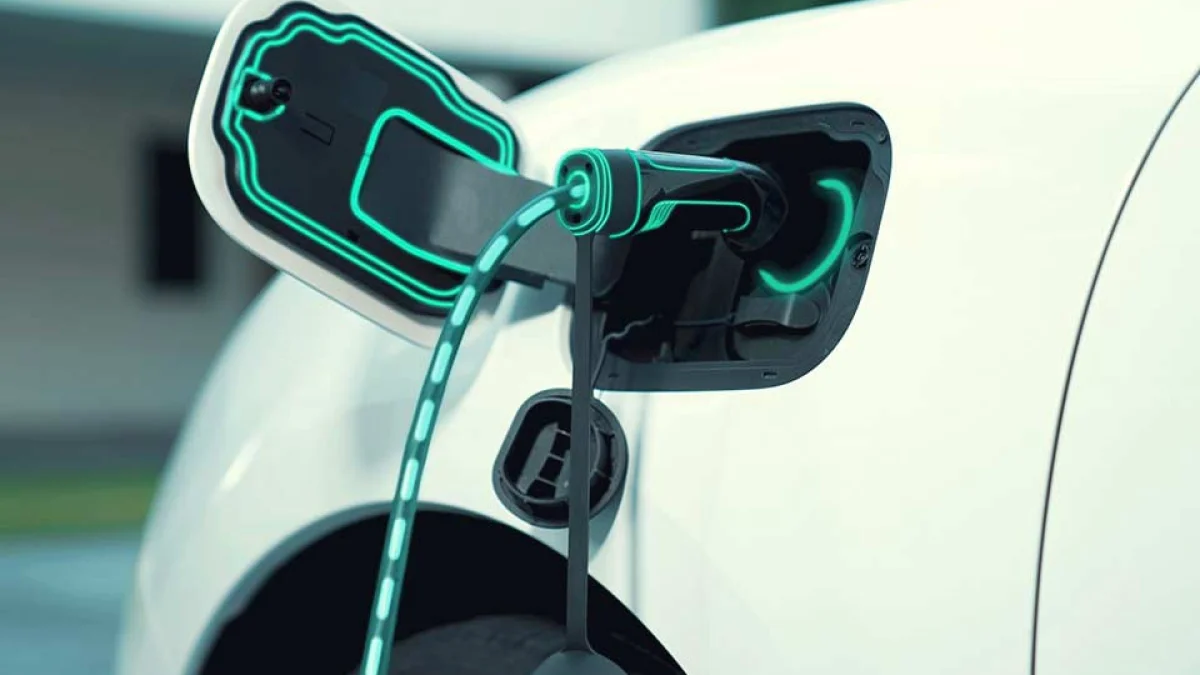
The PHEV badge is showing up more often on new models, including those listed in Toyota prices and other brands, but it doesn't mean the car is fully electric. PHEV stands for Plug-in Hybrid Electric Vehicle — a car that combines a petrol or diesel engine with an electric motor and a battery that can be charged from an external power source.
How Do PHEV Cars Work?
The car can drive on electricity alone for a set distance that depends on battery capacity. Once the charge drops, the internal combustion engine kicks in, either on its own or alongside the electric motor. This means the car doesn't rely entirely on a charging station like pure electric vehicles, nor does it depend solely on the petrol engine like a conventional car.
How PHEV Differs from HEV and EV
A traditional hybrid HEV also has a petrol engine and an electric motor, but it doesn't need to be plugged into an external charger in normal use because the battery charges while driving through the engine and regenerative braking. PHEV, by contrast, usually has a larger battery and can be charged at home or at a charging station, allowing it to cover a longer distance on electricity alone. A full electric vehicle EV or BEV has no internal combustion engine at all and relies entirely on the battery and electric motors. PHEV keeps a petrol engine alongside the electric system, so the journey can continue even after the electric charge runs out as long as there is fuel in the tank.
Why Some Drivers Choose PHEV
The main advantage is combining daily electric use with the ability to travel long distances without depending entirely on the charging network. If daily trips are short and the car is charged regularly, a large portion of them can be done on electricity only, while the petrol engine handles longer journeys. But does it always save fuel? Not necessarily. If the battery isn't charged regularly or trips are long, the petrol engine may consume more fuel than expected, especially with the added weight of the battery and electric system.
Is PHEV Right for the Egyptian Market?
In Egypt, where charging stations are still spreading slowly in some areas, PHEV can be a practical option for someone who wants to experience electric driving without worrying about range. Still, it isn't the perfect solution for everyone. The real benefit depends on daily driving patterns and having a home charging source. A pure electric car might be better for those who only drive short distances, while a traditional hybrid remains easier to live with for anyone who doesn't want the hassle of external charging.
Frequently Asked Questions
3 questions answered
Related News
View All News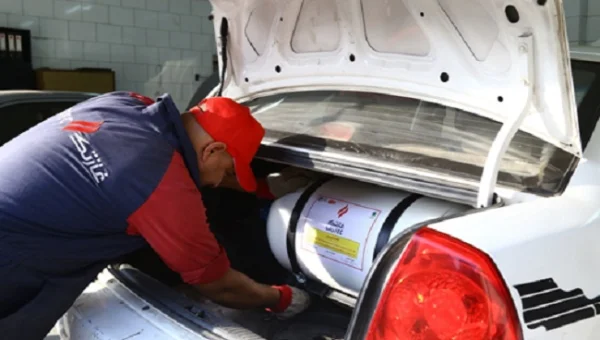
3 Valves That Protect Your Gas-Converted Car From Leaks and Overpressure
Specialists at Gastec explained that the natural gas conversion system relies on 3 main valves. The gas solenoid prevents flow when the engine stops, the filling valve secures refueling and…
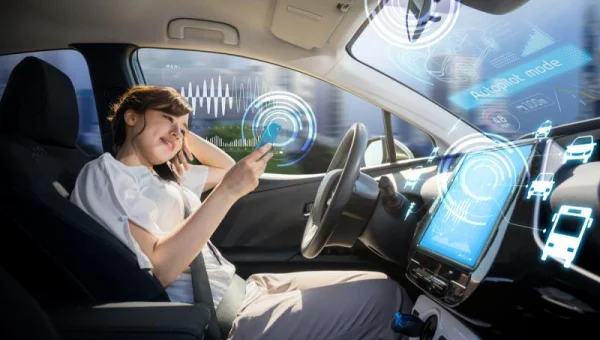
NVIDIA Launches Halos SAFE Framework to Test Autonomous Driving Safety Before Trust
NVIDIA announced on October 21, 2026, the Halos SAFE framework to evaluate autonomous driving safety by combining virtual simulation, real-world testing, and fleet data analysis. The framework aims to produce…
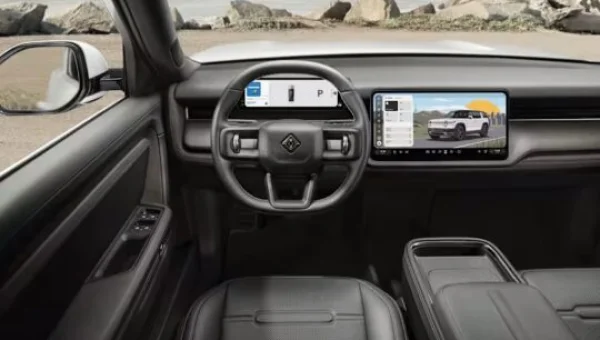
Rivian Acquires Third Dimension AI to Accelerate Self-Driving Development
Rivian has acquired UK-based Third Dimension AI, a startup that uses AI to turn images and video into controllable 3D environments. The technology allows engineers to simulate rare and dangerous…

Agentic AI Set to Dominate Automotive Engineering: 68% of Carmakers Target Expansion Within 3 Years
A Capgemini Research Institute report reveals that 68% of automotive companies aim to increase reliance on agentic AI for non-core engineering activities to 68% within two to three years, up…
68% of Carmakers Adopt Agentic AI in Vehicle Development, Capgemini Report Finds
A Capgemini Research Institute report found that 68% of automotive companies are using or testing agentic AI in product development, with 33% in active use and 35% in pilot phases.…

