

Hybrid Systems Explained: Mild Hybrid vs Full Hybrid vs Plug-in Hybrid – Which One Fits You?
Hybrid cars are no longer a niche. With fuel prices climbing across Egypt, more buyers are turning to electrified powertrains. But the terminology can be confusing. Mild hybrid, full hybrid, plug-in hybrid. Three names, one basic concept—but very different realities.
What is a Hybrid Car?
A hybrid vehicle combines a conventional internal combustion engine with one or more electric motors. The goal is straightforward: better fuel efficiency, reduced emissions, and smoother driving. Unlike fully electric vehicles, hybrids don't rely solely on electricity—the way they operate changes depending on the hybrid system in use. These systems now appear across a wide range of segments, from sedans and hatchbacks to luxury SUVs.
Mild Hybrid vs Full Hybrid vs Plug-in Hybrid: The Key Differences
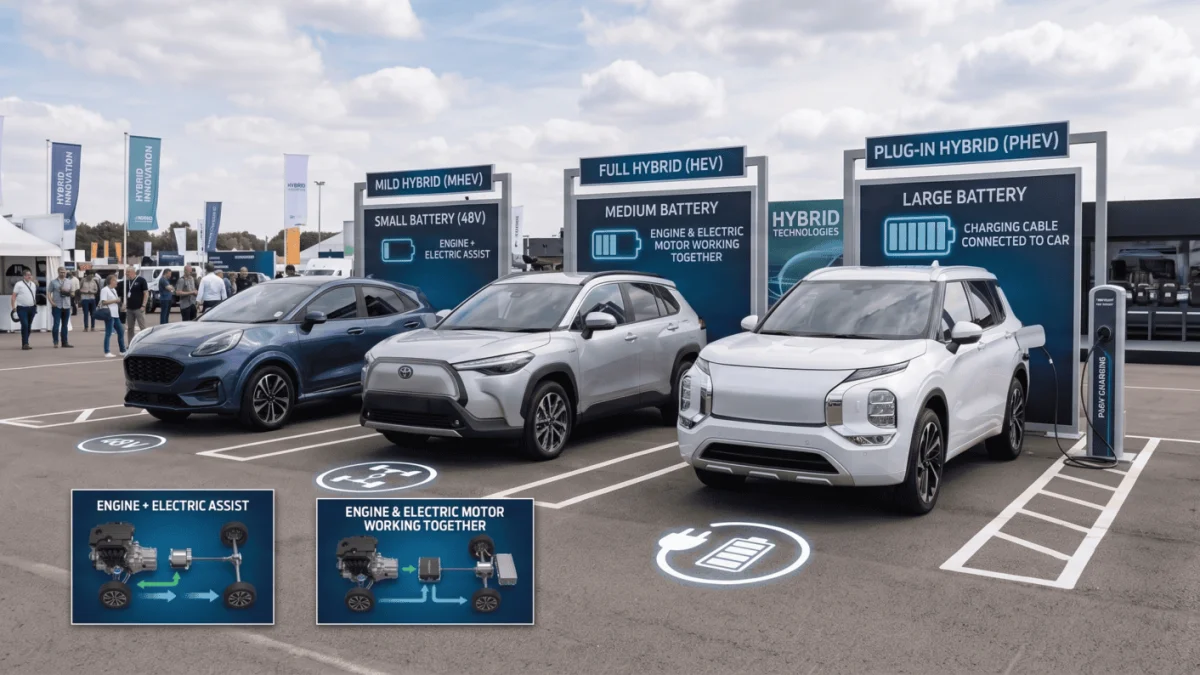
All three systems pair a gasoline engine with an electric motor. Yet the way each works is fundamentally different. The gap isn't just about marketing—it's about real-world capability.
A mild hybrid—or MHEV—is the simplest entry point. A small electric motor assists the gasoline engine during acceleration and start-stop conditions. It can't power the car on its own. No external charging, no all-electric driving. Fuel consumption is lower than conventional cars, and the purchase price is the lowest of the three. Ideal for daily city commutes.
A full hybrid—or HEV—takes things further. The electric motor can drive the car on its own, but only for short distances. The battery is mid-sized and requires no external charging—it recharges through regenerative braking and coasting. Fuel economy is strong, and pricing sits in the middle. This system suits drivers who split their time between city streets and highways.
Plug-in hybrids—or PHEVs—represent the top tier. Electric-only driving is available for longer distances thanks to a larger battery pack. But the catch is real: external charging is essential to unlock maximum efficiency. With regular charging, fuel consumption drops to the lowest among the trio. The purchase price is the highest. Best for those with access to home or workplace charging.
The choice depends entirely on your driving pattern. No single system fits everyone. The real question is simple: where will you drive it?
Related News
View All News
3 Valves That Protect Your Gas-Converted Car From Leaks and Overpressure
Specialists at Gastec explained that the natural gas conversion system relies on 3 main valves. The gas solenoid prevents flow when the engine stops, the filling valve secures refueling and…

NVIDIA Launches Halos SAFE Framework to Test Autonomous Driving Safety Before Trust
NVIDIA announced on October 21, 2026, the Halos SAFE framework to evaluate autonomous driving safety by combining virtual simulation, real-world testing, and fleet data analysis. The framework aims to produce…
Rivian Acquires Third Dimension AI to Accelerate Self-Driving Development
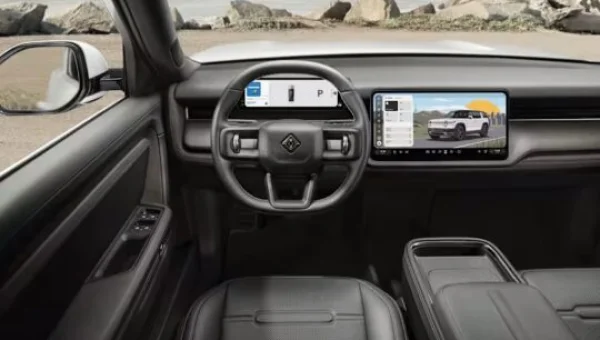
Rivian has acquired UK-based Third Dimension AI, a startup that uses AI to turn images and video into controllable 3D environments. The technology allows engineers to simulate rare and dangerous…

Agentic AI Set to Dominate Automotive Engineering: 68% of Carmakers Target Expansion Within 3 Years
A Capgemini Research Institute report reveals that 68% of automotive companies aim to increase reliance on agentic AI for non-core engineering activities to 68% within two to three years, up…
68% of Carmakers Adopt Agentic AI in Vehicle Development, Capgemini Report Finds
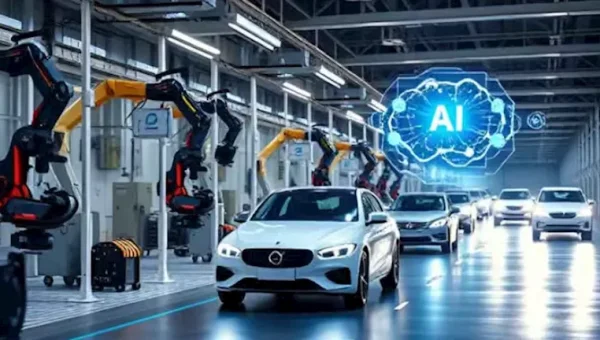
A Capgemini Research Institute report found that 68% of automotive companies are using or testing agentic AI in product development, with 33% in active use and 35% in pilot phases.…

