

How Tires Protect You From Road Imperfections Before You Buy
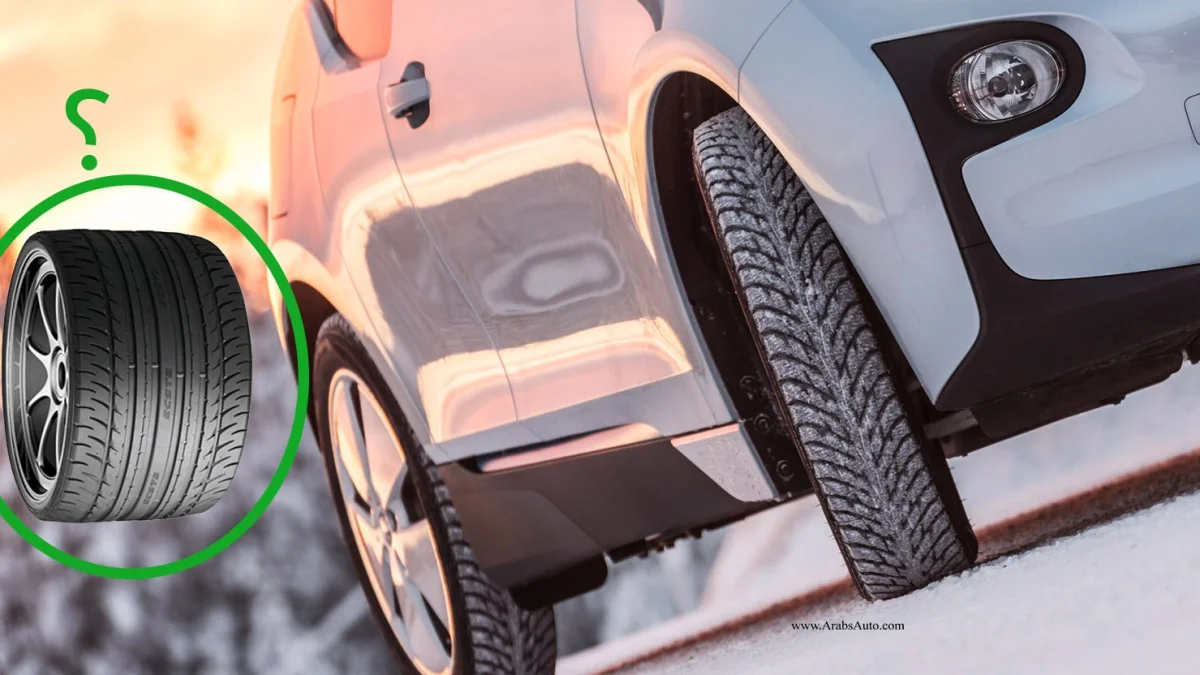
Choosing the right car tire involves far more than selecting the correct size or finding the lowest price. A tire is the vehicle's only point of contact with the road, making it one of the most important components affecting ride comfort, handling stability, fuel efficiency, and cabin noise. Understanding how a tire performs before making a purchase can help drivers achieve a safer and more comfortable driving experience in everyday conditions.
The Tire Is the First Line of Defense Against Road Imperfections
Many drivers assume that the suspension system alone is responsible for absorbing bumps and delivering ride comfort. In reality, the tire performs the first stage of impact absorption before vibrations reach the shock absorbers, springs, and other suspension components. A modern tire is built from a sophisticated combination of rubber compounds, reinforcing fabrics, steel belts, and compressed air, allowing it to function as a flexible cushion between the vehicle and the road surface. The rubber compound, internal construction, and air volume all play a direct role in absorbing impacts, maintaining stability, and reducing vibrations while driving.
Sidewall Design and Run-Flat Technology
The tire's sidewall is one of the key factors influencing ride comfort. A taller and more flexible sidewall generally provides better absorption of potholes and small road imperfections. By contrast, low-profile tires commonly fitted to sports cars or vehicles equipped with larger wheels deliver a more aggressive appearance and sharper cornering response, but they typically offer less comfort on rough roads. Run-Flat tires provide the ability to continue driving for a limited distance after losing air pressure, offering an important safety advantage, particularly on highways. However, these tires rely on extremely rigid sidewalls capable of supporting the vehicle without air pressure, which can result in a firmer ride and make road imperfections more noticeable. As a result, they may not be the ideal choice for every driver or every type of road.
Wheel Weight and Proper Tire Pressure Matter
Ride quality is also influenced by the combined weight of the tires and wheels. Heavier wheels increase the workload placed on the suspension system when dealing with bumps and vibrations. While larger and heavier wheels can enhance a vehicle's appearance, they may reduce overall ride comfort and increase fuel consumption, particularly if the suspension system was not designed to manage the additional weight.
Maintaining the correct tire pressure according to the vehicle manufacturer's recommendations remains essential for achieving optimum tire performance. Incorrect tire pressure can affect impact absorption, vehicle stability, tire longevity, and fuel economy. Keeping tires properly inflated helps deliver the best balance between comfort, safety, and driving efficiency while preserving consistent performance across different road conditions.
Related News
View All News
3 Valves That Protect Your Gas-Converted Car From Leaks and Overpressure
Specialists at Gastec explained that the natural gas conversion system relies on 3 main valves. The gas solenoid prevents flow when the engine stops, the filling valve secures refueling and…

NVIDIA Launches Halos SAFE Framework to Test Autonomous Driving Safety Before Trust
NVIDIA announced on October 21, 2026, the Halos SAFE framework to evaluate autonomous driving safety by combining virtual simulation, real-world testing, and fleet data analysis. The framework aims to produce…

Rivian Acquires Third Dimension AI to Accelerate Self-Driving Development
Rivian has acquired UK-based Third Dimension AI, a startup that uses AI to turn images and video into controllable 3D environments. The technology allows engineers to simulate rare and dangerous…

Agentic AI Set to Dominate Automotive Engineering: 68% of Carmakers Target Expansion Within 3 Years
A Capgemini Research Institute report reveals that 68% of automotive companies aim to increase reliance on agentic AI for non-core engineering activities to 68% within two to three years, up…

68% of Carmakers Adopt Agentic AI in Vehicle Development, Capgemini Report Finds
A Capgemini Research Institute report found that 68% of automotive companies are using or testing agentic AI in product development, with 33% in active use and 35% in pilot phases.…

