

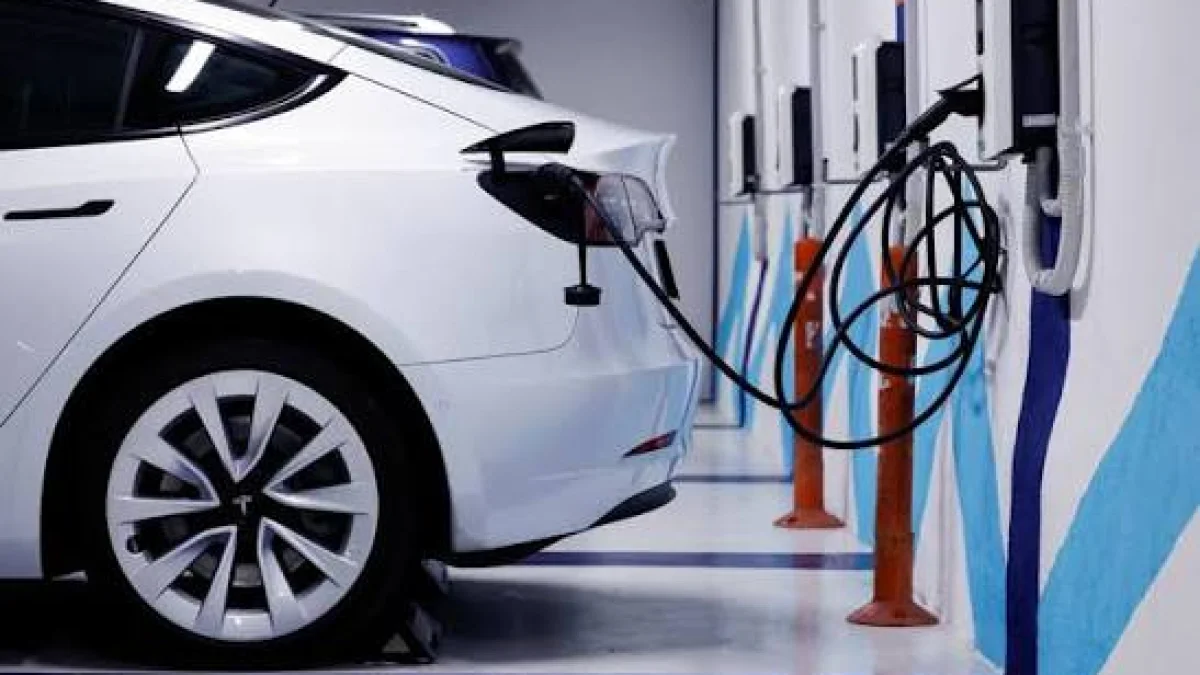
How Do Electric Cars Handle Heat? A Smaller Radiator with Bigger Responsibilities
The absence of a conventional engine in an electric car might suggest the end of the radiator and cooling system. Electric motors don't experience combustion reaching extreme temperatures like petrol or diesel engines. The reality is far more complex.
Electric vehicles generate heat too, just from different sources. They require a comprehensive thermal management system to keep the battery, electric motor. Electronic control units within a safe temperature range. Many EVs actually feature a radiator at the front, though it's smaller and less prominent than traditional ones.
Where Does Heat Come From in an EV?
No fuel combustion occurs inside an electric car, but that doesn't mean all stored battery energy converts to motion without losses. The battery produces heat when drawing power, especially during hard acceleration or high-speed driving, and its temperature rises during fast charging due to large electric currents flowing through the cells.
The electric motor itself generates heat from electrical resistance and internal friction. The inverter and power electronics that convert current and control its flow from battery to motor also reach high temperatures. An EV has three main heat sources needing thermal management: the battery, the electric motor. The drive system's control electronics.
The Battery Is the Most Sensitive Component
The high-voltage battery is the most expensive and temperature-sensitive part of an electric vehicle. If it overheats, performance drops and cell degradation accelerates, gradually reducing capacity and driving range. In cold weather, chemical reactions inside the cells slow down, decreasing the energy the battery can deliver or accept, and slowing charge rates.
Thermal management doesn't just cool the battery in summer — it also warms it in winter or before reaching a fast-charging station. Sensors distributed inside the battery pack constantly monitor cell temperatures. The radiator works with electric pumps, heat exchangers. The air conditioning system to cool or heat vehicle components as needed.
The radiator hasn't disappeared from the automotive world — its role has evolved and become smarter. Thermal management in an EV is a complex story, but it's essential for battery performance, longevity, and daily driving range.
Related News
View All News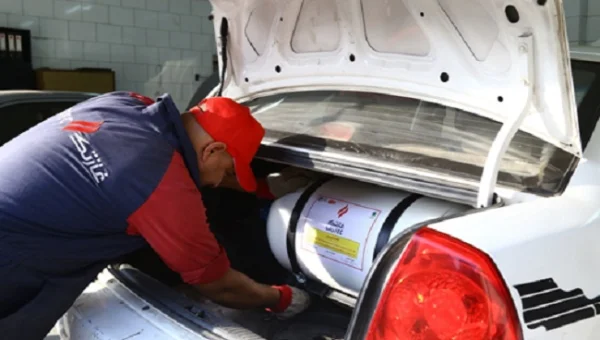
3 Valves That Protect Your Gas-Converted Car From Leaks and Overpressure
Specialists at Gastec explained that the natural gas conversion system relies on 3 main valves. The gas solenoid prevents flow when the engine stops, the filling valve secures refueling and…

NVIDIA Launches Halos SAFE Framework to Test Autonomous Driving Safety Before Trust
NVIDIA announced on October 21, 2026, the Halos SAFE framework to evaluate autonomous driving safety by combining virtual simulation, real-world testing, and fleet data analysis. The framework aims to produce…
Rivian Acquires Third Dimension AI to Accelerate Self-Driving Development
Rivian has acquired UK-based Third Dimension AI, a startup that uses AI to turn images and video into controllable 3D environments. The technology allows engineers to simulate rare and dangerous…

Agentic AI Set to Dominate Automotive Engineering: 68% of Carmakers Target Expansion Within 3 Years
A Capgemini Research Institute report reveals that 68% of automotive companies aim to increase reliance on agentic AI for non-core engineering activities to 68% within two to three years, up…

68% of Carmakers Adopt Agentic AI in Vehicle Development, Capgemini Report Finds
A Capgemini Research Institute report found that 68% of automotive companies are using or testing agentic AI in product development, with 33% in active use and 35% in pilot phases.…

