

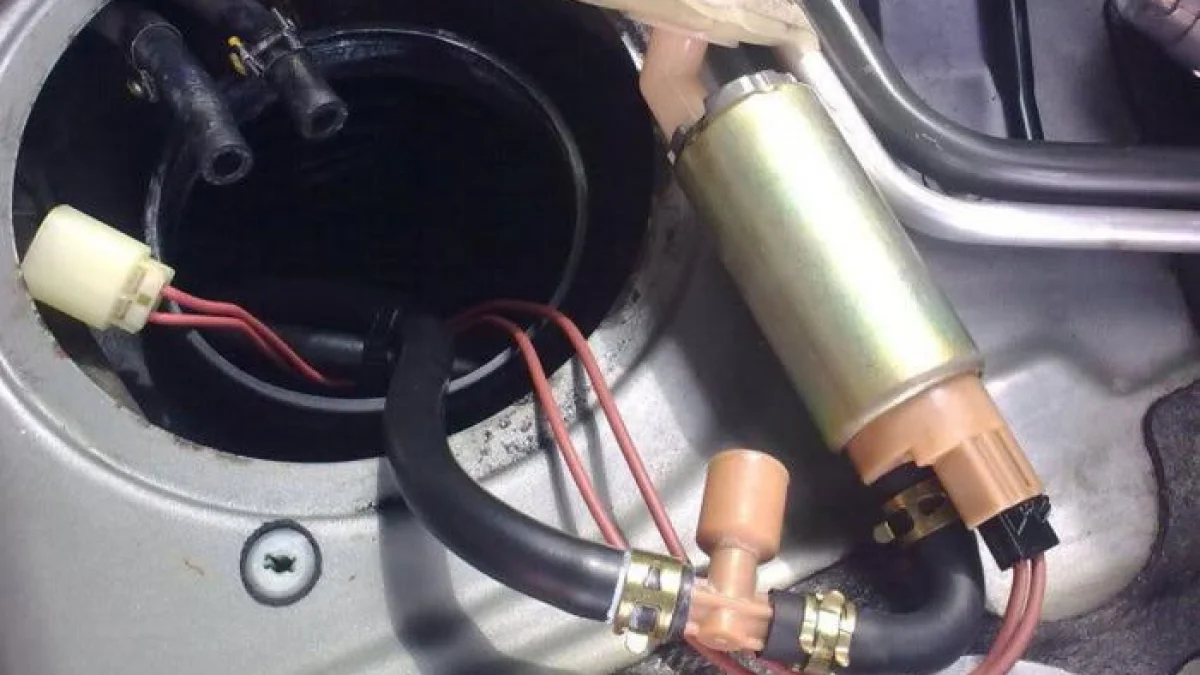
5 Warning Signs of a Failing Fuel Pump: Don't Ignore These Symptoms
A failing fuel pump often starts with subtle symptoms that many drivers overlook, such as delayed engine startup or sluggish acceleration when pressing the gas pedal. However, ignoring these early warning signs can lead to sudden engine stalling and dangerous roadside situations. The fuel pump is a critical component of the vehicle's fuel system, responsible for delivering fuel from the tank to the engine at the correct pressure. When its efficiency declines, the engine receives an inconsistent fuel supply, triggering a range of symptoms that require immediate attention.
Difficulty Starting the Engine
One of the earliest indicators of a weak fuel pump is when the vehicle takes longer than usual to start, especially in the morning or after being parked for extended periods. This typically occurs because the pump cannot deliver sufficient fuel pressure from the first moment, causing slower cranking and requiring multiple attempts before the engine turns over. If you experience this issue with your used car, you might consider checking reliable options such as Hyundai or Toyota for better mechanical condition.
Engine Hesitation and Loss of Power
If you notice hesitation, jerking, or a sudden drop in power during acceleration, a failing fuel pump may be the culprit. In this case, the engine does not receive a steady flow of gasoline, making the problem more apparent when pressing the accelerator, climbing hills, or carrying a heavier load. It is essential to inspect the fuel system in vehicles like Nissan or Chevrolet if these symptoms appear.
Sudden Engine Stalling: A Serious Red Flag
One of the most dangerous signs is when the engine stalls while driving or at traffic lights, especially if it happens repeatedly without an obvious cause. This indicates that the fuel pump can no longer supply the necessary fuel to keep the engine running, a failure that should never be ignored as it can lead to hazardous situations on the road. Regular maintenance is highly recommended for models such as Kia and Mercedes to avoid such risks.
Whining Noise from the Fuel Tank Area
A fuel pump normally emits a faint hum when the vehicle is started, but if this sound becomes louder or turns into a distinct whine coming from the fuel tank area, it may signal impending failure. The noise often becomes more noticeable when turning the ignition key or during driving, especially if the pump is working under higher-than-normal pressure due to a partially clogged filter or worn internal components. Monitoring the condition of cars like BMW or Honda can help detect similar issues early.
Increased Fuel Consumption and Reduced Efficiency
A weak fuel pump can disrupt the combustion process inside the engine, leading to higher fuel consumption and reduced operational efficiency. If you notice that your vehicle is burning more gasoline than usual without a clear reason, it is crucial to inspect the fuel pump and the entire fuel system. For optimal performance, consider choosing reliable vehicles such as Suzuki or Mitsubishi, which are known for durable fuel systems.
Related News
View All News
3 Valves That Protect Your Gas-Converted Car From Leaks and Overpressure
Specialists at Gastec explained that the natural gas conversion system relies on 3 main valves. The gas solenoid prevents flow when the engine stops, the filling valve secures refueling and…

NVIDIA Launches Halos SAFE Framework to Test Autonomous Driving Safety Before Trust
NVIDIA announced on October 21, 2026, the Halos SAFE framework to evaluate autonomous driving safety by combining virtual simulation, real-world testing, and fleet data analysis. The framework aims to produce…

Rivian Acquires Third Dimension AI to Accelerate Self-Driving Development
Rivian has acquired UK-based Third Dimension AI, a startup that uses AI to turn images and video into controllable 3D environments. The technology allows engineers to simulate rare and dangerous…

Agentic AI Set to Dominate Automotive Engineering: 68% of Carmakers Target Expansion Within 3 Years
A Capgemini Research Institute report reveals that 68% of automotive companies aim to increase reliance on agentic AI for non-core engineering activities to 68% within two to three years, up…

68% of Carmakers Adopt Agentic AI in Vehicle Development, Capgemini Report Finds
A Capgemini Research Institute report found that 68% of automotive companies are using or testing agentic AI in product development, with 33% in active use and 35% in pilot phases.…

