

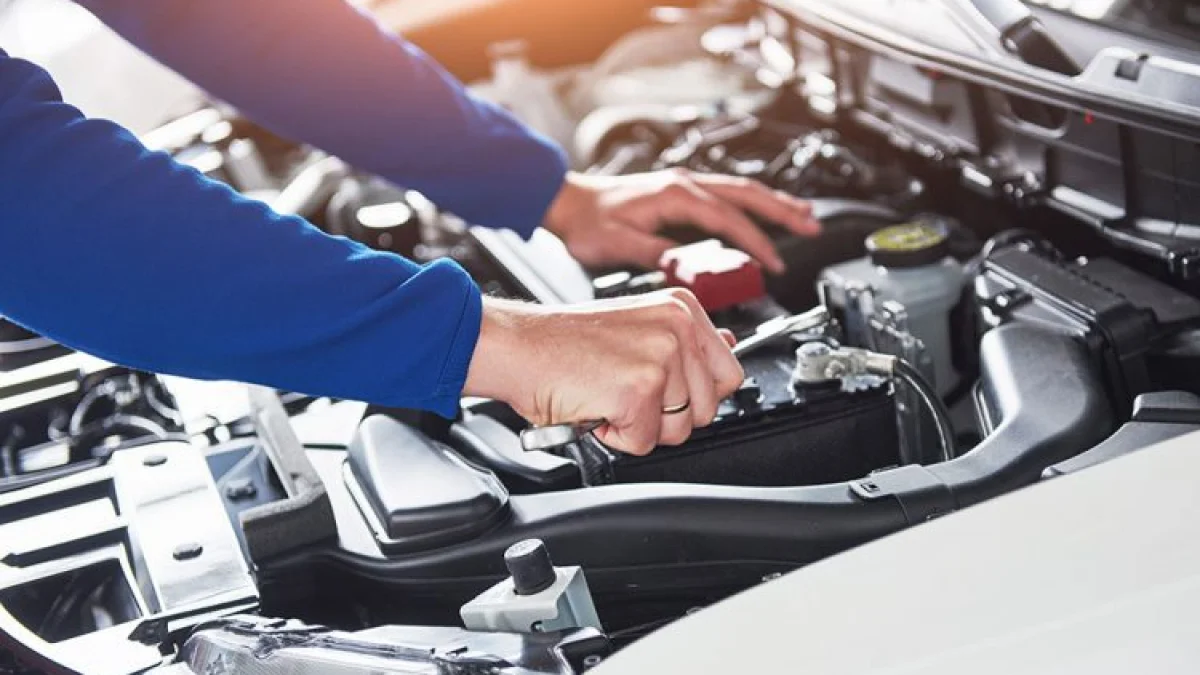
Engine Air Filter: A Small Part That Could Cost You Thousands If Neglected
The engine air filter is a critical component in any vehicle, playing a key role in protecting the engine from dust and debris. This small part ensures clean air reaches the combustion chamber, improving performance efficiency and reducing fuel consumption. Neglecting to replace it on time can lead to noticeable engine performance decline, increased fuel usage, poor acceleration response, and higher emissions due to incomplete combustion.
Ideal Replacement Interval for the Air Filter
According to routine maintenance recommendations, the engine air filter should be replaced every 10,000 to 20,000 kilometers at most. This distance varies based on driving habits and road conditions. For instance, if you frequently drive in congested areas or on dusty roads, you should shorten this interval to maintain engine efficiency. It is advisable to inspect the filter regularly during oil changes or routine maintenance, rather than relying solely on mileage, as road conditions and dust levels can accelerate its clogging or deterioration.
Warning Signs of a Clogged Air Filter
Several warning signs alert drivers to check or replace the air filter. These include poor engine pulling power, unexplained increased fuel consumption, unusual engine noises, or delayed throttle response. A clogged air filter prevents the proper amount of air from reaching the engine, affecting combustion and forcing the engine to work harder to achieve required performance. Ignoring these signs can lead to major failures and costly repairs.
Low Cost, High Benefits
Replacing the air filter is one of the simplest and least expensive maintenance tasks, yet it helps maintain engine efficiency, improve vehicle performance, and reduce unexpected breakdowns in the long run. Thanks to this simple component, you can avoid spending thousands on engine repairs caused by dust and debris ingress. Therefore, it is essential to adhere to the maintenance schedule and inspect the filter regularly to ensure optimal engine performance and a longer vehicle lifespan.
Related News
View All News
3 Valves That Protect Your Gas-Converted Car From Leaks and Overpressure
Specialists at Gastec explained that the natural gas conversion system relies on 3 main valves. The gas solenoid prevents flow when the engine stops, the filling valve secures refueling and…

NVIDIA Launches Halos SAFE Framework to Test Autonomous Driving Safety Before Trust
NVIDIA announced on October 21, 2026, the Halos SAFE framework to evaluate autonomous driving safety by combining virtual simulation, real-world testing, and fleet data analysis. The framework aims to produce…

Rivian Acquires Third Dimension AI to Accelerate Self-Driving Development
Rivian has acquired UK-based Third Dimension AI, a startup that uses AI to turn images and video into controllable 3D environments. The technology allows engineers to simulate rare and dangerous…

Agentic AI Set to Dominate Automotive Engineering: 68% of Carmakers Target Expansion Within 3 Years
A Capgemini Research Institute report reveals that 68% of automotive companies aim to increase reliance on agentic AI for non-core engineering activities to 68% within two to three years, up…

68% of Carmakers Adopt Agentic AI in Vehicle Development, Capgemini Report Finds
A Capgemini Research Institute report found that 68% of automotive companies are using or testing agentic AI in product development, with 33% in active use and 35% in pilot phases.…

