

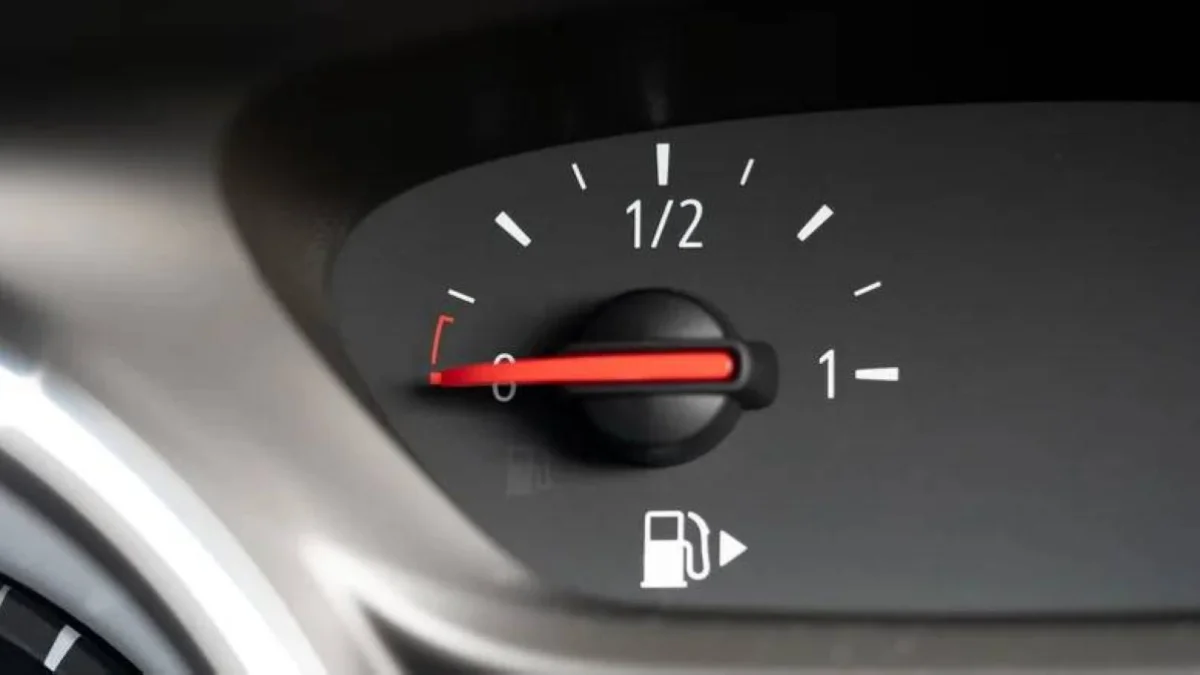
Fuel Warning Light Isn't Just a Reminder: What Your Car Loses When You Drive on Empty
Repeatedly driving on empty puts extra stress on the fuel pump, which relies on surrounding gasoline to stay cool. Low fuel levels cause the pump to run hotter, shortening its lifespan, with possible engine stuttering during corners or acceleration. The myth about sediment being pulled into the engine is inaccurate, but an old fuel tank increases filter clogging risks. Avoiding constant driving on reserve helps maintain fuel system efficiency.
The fuel warning light in your car isn't a challenge—it's a signal that your fuel tank needs immediate refueling. Repeatedly driving on empty can cause real damage to your fuel system, especially the fuel pump that sits inside the tank. Don't take this habit lightly.
Why Does the Fuel Pump Suffer When Fuel Runs Low?
In most modern cars, the fuel pump is mounted inside the tank. It relies on the surrounding gasoline to cool itself during continuous operation. When fuel levels drop repeatedly, the pump runs hotter and works under harsh conditions. This heat stress gradually shortens its lifespan. The result? An early replacement with an unexpected bill.
It doesn't stop there. During steep climbs, sharp corners, or hard acceleration, fuel sloshes away from the pickup point for brief moments. With a nearly empty tank, air can enter the fuel line and cause engine stuttering or sudden stalling. A dangerous situation on the highway.
Common Myths About Driving on Empty
Many believe that driving on a nearly empty tank pulls sediment from the bottom straight into the engine. The truth is different. The fuel pump draws from the lower area regardless of fuel level. The fuel filter catches debris before it reaches the injection system. But an old tank with heavy sediment or poor-quality fuel can increase the risk of filter clogging and pump strain. That's when using fuel from a trusted source and maintaining the fuel system becomes essential.
Another myth claims that driving with little fuel saves consumption. In practice, that's false. The difference in vehicle weight is too small to make a noticeable impact on fuel economy. Real savings come from driving style and regular maintenance, not from delaying fill-ups.
When Does the Habit Become a Real Problem?
Hitting the reserve once in a while isn't a disaster. The problem lies in repeatedly driving on a nearly empty tank. Over time, this simple habit turns into a costly maintenance bill covering fuel pump replacement, fuel filter changes, or a full injection system cleaning. Avoid waiting until the light comes on every time, especially before travel or long drives.
Keep a reasonable amount of fuel in the tank. This protects the fuel pump and ensures consistent engine performance while preventing unexpected breakdowns on the road. Your car deserves enough fuel—not a permanent reserve.
Frequently Asked Questions
3 questions answered
Related News
View All News
3 Valves That Protect Your Gas-Converted Car From Leaks and Overpressure
Specialists at Gastec explained that the natural gas conversion system relies on 3 main valves. The gas solenoid prevents flow when the engine stops, the filling valve secures refueling and…

NVIDIA Launches Halos SAFE Framework to Test Autonomous Driving Safety Before Trust
NVIDIA announced on October 21, 2026, the Halos SAFE framework to evaluate autonomous driving safety by combining virtual simulation, real-world testing, and fleet data analysis. The framework aims to produce…

Rivian Acquires Third Dimension AI to Accelerate Self-Driving Development
Rivian has acquired UK-based Third Dimension AI, a startup that uses AI to turn images and video into controllable 3D environments. The technology allows engineers to simulate rare and dangerous…

Agentic AI Set to Dominate Automotive Engineering: 68% of Carmakers Target Expansion Within 3 Years
A Capgemini Research Institute report reveals that 68% of automotive companies aim to increase reliance on agentic AI for non-core engineering activities to 68% within two to three years, up…

68% of Carmakers Adopt Agentic AI in Vehicle Development, Capgemini Report Finds
A Capgemini Research Institute report found that 68% of automotive companies are using or testing agentic AI in product development, with 33% in active use and 35% in pilot phases.…

