

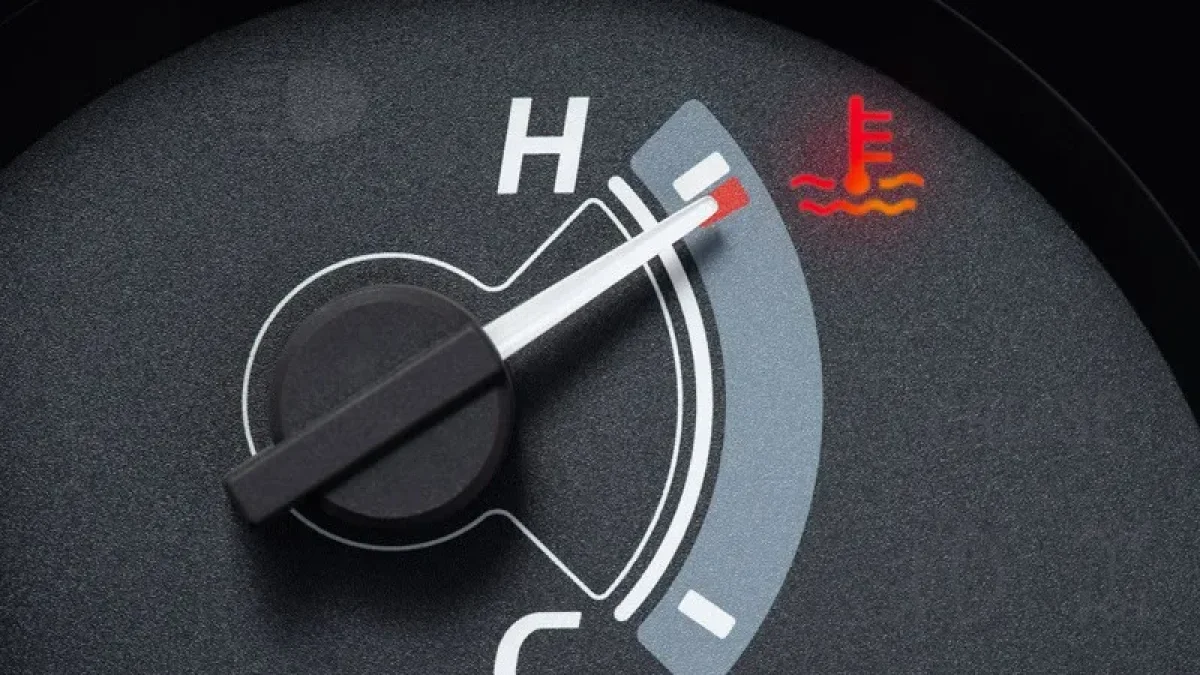
Car Overheating When AC Is On: Causes and Practical Solutions
Many drivers experience engine overheating as soon as the air conditioning is turned on—a warning sign that often points to an underlying mechanical issue. If left unchecked, this problem can escalate into costly repairs. This article explores the main reasons why your car overheats when the AC is running and provides actionable solutions to keep your engine cool.
Warning Signs to Watch For
When the AC is activated, be alert to several telltale indicators: a rapid rise in engine temperature immediately after switching on the AC, noticeably weak cooling performance, a burning smell coming from the front of the vehicle, and unusual noises from the AC fan or compressor. Any of these symptoms warrant an immediate inspection to prevent further damage.
Why Does the AC Cause Overheating?
The air conditioning system relies on a compressor that draws power from the engine to operate. This additional load forces the engine to work harder, generating more heat—especially in older or smaller-displacement vehicles. The situation worsens in stop-and-go traffic or city driving, where the engine struggles to compensate for the lost power, leading to higher temperatures.
Common Causes of Overheating with AC On
Several factors can contribute to engine overheating when the AC is running. These include a faulty cooling system that fails to dissipate excess heat, low or degraded coolant, a damaged water pump, or dirt and debris buildup on the radiator or compressor. A malfunctioning cooling fan, a blown fuse, a faulty thermostat that restricts coolant flow, or low refrigerant levels can also force the compressor and engine to work harder, raising the temperature further.
Practical Solutions to Prevent Overheating
To maintain normal engine temperatures while using the AC, follow these essential maintenance steps: regularly check and replace the coolant, clean the radiator thoroughly, inspect the cooling fan for proper operation, and test the thermostat, replacing it if necessary. Additionally, have the entire AC system checked for refrigerant levels and leaks to ensure efficient performance.
Ignoring an overheating issue when the AC is on can lead to severe engine damage, blown gaskets, increased fuel consumption, reduced AC efficiency, and even sudden breakdowns on the road. Routine inspections and preventive maintenance are the best ways to avoid these problems and ensure a safe, comfortable driving experience.
Related News
View All News
3 Valves That Protect Your Gas-Converted Car From Leaks and Overpressure
Specialists at Gastec explained that the natural gas conversion system relies on 3 main valves. The gas solenoid prevents flow when the engine stops, the filling valve secures refueling and…

NVIDIA Launches Halos SAFE Framework to Test Autonomous Driving Safety Before Trust
NVIDIA announced on October 21, 2026, the Halos SAFE framework to evaluate autonomous driving safety by combining virtual simulation, real-world testing, and fleet data analysis. The framework aims to produce…

Rivian Acquires Third Dimension AI to Accelerate Self-Driving Development
Rivian has acquired UK-based Third Dimension AI, a startup that uses AI to turn images and video into controllable 3D environments. The technology allows engineers to simulate rare and dangerous…

Agentic AI Set to Dominate Automotive Engineering: 68% of Carmakers Target Expansion Within 3 Years
A Capgemini Research Institute report reveals that 68% of automotive companies aim to increase reliance on agentic AI for non-core engineering activities to 68% within two to three years, up…

68% of Carmakers Adopt Agentic AI in Vehicle Development, Capgemini Report Finds
A Capgemini Research Institute report found that 68% of automotive companies are using or testing agentic AI in product development, with 33% in active use and 35% in pilot phases.…

