

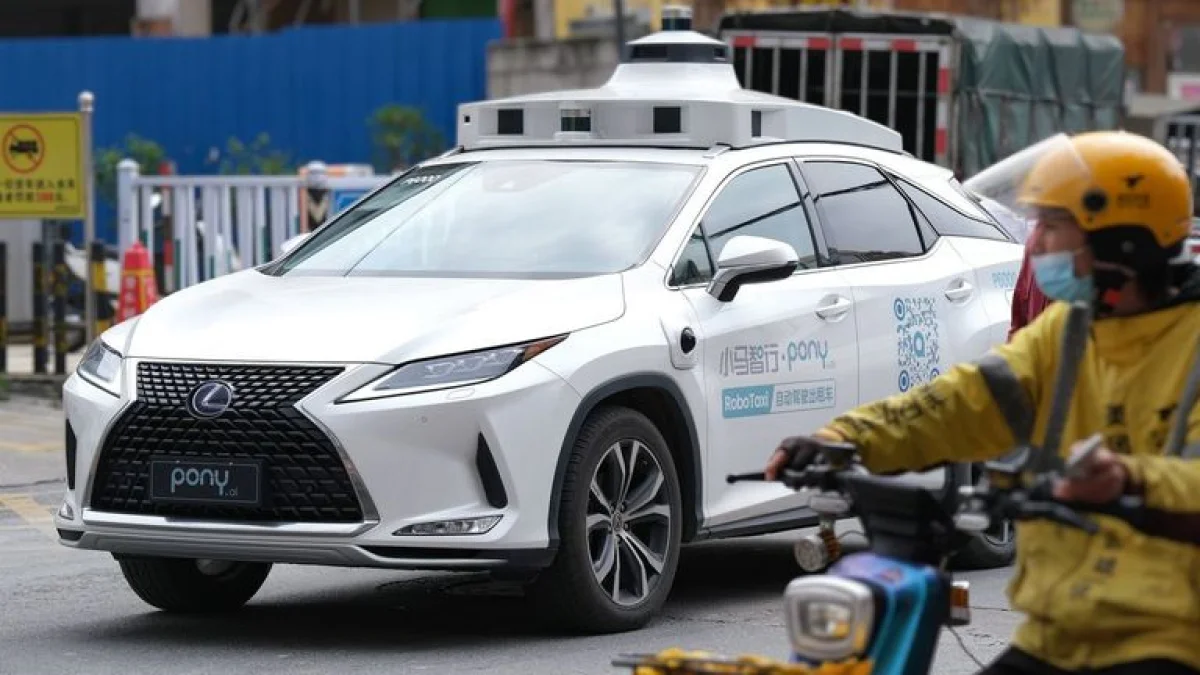
Chinese Invasion: Baidu's 4,000 Robotaxis Head to Europe and Beyond
Chinese company Baidu announced plans to deploy over 4,000 self-driving taxis worldwide, with half heading to Europe in partnership with Uber. The collaboration will start in the Croatian city of Zagreb with plans to expand to four additional European cities. The plan also includes the Middle East, reflecting a shift in Chinese strategy from vehicle exports to technology and services exports.
The numbers are staggering. Chinese company Baidu plans to deploy over 4,000 self-driving taxis worldwide, with half of them heading to Europe alone. This isn't a minor announcement. It's a move that redraws the map of autonomous mobility across the old continent.
The European Plan Takes Shape
Baidu announced its intention to deploy 2,000 self-driving taxis across Europe in partnership with Uber. The existing collaboration in the Croatian city of Zagreb serves as the launchpad. Is Zagreb enough? Certainly not. The plans extend to four additional European cities that haven't been named yet.
From Zagreb to the Middle East
Zagreb is just the beginning. The company will announce more operational details later, but early outlines paint a clear picture of Chinese ambitions that go beyond European borders. The plan also includes the Middle East, revealing the expanding scope of Chinese movement in the self-driving sector. Competition is gradually shifting from local markets to the global stage. The electric vehicle and autonomous driving market won't be monopolized by a single player.
Why This Matters to the Egyptian Market
These developments may seem distant from Tesla and the Egyptian market, but they carry important signals. The entry of Chinese companies at this scale into autonomous mobility means changing the rules of the game in self-driving technologies that major global brands are working on. Competition will pressure prices and accelerate innovation. This expansion relies not only on exporting cars but extends to technology and related services.
A Fierce Global Race
The global scene is witnessing unprecedented acceleration in the self-driving car race. Tesla, Uber, and major Chinese companies are competing to lead the future of transportation. Baidu isn't content with just participating. It wants to impose its presence forcefully. Four thousand self-driving taxis isn't a casual number. It's a direct message to competitors: China is coming. This time through technology, not just vehicle exports.
What It Means for the Future of Mobility
The transition from local markets to the global stage represents a qualitative leap for Chinese companies. It's no longer just about selling electric or conventional cars, but about shaping the future of autonomous transport in Europe, the Middle East, and various global markets. This expansion puts BYD and other Chinese companies in direct confrontation with technology giants. The race has started, and speed is the deciding factor. Whoever reaches major cities first will set the rules of the game for decades to come.
Frequently Asked Questions
3 questions answered
Related News
View All News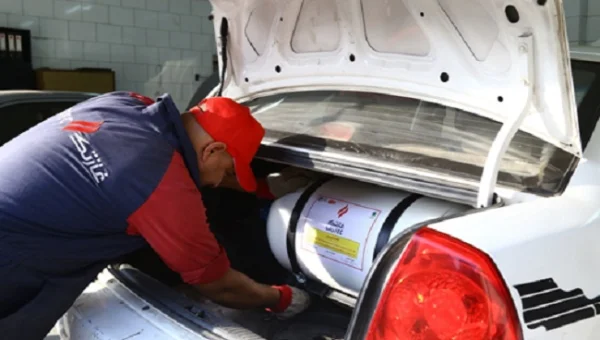
3 Valves That Protect Your Gas-Converted Car From Leaks and Overpressure
Specialists at Gastec explained that the natural gas conversion system relies on 3 main valves. The gas solenoid prevents flow when the engine stops, the filling valve secures refueling and…

NVIDIA Launches Halos SAFE Framework to Test Autonomous Driving Safety Before Trust
NVIDIA announced on October 21, 2026, the Halos SAFE framework to evaluate autonomous driving safety by combining virtual simulation, real-world testing, and fleet data analysis. The framework aims to produce…
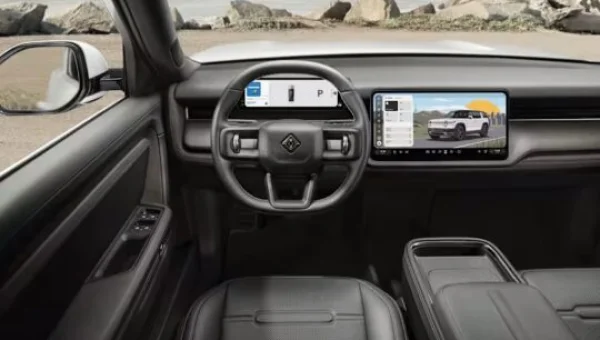
Rivian Acquires Third Dimension AI to Accelerate Self-Driving Development
Rivian has acquired UK-based Third Dimension AI, a startup that uses AI to turn images and video into controllable 3D environments. The technology allows engineers to simulate rare and dangerous…

Agentic AI Set to Dominate Automotive Engineering: 68% of Carmakers Target Expansion Within 3 Years
A Capgemini Research Institute report reveals that 68% of automotive companies aim to increase reliance on agentic AI for non-core engineering activities to 68% within two to three years, up…
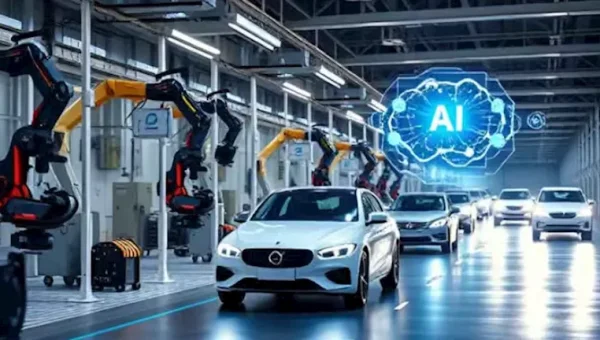
68% of Carmakers Adopt Agentic AI in Vehicle Development, Capgemini Report Finds
A Capgemini Research Institute report found that 68% of automotive companies are using or testing agentic AI in product development, with 33% in active use and 35% in pilot phases.…

