

Automatic Car Shaking in Drive: 8 Common Causes and How to Fix Them
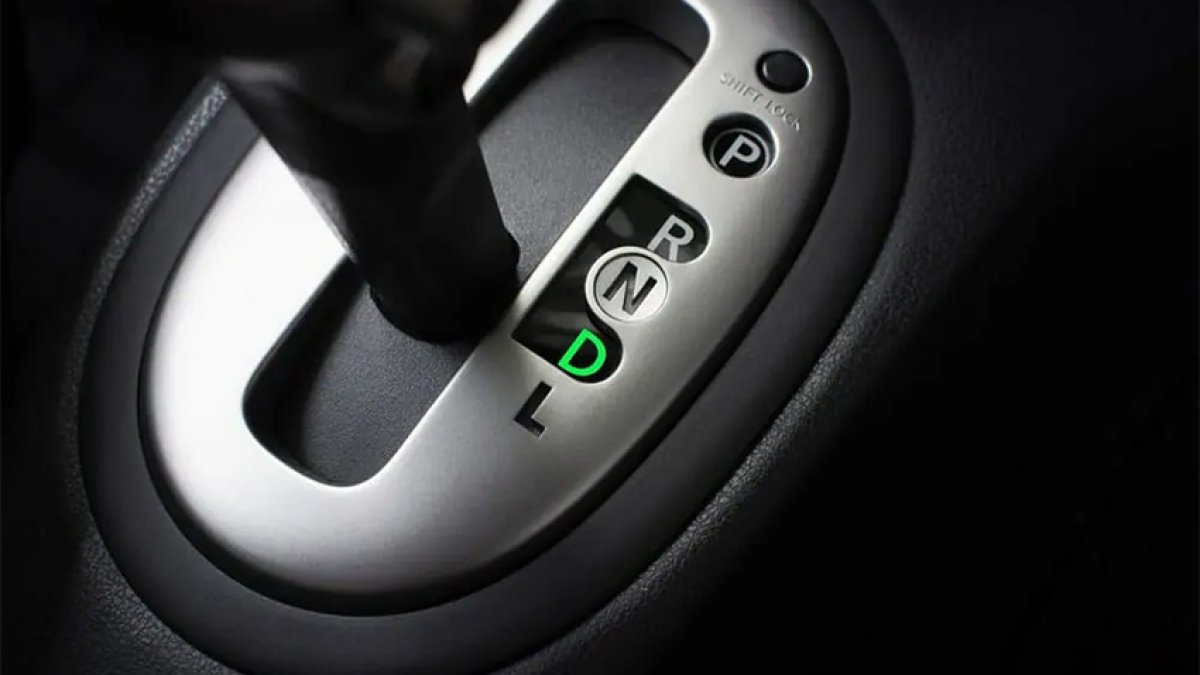
Many drivers of automatic transmission vehicles experience shaking or vibrating while stopped with the brakes applied, particularly when the gear selector is in Drive. While some may dismiss this symptom as a minor annoyance, it is actually a crucial technical indicator of an underlying mechanical or electrical issue that requires immediate inspection.
Common Causes of Automatic Car Vibrations
Automotive maintenance expert Eng. Ali Abdel-Mughni explains that this widespread phenomenon is typically driven by eight main factors affecting engine and transmission efficiency. The primary culprit is often damaged engine mounts. These mounts are specifically designed to absorb vibrations and prevent them from transferring to the chassis; when they fail, the shaking becomes directly noticeable.
Another significant factor is unstable engine RPM, which disrupts the engine's smooth operation while idling. Additionally, worn or damaged spark plugs play a major role. A weak spark leads to incomplete combustion within the cylinders, generating a distinct and noticeable vibration.
Fuel and Air System Issues
The expert also points out that a dirty throttle body, caused by the accumulation of carbon and debris, restricts the proper airflow needed to stabilize engine performance. Fuel injector problems are equally critical; clogged or faulty injectors prevent balanced fuel distribution to the cylinders, directly resulting in a rough idle.
Furthermore, low engine compression within the cylinders reduces overall efficiency and torque when the vehicle is stationary. Vibrations can also stem from issues within the turbocharger system or automatic transmission components, which place an extra load on the engine during gear engagement.
Finally, Eng. Ali Abdel-Mughni highlights that any faults in the ignition system, such as damaged ignition coils or faulty electrical connections, will cause the engine to run irregularly. He concludes with a strong warning against ignoring these symptoms, emphasizing that early inspection prevents the escalation of damage, saves on costly repairs, and ensures optimal vehicle performance and driving safety.
Related News
View All News
3 Valves That Protect Your Gas-Converted Car From Leaks and Overpressure
Specialists at Gastec explained that the natural gas conversion system relies on 3 main valves. The gas solenoid prevents flow when the engine stops, the filling valve secures refueling and…

NVIDIA Launches Halos SAFE Framework to Test Autonomous Driving Safety Before Trust
NVIDIA announced on October 21, 2026, the Halos SAFE framework to evaluate autonomous driving safety by combining virtual simulation, real-world testing, and fleet data analysis. The framework aims to produce…

Rivian Acquires Third Dimension AI to Accelerate Self-Driving Development
Rivian has acquired UK-based Third Dimension AI, a startup that uses AI to turn images and video into controllable 3D environments. The technology allows engineers to simulate rare and dangerous…

Agentic AI Set to Dominate Automotive Engineering: 68% of Carmakers Target Expansion Within 3 Years
A Capgemini Research Institute report reveals that 68% of automotive companies aim to increase reliance on agentic AI for non-core engineering activities to 68% within two to three years, up…

68% of Carmakers Adopt Agentic AI in Vehicle Development, Capgemini Report Finds
A Capgemini Research Institute report found that 68% of automotive companies are using or testing agentic AI in product development, with 33% in active use and 35% in pilot phases.…

