

AI Is Redefining Navigation: Your Car Predicts Traffic Before It Happens
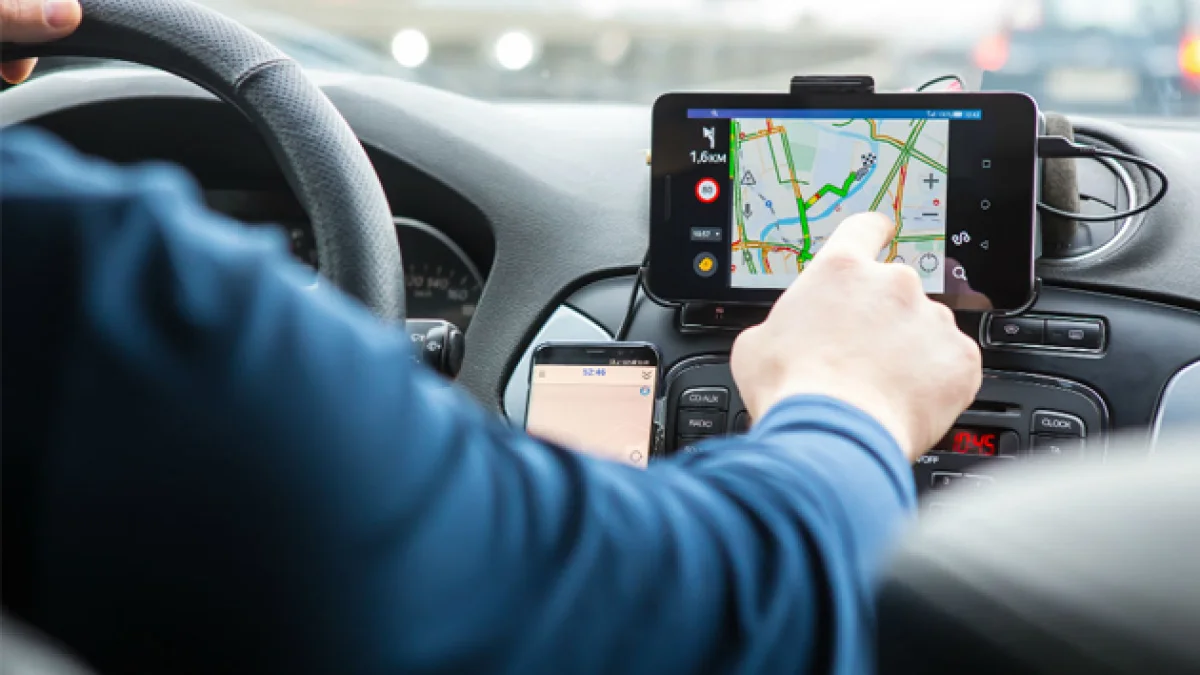
Artificial intelligence is transforming car navigation from static map-reading to proactive route prediction. A 2025 Physica A study introduced a dynamic model that recalculates paths in real time based on traffic changes. Connected cars act as moving sensors, feeding machine learning algorithms that anticipate congestion before it occurs. Advances like Waymo's EMMA model integrate behavior prediction into driving decisions, reducing travel time and energy consumption.
Artificial intelligence is rewriting the rules of the road. Modern cars are no longer just following a static map — they analyze live traffic conditions, predict congestion. Plan the most efficient route before you even reach the bottleneck. A 2025 study published in Physica A introduced a dynamic routing model that recalculates paths in real time based on changing road conditions.
From Static Maps to Real-Time Predictions
The shift is fundamental. Traditional GPS waits for a destination then draws the shortest path, but new systems treat the road as a living entity. The model processes traffic density, lane movements, and turn patterns to determine which route will actually be fastest when you arrive — not just on the map.
Cars as Moving Sensors
Connected vehicles are now acting as mobile sensors, feeding real-time data about road conditions to AI algorithms. Research published in Scientific Reports in 2026 applied machine learning and graph neural networks to improve routing in connected vehicle networks. The system leverages instant data streams from cars and roadside infrastructure to build a richer picture of traffic flow.
Over time, navigation transforms from "Where is traffic now?" to "Where will traffic be when I get there?" That evolution is the core promise of predictive routing technology.
Understanding the Surroundings
This isn't just about maps. Automated driving systems use cameras, radar. Lidar to identify vehicles, pedestrians, and lanes, then attempt to anticipate their movements and plan the next maneuver. Waymo's research shows that self-driving systems rely on AI for object detection, behavior prediction, and motion planning. The company's multimodal model, EMMA, processes sensor data to help generate future paths for the vehicle — blurring the line between navigation and decision-making.
The result is a car that thinks before it moves.
Frequently Asked Questions
3 questions answered
Related News
View All News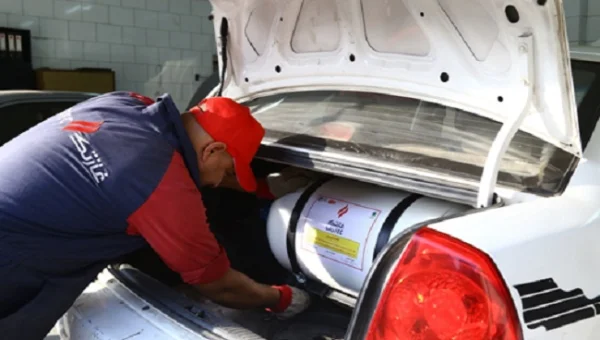
3 Valves That Protect Your Gas-Converted Car From Leaks and Overpressure
Specialists at Gastec explained that the natural gas conversion system relies on 3 main valves. The gas solenoid prevents flow when the engine stops, the filling valve secures refueling and…
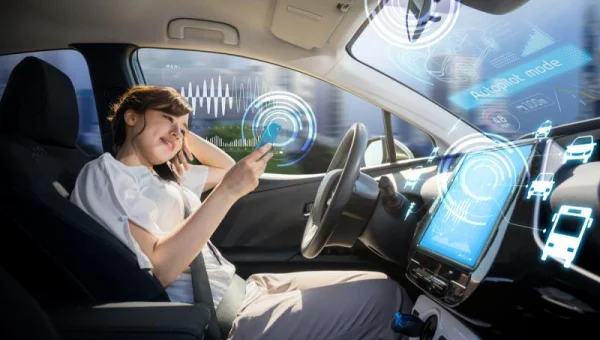
NVIDIA Launches Halos SAFE Framework to Test Autonomous Driving Safety Before Trust
NVIDIA announced on October 21, 2026, the Halos SAFE framework to evaluate autonomous driving safety by combining virtual simulation, real-world testing, and fleet data analysis. The framework aims to produce…
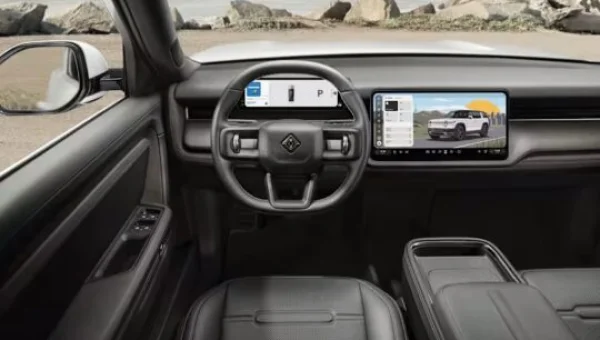
Rivian Acquires Third Dimension AI to Accelerate Self-Driving Development
Rivian has acquired UK-based Third Dimension AI, a startup that uses AI to turn images and video into controllable 3D environments. The technology allows engineers to simulate rare and dangerous…

Agentic AI Set to Dominate Automotive Engineering: 68% of Carmakers Target Expansion Within 3 Years
A Capgemini Research Institute report reveals that 68% of automotive companies aim to increase reliance on agentic AI for non-core engineering activities to 68% within two to three years, up…
68% of Carmakers Adopt Agentic AI in Vehicle Development, Capgemini Report Finds
A Capgemini Research Institute report found that 68% of automotive companies are using or testing agentic AI in product development, with 33% in active use and 35% in pilot phases.…

