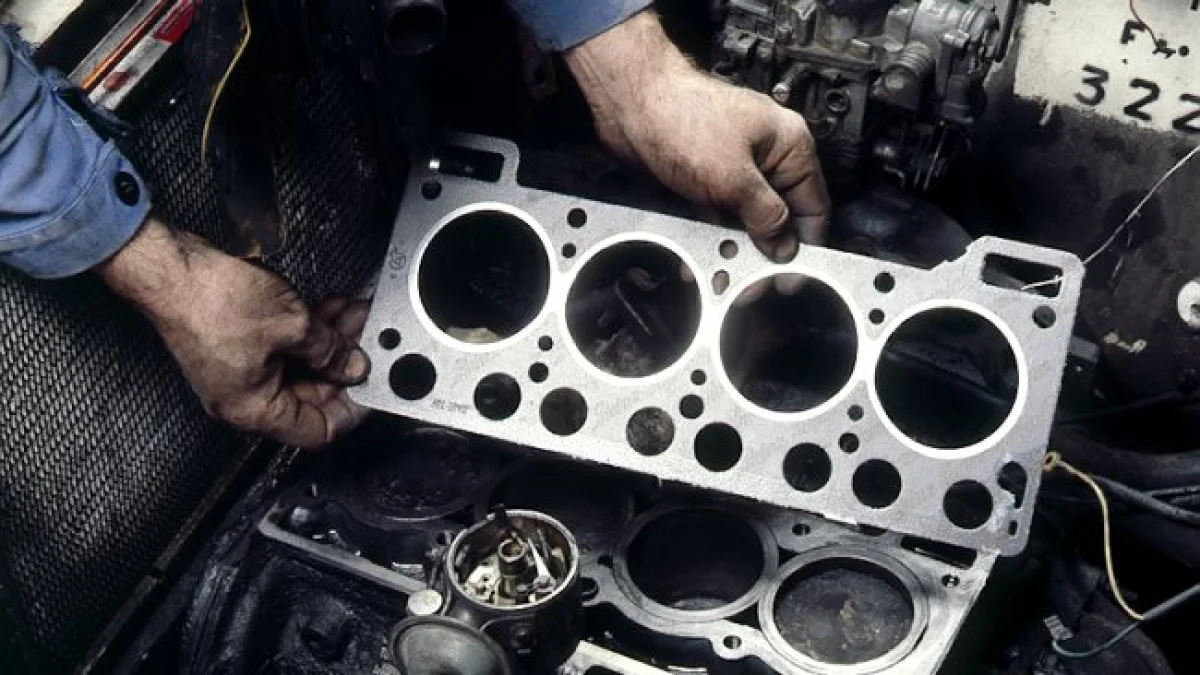
White Smoke and Coolant Loss: Warning Signs of a Blown Head Gasket
Engine overheating or a drop in coolant level may seem like minor issues that can be fixed by simply adding water or letting the engine cool down. However, when these symptoms recur, they could point to a serious problem: a blown head gasket. This is one of those mechanical failures that can quickly escalate into a costly repair if ignored. The head gasket acts as a critical seal between the engine block and the cylinder head. Its job is to maintain compression within the combustion chambers and prevent engine oil from mixing with coolant, or combustion gases from leaking into the cooling system. Once the gasket fails, the engine loses this essential internal barrier, and clear warning signs begin to appear in the vehicle's performance, temperature, and exhaust emissions.
Frequent Overheating and Unexplained Coolant Loss
The most noticeable early sign is an engine that overheats repeatedly, even when the cooling system has sufficient coolant. This symptom suggests an internal failure that prevents the cooling system from operating efficiently, often caused by combustion pressure leaking into the coolant passages or fluid mixing within the engine due to a damaged gasket. If the coolant level keeps dropping without any visible puddle under the car or obvious leaks from hoses or the radiator, the coolant may be seeping into the combustion chambers. In this case, the driver cannot see the leak directly because the fluid is being consumed inside the engine. Persistent coolant loss should never be dismissed as a trivial issue.
White Exhaust Smoke and Oil-Coolant Contamination
Thick white smoke coming from the exhaust is one of the strongest indicators of a blown head gasket. This occurs when coolant enters the combustion chamber and burns along with the air-fuel mixture. It is important to distinguish between light steam that appears on cold mornings and quickly disappears, and continuous, dense white smoke that persists while driving or after the engine warms up. Another serious warning sign is a change in engine oil color or the appearance of foam on the dipstick, or finding an oily film inside the coolant reservoir or radiator. These signs confirm that the seal between the oil passages and coolant channels has failed, which can simultaneously degrade lubrication and cooling efficiency, putting major engine components at risk of severe damage.
Loss of Power and Rough Engine Performance
Drivers may also notice a significant drop in acceleration or a sluggish throttle response as a result of combustion pressure leaking through the failed gasket. This leak reduces the force transmitted to the pistons, directly impacting engine performance and causing it to run inefficiently. Unusual engine vibrations at idle or during acceleration are additional indicators of an internal problem that requires immediate inspection. If any of these symptoms appear, it is strongly recommended to visit a specialized repair shop for accurate diagnosis. Ignoring a blown head gasket can lead to permanent engine damage, potentially requiring a complete engine replacement.
Related News
View All News
Signs of Spark Plug Failure in Your Car Engine — When to Replace Them
Spark plugs are essential engine components, and their failure causes difficulty starting, engine vibration, poor acceleration, and increased fuel consumption. Other signs include an illuminated check engine light and exhaust…

Your Complete Guide to Maintaining Car Tires as Winter Temperatures Drop
As winter approaches and temperatures fall, car tires need extra care to maintain grip and safety. Regular pressure checks, tread depth inspection, crack monitoring, and wheel alignment are essential steps.…
From Paper to Pavement: Inside the Making of a New Car
Developing a new car begins in the design studio with initial sketches that become a 3D digital model and then a full-size clay model. Engineering teams work in parallel to…

Tesla Drops 'Self-Driving' Name in Europe, Calls It 'Driver Assistant'
Tesla has renamed its 'Autopilot' system to 'Tesla Driver Assistant' in Europe after misleading claims. This change follows legal disputes and a retreat from full self-driving promises. In the U.S.,…

Chery Tiggo 9 CSH Survives Brutal Safety Tests: Saltwater Immersion and Underbody Impacts
Chery conducted extreme safety tests on the Tiggo 9 CSH, including a 24-hour saltwater immersion of its high-voltage battery and an underbody scraping test against a solid obstacle. Results showed…