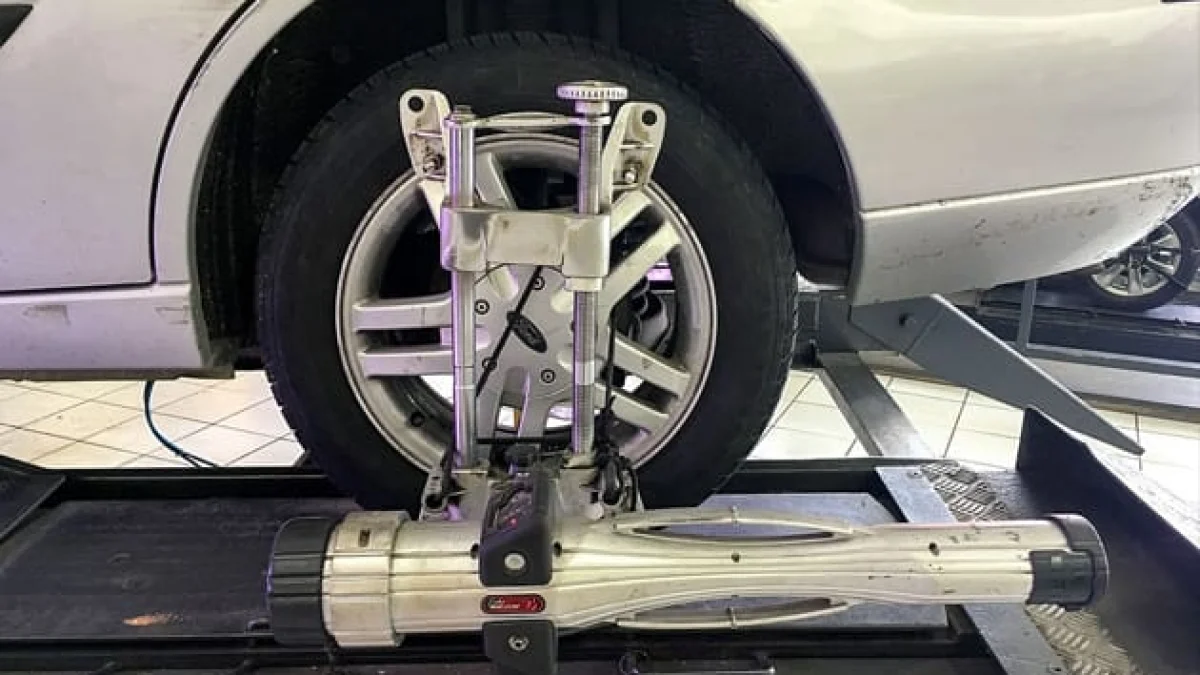
Wheel Balancing Weights: The Tiny Parts That Stop Your Car from Shaking
Wheel balancing weights are small metal pieces that restore balance between the tire and rim, preventing steering wheel vibrations and instability at high speeds. Ignoring unbalanced wheels causes uneven tire wear and premature damage to suspension parts like shock absorbers and bearings. Symptoms include vibrations felt in the steering wheel or seats, often appearing after new tire installation or a hard impact. Weights are either clipped onto steel rims or glued inside modern alloy wheels for a cleaner appearance.
Small metal pieces weighing just a few grams cling to the wheel rim to restore perfect balance to the entire assembly. Wheel balancing weights are easy to overlook, yet their absence or displacement quickly shows up as annoying vibrations in the steering wheel and noticeable instability at higher speeds.
What is the Secret Behind Rim-Mounted Weights?
The purpose of these weights is to compensate for minor variations in mass distribution between the tire and the rim, allowing the wheel to spin evenly around its axis. It sounds straightforward, but the process is precise and relies on specialized measuring equipment found at professional tire shops.
Why Does Any Wheel Need Extra Weight?
Despite the remarkable precision in manufacturing modern tires and rims, weight distribution around the wheel's circumference is never 100% perfect. One section of the tire might be slightly heavier than another, or a small difference might exist between the two sides of the rim itself.
As the wheel spins at high speed, that tiny discrepancy turns into centrifugal force, resulting in a clearly perceptible vibration. This is where the balancing machine comes in, identifying the exact heavy or light spot on the assembly. The technician then attaches a corrective weight at the appropriate location to achieve optimal equilibrium.
How Do You Know Your Wheels Need Balancing?
The most common sign is a vibration felt in the steering wheel at a particular speed, typically becoming more pronounced as the car accelerates. If the issue lies with the front wheels, the driver feels it directly through the wheel. Imbalance in the rear wheels tends to manifest as shaking in the seats or the floor of the vehicle.
Problems also surface after installing new tires, repairing a puncture, hitting a deep pothole with force, or even after an old weight falls off the rim on its own.
What Happens If You Ignore Imbalance?
Vibration isn't just a comfort issue; it's an early warning sign. Continuing to drive on unbalanced wheels leads to irregular and premature wear on the tire tread, significantly shortening its usable lifespan.
More critically, shaking adds repeated stress to the suspension and steering systems, accelerating wear on vital components such as shock absorbers, bearings, and various linkages. The longer the problem is ignored, the higher the eventual repair bill will climb.
Clip-On Weights vs. Adhesive Weights: Which is Better?
There are two common methods for mounting balancing weights. The first uses small clips that attach directly to the outer edge of the rim, a solution widely applied to traditional steel wheels.
Modern alloy rims, however, typically use adhesive-backed weights that stick to the inner surface of the wheel. This method preserves the clean look of the alloy wheel, avoiding ugly marks on the outer edge entirely.
Frequently Asked Questions
3 questions answered
Related News
View All News
Betty Deploys Hydrogen Injection Tech in 104 Vehicles to Cut Emissions by 20%
Betty, a subsidiary of Almarai, has begun deploying hydrogen injection technology across 104 vehicles in its distribution fleet to reduce emissions by up to 20%. The project is in partnership…
Porsche Explores Manual Feel in EV Era: Patent Reveals Real Gearbox with Electric Motor
Porsche has filed a patent for a mechanical gearbox designed for electric motors, featuring two mechanical gear ratios and a real clutch. The original filing dates back to March 2013,…
Not Fully Electric: What Does the PHEV Badge on Some Cars Really Mean?
PHEV cars are plug-in hybrids that combine a petrol engine with an electric motor and a larger battery than traditional hybrids. They can drive on electricity for a set distance…
How to Keep Your Car Battery Alive in Winter: 7 Practical Tips to Avoid Breakdowns
Car batteries are affected by cold winter temperatures, reducing their ability to start the engine. Tips include avoiding short trips, reducing electrical loads, cleaning terminals, turning off devices before leaving,…
Before Changing Your Car Oil: 5 Steps to Choose the Right Type for Your Engine
Choosing the right engine oil depends on the manufacturer's recommendations in the owner's manual, not on price or brand. Viscosity numbers like 5W-30 determine oil performance at different temperatures, and…