Understanding the Check Engine Light: When Is It Normal and When Is It a Serious Warning?
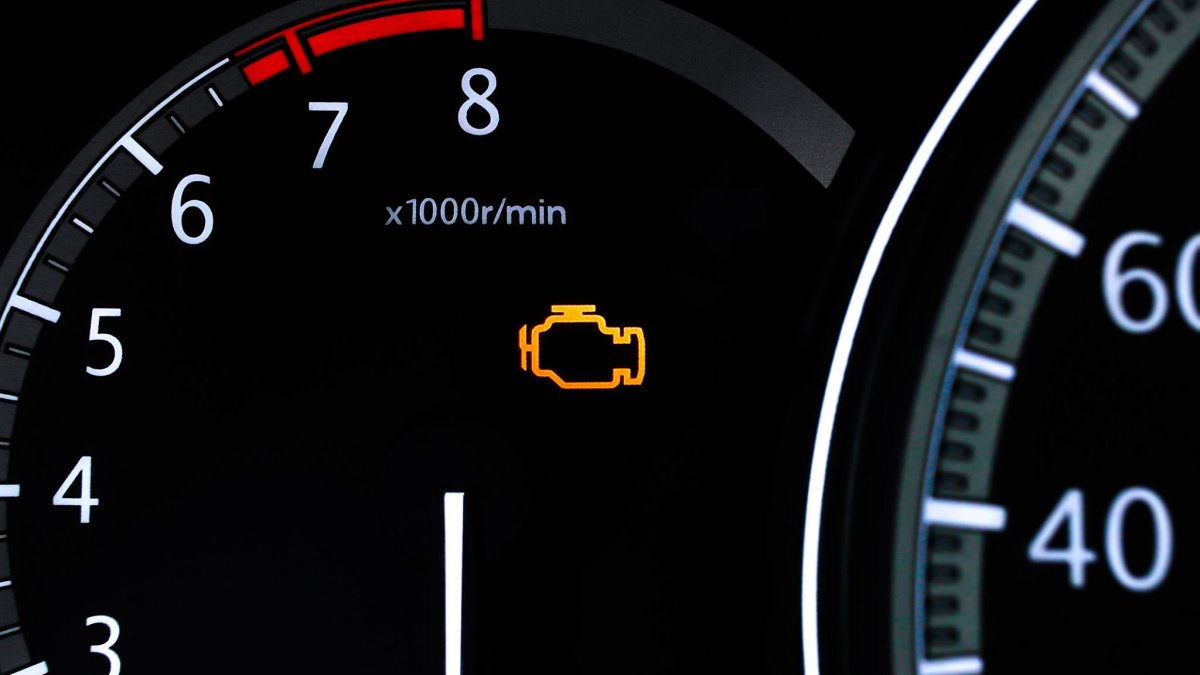
The Check Engine light is one of the most anxiety-inducing signals for drivers, especially when it suddenly illuminates on the dashboard. However, many are unaware that it lighting up for a few moments during startup is perfectly normal in most modern vehicles.
Automotive experts confirm that the car's computer automatically performs a self-test of the electronic systems and sensors when the engine is started. Therefore, the Check Engine light appears for a few seconds as part of this diagnostic routine to ensure the system is functioning correctly.
When Is the Check Engine Light Normal?
If the Check Engine light turns on when you start the car and then disappears after a few seconds, there is usually no problem. This behavior is entirely normal and indicates that the self-diagnostic system is working properly.
This rule also applies to several other warning lights, such as the ABS, battery, and oil pressure lights, which temporarily illuminate during startup and then turn off.
When Does It Become a Warning Sign?
The issue begins when the light remains on after the engine starts or reappears while driving. This indicates that the system has detected a fault in one of the systems related to the engine, emissions, or electronic sensors.
Sometimes the cause is simple, such as a loose fuel cap or a faulty sensor. At other times, it may point to more significant issues within the engine, fuel system, or ignition system.
Steady vs. Flashing Light
Specialists point out that the behavior of the light itself is crucial for diagnosis. A steady light usually means there is a fault that requires inspection but is not an immediate emergency.
However, if the light begins to flash or blink rapidly, it serves as a warning of a severe problem, such as abnormal combustion inside the engine that could damage the catalytic converter or other expensive components. In this case, it is highly recommended to pull over and have the vehicle inspected immediately.
The Importance of Diagnostics and Avoiding Guesswork
Some drivers ignore the Check Engine light as long as the car continues to drive normally, but maintenance experts warn against this, as minor faults can escalate over time.
Therefore, the best course of action is to perform an OBD computer scan to retrieve the exact fault code, rather than guessing or replacing parts randomly.
The Sensitivity of Modern Automotive Technology
Modern vehicles rely on dozens of sensors and electronic control systems, meaning the Check Engine light can trigger for various reasons that are not always related to a major mechanical failure.
Related News
View All News
Key, Gauges, and Mirrors: Familiar Car Details That May Vanish from Your Next Vehicle
Modern cars are rapidly going digital, and traditional features drivers have used for decades are gradually disappearing. Analog instrument clusters are being replaced by screens, start buttons are giving way…

Batteries, Fuel Cells, or Hydrogen Combustion? 3 Technologies Racing for the Future of Cars
Three technologies are competing for the future of automobiles: battery electric vehicles, hydrogen fuel cells, and hydrogen combustion engines. Global EV sales surpassed 20 million units in 2025, roughly a…
Best Engine Oils for Your Car in Summer
As summer temperatures rise, choosing the right engine oil becomes critical to protect your car's engine. Experts recommend full synthetic multi-grade oils like 5W-30 or 10W-40. Trusted brands such as…

Over 1 Billion Connected Cars by 2035 — Can Mobile Networks Keep Up?
Omdia Research projects that connected cars using cellular networks will exceed 1.05 billion by 2035, up from 473.7 million in 2025. The study warns that 4G shutdowns expected from 2030…
Don't Turn Off Your Car's AC This Winter — Experts Explain Why
Germany's TÜV NORD inspection authority recommends running your car's air conditioning at least once a week for 10 minutes, even in cold weather. Regular operation keeps compressor oil and seals…