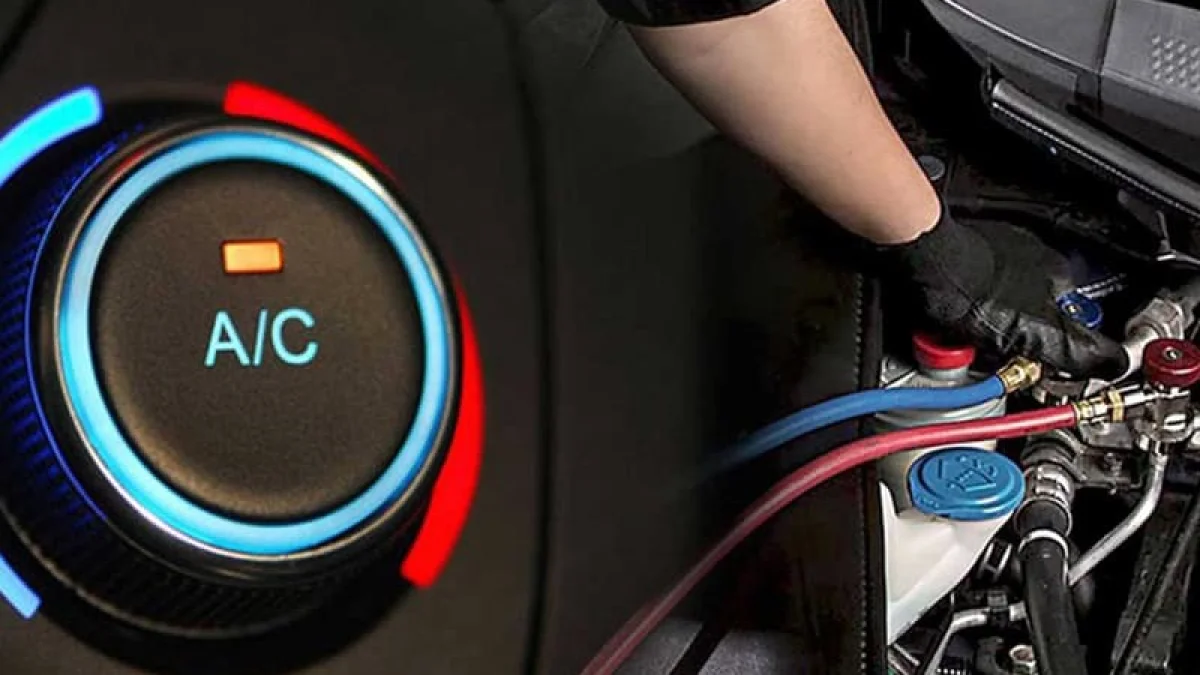
From Weak Cooling to Strange Noises: Warning Signs Your Car AC Is About to Fail
A failing car AC often starts with something subtle that goes unnoticed. The air takes longer to turn cold, or its force isn't what it used to be. Perhaps an unusual smell appears when you switch the system on. But ignoring these signals can turn a limited problem into a more complex and costly repair, especially if the fault spreads to the compressor or other key components of the circuit.
Why Early Attention Matters
As temperatures rise and drivers lean more heavily on their AC systems, paying attention to performance changes becomes a crucial way to catch problems early. The AC system consists of an interconnected set of parts. Any fault in the refrigerant level, airflow, or compressor can directly affect cabin cooling. Early inspection could save you significant money down the road.
Air No Longer Cold as Before
The clearest sign begins when air flows from the vents at a higher temperature than usual, or the system takes too long to cool the cabin. That doesn't necessarily mean the compressor is damaged — the issue could stem from low refrigerant due to a leak, or a problem in the condenser or another part of the circuit.
Simply recharging the system without finding the source of the gas loss is rarely a permanent fix. Many drivers repeat this cycle. The problem becomes more obvious when the AC works fine for a short while after charging, then weakens again — a situation that demands leak inspection rather than repeated refills.
Cold Air, But Barely Reaching You
The AC might produce genuinely cold air while the driver feels the airflow from the vents is weak, even with the fan at maximum speed. The cause could be simpler than most expect, as a clogged cabin air filter packed with dust and debris can noticeably reduce the volume of air passing through the system.
Weak airflow can also point to a problem with the internal blower fan or the air ducts. The distinction between these two issues matters. Don't confuse weak "cooling" with weak "airflow," since each has different causes and requires a different inspection approach.
Unfamiliar Noises on Activation
An odd sound appearing the moment you press the AC button deserves attention, particularly if it resembles knocking, grinding, or whistling and recurs while the unit runs — then stops when you shut it off. These noises may indicate a problem with one of the moving parts inside the system.
Regular AC maintenance helps avoid costly surprises, especially before summer arrives. Preventive care is always cheaper than emergency repairs.
Related News
View All News
Key, Gauges, and Mirrors: Familiar Car Details That May Vanish from Your Next Vehicle
Modern cars are rapidly going digital, and traditional features drivers have used for decades are gradually disappearing. Analog instrument clusters are being replaced by screens, start buttons are giving way…

Batteries, Fuel Cells, or Hydrogen Combustion? 3 Technologies Racing for the Future of Cars
Three technologies are competing for the future of automobiles: battery electric vehicles, hydrogen fuel cells, and hydrogen combustion engines. Global EV sales surpassed 20 million units in 2025, roughly a…
Best Engine Oils for Your Car in Summer
As summer temperatures rise, choosing the right engine oil becomes critical to protect your car's engine. Experts recommend full synthetic multi-grade oils like 5W-30 or 10W-40. Trusted brands such as…

Over 1 Billion Connected Cars by 2035 — Can Mobile Networks Keep Up?
Omdia Research projects that connected cars using cellular networks will exceed 1.05 billion by 2035, up from 473.7 million in 2025. The study warns that 4G shutdowns expected from 2030…
Don't Turn Off Your Car's AC This Winter — Experts Explain Why
Germany's TÜV NORD inspection authority recommends running your car's air conditioning at least once a week for 10 minutes, even in cold weather. Regular operation keeps compressor oil and seals…