A Two-Minute Engine Oil Check Can Prevent Costly Engine Damage and Improve Performance
Engine oil is one of the most important components in maintaining a vehicle's efficiency and ensuring reliable engine performance. Its primary role is to lubricate moving internal parts, reduce friction, lower operating temperatures, minimize engine noise, and protect critical engine components from premature wear. Automotive specialists emphasize that proper engine oil maintenance extends beyond scheduled oil changes and includes checking the oil level regularly to help maintain performance and reduce the risk of expensive mechanical failures.
Why Regular Oil Level Checks Matter
Automotive experts recommend inspecting the engine oil level on a routine basis rather than waiting until the next scheduled oil change. A low oil level can lead to serious internal engine damage, increased operating temperatures, and reduced efficiency while driving. According to technical recommendations, drivers should check the engine oil approximately every 1,000 kilometers or before setting off on long-distance trips. It is also essential to follow the manufacturer's instructions provided in the vehicle owner's manual, as those guidelines specify the recommended inspection intervals and the correct oil specifications.
How to Check Engine Oil Correctly
Performing an accurate engine oil inspection begins by parking the vehicle on a level surface. The engine should then be switched off and allowed to cool for several minutes before removing the dipstick. After wiping it clean, the dipstick should be reinserted fully and removed again to confirm that the oil level sits between the minimum and maximum markings. Following these simple steps helps ensure an accurate reading before any corrective action is taken.
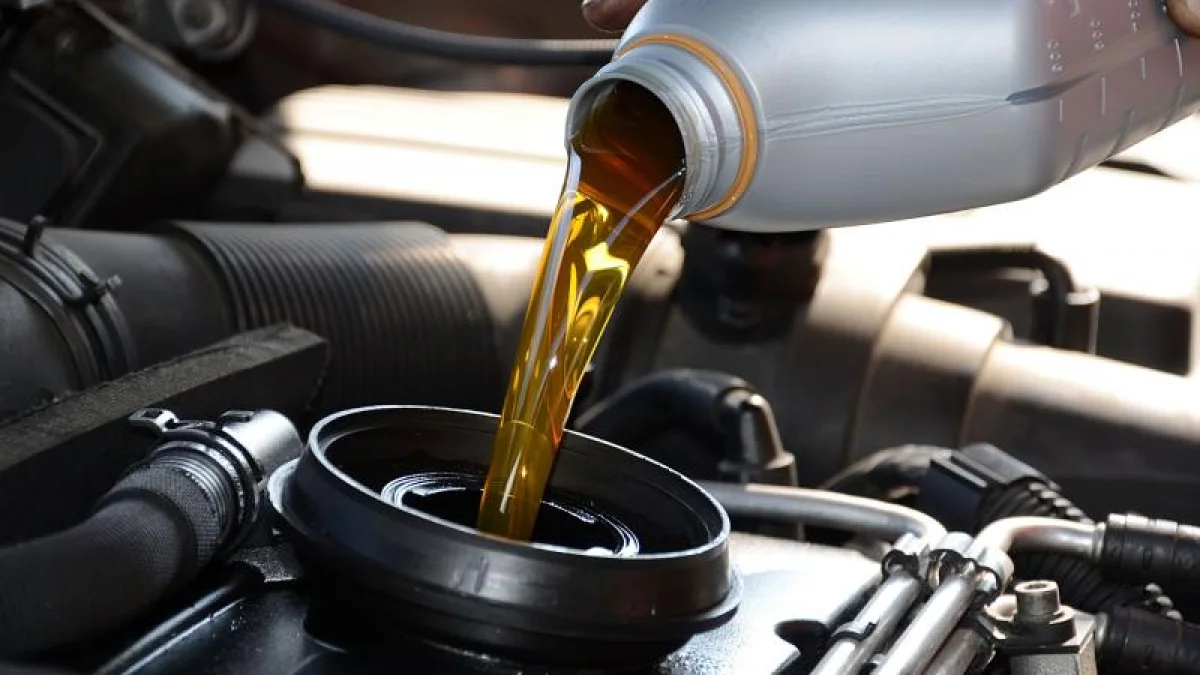
If the engine oil level is below the recommended mark, the engine should be topped up using oil that matches the specifications recommended by the vehicle manufacturer. Mixing different oil types or viscosity grades should be avoided unless advised by a specialized service center. Experts also recommend checking the oil's color and smell during the inspection, as excessive discoloration or a burnt odor may indicate a problem requiring technical inspection. Although the entire procedure takes only a few minutes, it plays a significant role in extending engine life, improving overall vehicle performance, reducing the likelihood of unexpected breakdowns, and helping owners avoid costly engine repairs caused by insufficient engine oil.
Related News
View All News
Signs of Spark Plug Failure in Your Car Engine — When to Replace Them
Spark plugs are essential engine components, and their failure causes difficulty starting, engine vibration, poor acceleration, and increased fuel consumption. Other signs include an illuminated check engine light and exhaust…

Your Complete Guide to Maintaining Car Tires as Winter Temperatures Drop
As winter approaches and temperatures fall, car tires need extra care to maintain grip and safety. Regular pressure checks, tread depth inspection, crack monitoring, and wheel alignment are essential steps.…

From Paper to Pavement: Inside the Making of a New Car
Developing a new car begins in the design studio with initial sketches that become a 3D digital model and then a full-size clay model. Engineering teams work in parallel to…

Tesla Drops 'Self-Driving' Name in Europe, Calls It 'Driver Assistant'
Tesla has renamed its 'Autopilot' system to 'Tesla Driver Assistant' in Europe after misleading claims. This change follows legal disputes and a retreat from full self-driving promises. In the U.S.,…

Chery Tiggo 9 CSH Survives Brutal Safety Tests: Saltwater Immersion and Underbody Impacts
Chery conducted extreme safety tests on the Tiggo 9 CSH, including a 24-hour saltwater immersion of its high-voltage battery and an underbody scraping test against a solid obstacle. Results showed…