Baidu Trains Robotaxis on 100,000 Virtual Kilometers Daily
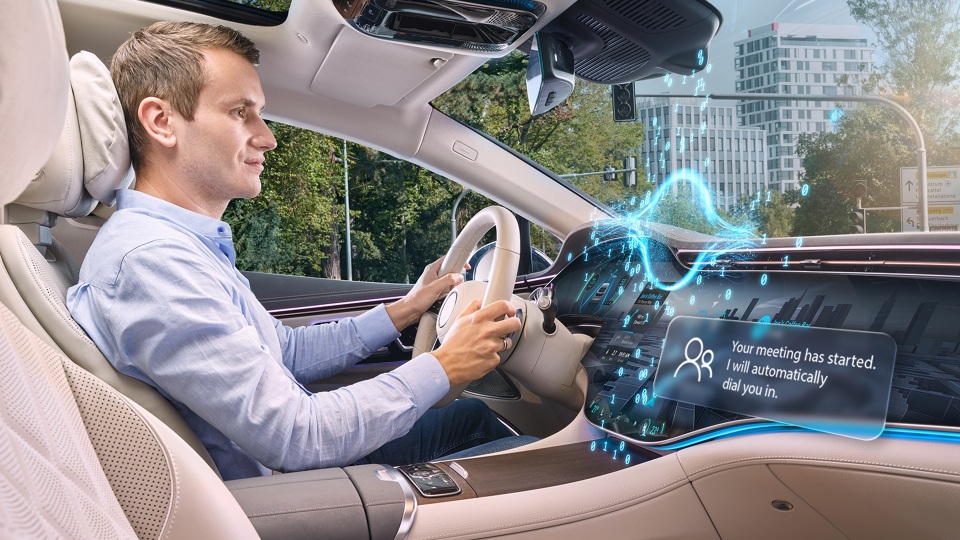
Baidu has launched Apollo World, a virtual simulation system for training robotaxis. The system generates 100,000 virtual kilometers per day, equivalent to roughly three years of real-world testing. The tech is already used in Baidu's Apollo Go robotaxi fleet as part of a broader race to cut development costs. An October 2026 scientific review warned that virtual-world results don't always reflect reality.
Baidu has launched Apollo World, a new simulation system designed to train robotaxis and predict how their surroundings change, the Chinese tech giant announced this November. The system can generate up to 100,000 kilometers of virtual driving per day — equivalent to roughly three years of real-world testing for a robotaxi with a safety driver. The number is staggering.
How Baidu's Apollo World Simulation Works
The core idea relies on virtual worlds that replicate streets, vehicles. Pedestrians, training AI systems on scenarios too dangerous to test safely in reality. What does that mean in practice? Apollo World produces multimodal data, including camera feeds and LiDAR sensor readings, so driving systems can perceive and interact with the virtual environment. That data is the real fuel behind any new car built for autonomous driving.
Baidu confirms the technology is already being used to train its Apollo Go robotaxi fleet, part of a broader race among tech companies to cut development costs and accelerate deployment. The competition is fierce. Every player is hunting for ways to reduce reliance on costly, slow real-world testing, making virtual simulation a decisive competitive weapon.
What the Car Learns Inside the Virtual World
Simulation recreates congested streets, weather shifts, sudden pedestrian appearances. Changing vehicle paths, then repeats the same scenario dozens or thousands of times with adjusted conditions each run. This lets developers test whether the AI can detect hazards, predict others' movements. Choose the right action — without putting drivers or pedestrians at risk. No danger on real roads.
Yet the picture isn't entirely rosy. An October 2026 scientific review analyzing 235 studies on automated driving system testing confirmed simulation's value in reproducing rare and dangerous situations, but warned that virtual-world results don't always reflect reality. The caution matters. The gap between simulation and the real street remains the biggest challenge facing widespread adoption of robotaxis.
Frequently Asked Questions
3 questions answered
Related News
View All News
Long Idling Warm-Up Ruins Your Engine — The Right Way Is to Drive Off After Seconds
Idling your car for long periods is no longer necessary for most modern vehicles with electronic fuel injection systems. According to AAA guidelines, a few seconds of engine operation is…

From Reckless Driving to Saving Lives: GTA Game Helps AI Develop Accident-Avoiding Cars
Researchers from universities worldwide are using GTA V to test human behavior and develop technologies that warn of road hazards, as well as train AI systems to avoid collisions. A…
Toyota Combines Professional Driver Expertise with AI to Advance Assisted Driving
Toyota has unveiled a plan to integrate real-world driving data and professional driver expertise with AI to develop advanced driver assistance systems. The company aims to deliver L2++ technology in…
Your Tesla Hides 5 Features That Change Everything — One Locks It Even With the Key
Tesla vehicles include five hidden software features most owners overlook, led by PIN to Drive, which prevents driving even with the original key. The list also includes Glovebox PIN for…
Mercedes Unveils Holo Display: The Windshield That Becomes a Targeted Holographic Screen
Mercedes-Benz is developing Holo Display, a technology that turns the windshield into a transparent holographic screen displaying information to specific occupants inside the car. The system uses a projector integrated…