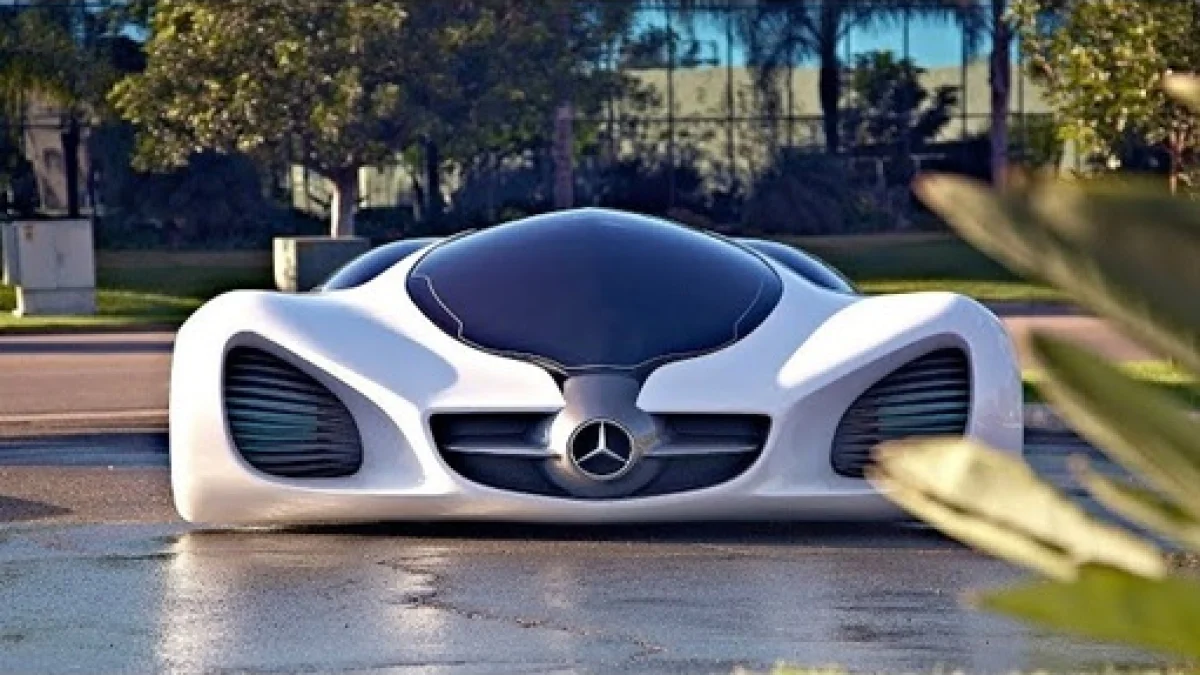
Batteries, Fuel Cells, or Hydrogen Combustion? 3 Technologies Racing for the Future of Cars
Three technologies are competing for the future of automobiles: battery electric vehicles, hydrogen fuel cells, and hydrogen combustion engines. Global EV sales surpassed 20 million units in 2025, roughly a quarter of all new car sales worldwide. The Hyundai NEXO offers a declared range of 826 kilometres with a five-minute refuelling time, while Toyota and BMW are pursuing hydrogen combustion engines. Adoption, infrastructure, and cost will determine the ultimate winner.
Battery electric vehicles surpassed 20 million units sold in 2025. That number alone puts them at the front of the automotive technology race, yet the future is far from settled. BMW, Toyota, and Hyundai are still betting on hydrogen — but in two radically different ways: fuel cells and combustion engines that burn hydrogen instead of petrol.
Battery Electric Vehicles Lead the Pack Right Now
A conventional electric car relies on a large battery that stores electricity, then sends it directly to an electric motor that drives the wheels. The advantage of this technology is clear in its ubiquity — thousands of charging points exist across global markets, with hundreds of models available to buyers. Cars like the BMW i7 now offer ranges exceeding 600 and 700 kilometres under test conditions. But the main challenges remain charging time, battery weight, cost. The availability of robust charging infrastructure in all regions. The International Energy Agency notes that the global average range for EVs currently hovers around 380 kilometres, alongside rapid expansion of charging infrastructure on long-distance routes.
Hydrogen Fuel Cells: Electric Without the Big Battery
A hydrogen fuel-cell vehicle is essentially an electric car too, but instead of storing large amounts of electricity in a battery, it carries hydrogen tanks and generates electricity on board. Hydrogen enters the fuel cell and reacts with oxygen, producing electricity to power the electric motor, with water as the primary direct output. The modern Hyundai NEXO reveals the key advantage of this technology, with a declared range in Europe of around 826 kilometres, while hydrogen tanks can be refilled in roughly five minutes. The figure is striking. Yet the problem lies in the scarcity of hydrogen refuelling stations and weak global infrastructure so far.
Hydrogen Combustion Engines: A Completely Different Path
There is a third route being pursued by Toyota and BMW — combustion engines that use hydrogen instead of petrol. These engines retain roughly the same architecture as conventional motors but burn hydrogen directly to generate power. The advantage here is that manufacturers can leverage their existing production lines without a complete rebuild. Is that enough to attract consumers? So far, no hydrogen combustion models exist in wide commercial volumes, but experiments continue in Europe and Japan.
What Determines the Winner?
Adoption, infrastructure, and cost. These three factors will decide which technology imposes itself in the long run. Battery cars are marching steadily toward dominance, but hydrogen fuel cells may find a niche in specific sectors like heavy trucks and long-range commercial vehicles. IEA data shows EV sales reached about a quarter of global new car sales in 2025. Expansion continues with more models and charging stations coming online. For now, no single option eliminates the others, but the competition between these three technologies will shape the BMW prices, Toyota. Hyundai markets in the years ahead.
Frequently Asked Questions
3 questions answered
Related News
View All News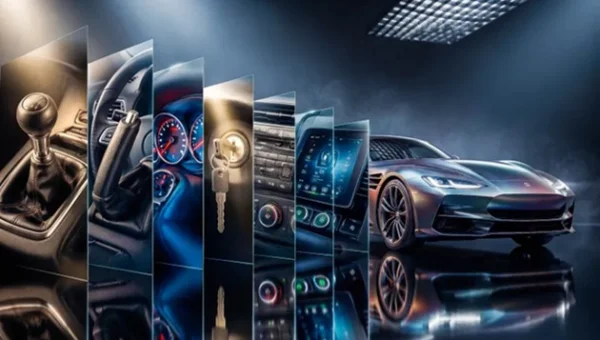
Key, Gauges, and Mirrors: Familiar Car Details That May Vanish from Your Next Vehicle
Modern cars are rapidly going digital, and traditional features drivers have used for decades are gradually disappearing. Analog instrument clusters are being replaced by screens, start buttons are giving way…
Best Engine Oils for Your Car in Summer
As summer temperatures rise, choosing the right engine oil becomes critical to protect your car's engine. Experts recommend full synthetic multi-grade oils like 5W-30 or 10W-40. Trusted brands such as…
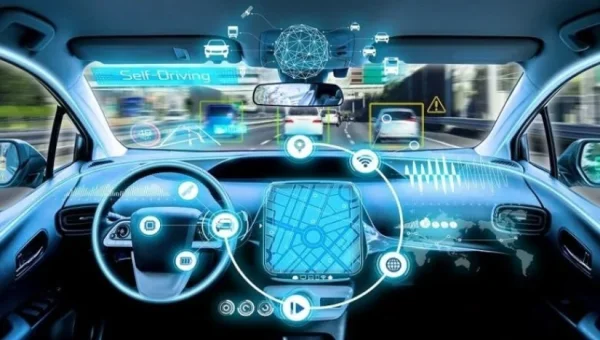
Over 1 Billion Connected Cars by 2035 — Can Mobile Networks Keep Up?
Omdia Research projects that connected cars using cellular networks will exceed 1.05 billion by 2035, up from 473.7 million in 2025. The study warns that 4G shutdowns expected from 2030…

Don't Turn Off Your Car's AC This Winter — Experts Explain Why
Germany's TÜV NORD inspection authority recommends running your car's air conditioning at least once a week for 10 minutes, even in cold weather. Regular operation keeps compressor oil and seals…
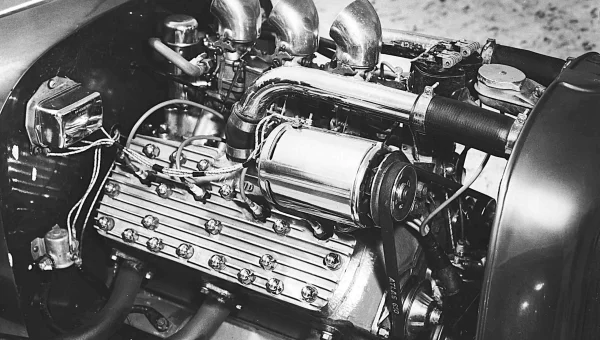
Ford X-8: The Strange 14-Inch, 30-HP Engine That Almost Changed History
In the 1920s, Ford developed the X-8, an eight-cylinder engine with an X-shaped design as part of a secret project for a Model T replacement. The engine measured 14 inches…