Tesla Cybercab Launches in Austin: A Driverless Robotaxi With No Steering Wheel
Tesla has officially launched its Cybercab robotaxi service in Austin, Texas, using a purpose-built vehicle with no steering wheel or pedals. The two-seater relies entirely on cameras and software rather than lidar, with 45 cars operating at launch. The service previously used Model Y vehicles before transitioning to the dedicated Cybercab platform. Regulatory challenges remain due to the absence of traditional driver controls in a production vehicle.
Tesla Cybercab has begun carrying passengers in limited areas of Austin, Texas, finally moving from promise to reality after years of anticipation. The vehicle was designed from the ground up as an autonomous taxi, with no steering wheel, brake pedal, or accelerator inside. It's one of the boldest experiments in the autonomous transport sector, pushing the boundaries of what a production robotaxi can look like.
Two Seats, Two Doors, Zero Driver Controls
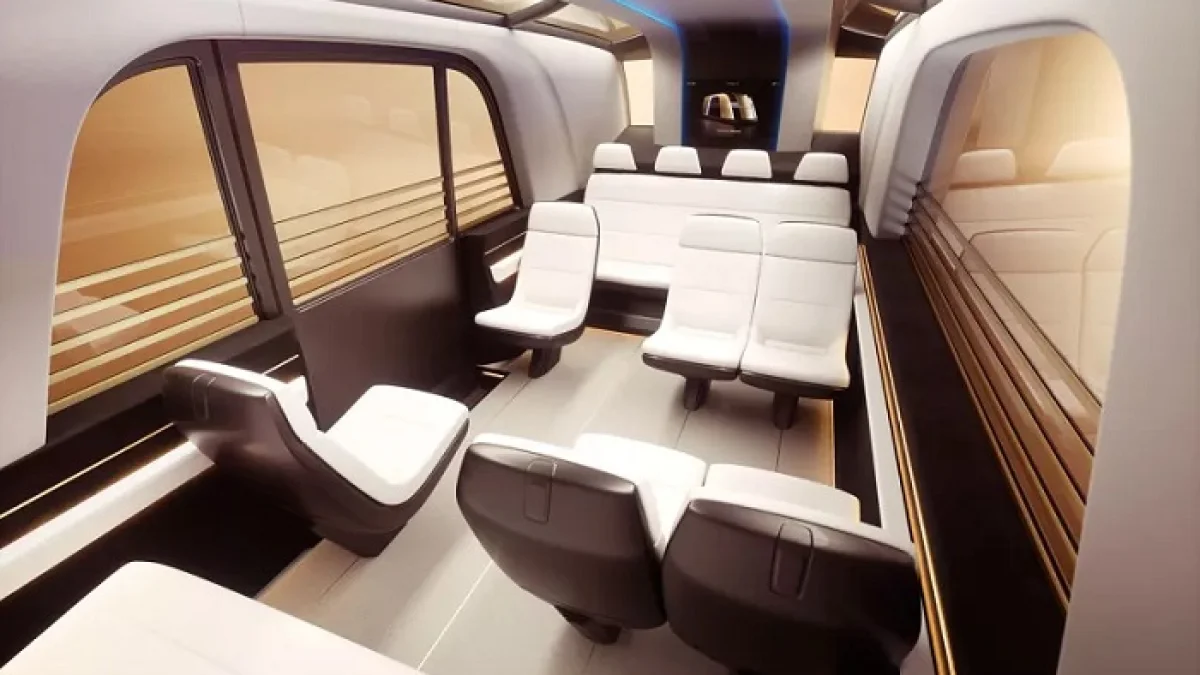
Inside the Tesla Cybercab, passengers find two seats and a massive central display for controlling trip functions and entertainment. The golden exterior features upward-opening doors that give the cabin an unmistakable futuristic character. Cargo space accommodates two full-size suitcases plus two carry-on bags, while the absence of driving hardware opens up design possibilities that traditional cabins simply can't offer.
The difference is substantial. This isn't a retrofitted conventional car with autonomous software bolted on. Instead, the Cybercab originates as a dedicated mobility platform where the human driver is absent from the very first sketch. That philosophical shift separates it from rivals that still place a safety driver behind a wheel during testing or early deployment.
Cameras Replace Lidar in Tesla's Vision
Tesla relies on a camera-based vision system supported by advanced software, deliberately avoiding the lidar sensors used by competing robotaxi developers. The company claims the cameras and sensors handle city streets, intersections, highways, and parking lots autonomously. But the current rollout remains geographically restricted. Remote monitoring teams supervise operations to ensure ride safety during this early phase.
Roughly 45 Cybercab units were operational in the Texas fleet at launch time. It's a modest number, but the figure marks a genuine operational debut rather than another closed demo. The company now plans gradual expansion of its autonomous taxi network while refining the software through real-world trip data collected from these vehicles.
Regulatory Hurdles Ahead for Robotaxi Service
Austin previously hosted Tesla ride-hailing using Model Y vehicles before the purpose-built Tesla Cybercab joined the fleet. That transition matters because it moves the project from an adapted production car to a machine with no human control interfaces at all. US safety regulations were historically written around the assumption that every vehicle has a steering wheel and pedals, creating a compliance puzzle that Tesla must solve city by city. The positive reception in Austin suggests local regulators are willing to engage with the technology, provided real-world safety data remains convincing throughout the operation.
Frequently Asked Questions
3 questions answered
Related News
View All News
Why Carmakers Advise Against Using 95 Octane in Engines Designed for 92
Using 95 octane in an engine designed for 92 delivers no extra power, despite a widespread belief among drivers. Automakers determine the correct fuel based on compression ratio, ignition timing…

Signs of Spark Plug Failure in Your Car Engine — When to Replace Them
Spark plugs are essential engine components, and their failure causes difficulty starting, engine vibration, poor acceleration, and increased fuel consumption. Other signs include an illuminated check engine light and exhaust…
Your Complete Guide to Maintaining Car Tires as Winter Temperatures Drop
As winter approaches and temperatures fall, car tires need extra care to maintain grip and safety. Regular pressure checks, tread depth inspection, crack monitoring, and wheel alignment are essential steps.…
From Paper to Pavement: Inside the Making of a New Car
Developing a new car begins in the design studio with initial sketches that become a 3D digital model and then a full-size clay model. Engineering teams work in parallel to…
Tesla Drops 'Self-Driving' Name in Europe, Calls It 'Driver Assistant'
Tesla has renamed its 'Autopilot' system to 'Tesla Driver Assistant' in Europe after misleading claims. This change follows legal disputes and a retreat from full self-driving promises. In the U.S.,…