Software Becomes the New Competitive Edge in the Automotive Industry
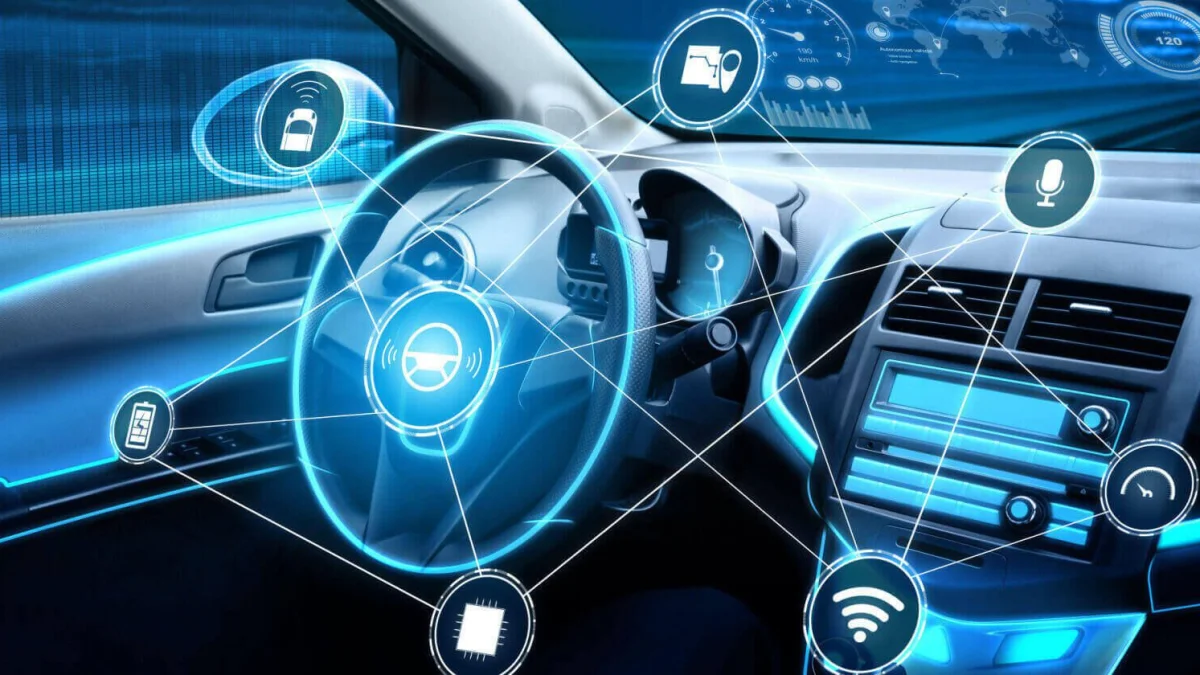
For more than a century, vehicles were primarily evaluated by factors such as engine performance, fuel efficiency, and acceleration. Today, however, the automotive industry is undergoing a rapid digital transformation that is redefining those standards. Software, artificial intelligence, and continuous over-the-air updates are now becoming just as important as traditional mechanical components, fundamentally changing how modern vehicles are developed, evaluated, and experienced.
Software-Defined Vehicles Are Reshaping Car Ownership
Industry reports indicate that automakers are increasingly embracing the concept of Software-Defined Vehicles (SDVs), a new generation of vehicles that rely on software to improve functionality and introduce new features even after leaving the production line. This evolution represents a major shift in the ownership experience, allowing vehicles to continue evolving throughout their lifecycle rather than remaining fixed at the moment of purchase.
Unlike conventional vehicles that relied on separate electronic control units for individual functions, modern software-defined vehicles are built on a unified digital architecture. This enables manufacturers to update driving systems, enhance overall performance, and introduce new capabilities through online software updates without replacing physical components. According to an analysis published by Boston Consulting Group (BCG), software has become one of the most significant sources of value in modern vehicles, particularly with the rapid growth of electric vehicles and intelligent driving systems. As a result, manufacturers are increasingly redesigning vehicles from the inside out, prioritizing digital architecture alongside mechanical engineering.
Billions Invested as Software Drives the Next Stage of Competition
The industry's growing investment in software extends far beyond adding larger infotainment displays or more advanced voice assistants. The primary objective is to build vehicles capable of continuous improvement throughout their operational life. Volkswagen, Mercedes-Benz, and General Motors have all announced substantial investments in developing in-house software platforms, while Toyota and Volvo Cars have established dedicated software engineering and digital systems teams to accelerate vehicle development and reduce dependence on external suppliers.
Industry analysis also highlights that competition is no longer limited to building a mechanically capable vehicle. Instead, manufacturers are increasingly competing to deliver a complete digital experience that can be continuously enhanced through software updates. Technology companies are also playing a central role in this transformation. NVIDIA DRIVE provides advanced computing capabilities for intelligent driving systems, while Qualcomm's Snapdragon Digital Chassis platform supports connectivity, infotainment, and driving technologies. Together, these developments illustrate how software is rapidly becoming one of the defining competitive advantages shaping the future of the global automotive industry.
Related News
View All News
Signs of Spark Plug Failure in Your Car Engine — When to Replace Them
Spark plugs are essential engine components, and their failure causes difficulty starting, engine vibration, poor acceleration, and increased fuel consumption. Other signs include an illuminated check engine light and exhaust…

Your Complete Guide to Maintaining Car Tires as Winter Temperatures Drop
As winter approaches and temperatures fall, car tires need extra care to maintain grip and safety. Regular pressure checks, tread depth inspection, crack monitoring, and wheel alignment are essential steps.…
From Paper to Pavement: Inside the Making of a New Car
Developing a new car begins in the design studio with initial sketches that become a 3D digital model and then a full-size clay model. Engineering teams work in parallel to…
Tesla Drops 'Self-Driving' Name in Europe, Calls It 'Driver Assistant'
Tesla has renamed its 'Autopilot' system to 'Tesla Driver Assistant' in Europe after misleading claims. This change follows legal disputes and a retreat from full self-driving promises. In the U.S.,…
Chery Tiggo 9 CSH Survives Brutal Safety Tests: Saltwater Immersion and Underbody Impacts
Chery conducted extreme safety tests on the Tiggo 9 CSH, including a 24-hour saltwater immersion of its high-voltage battery and an underbody scraping test against a solid obstacle. Results showed…