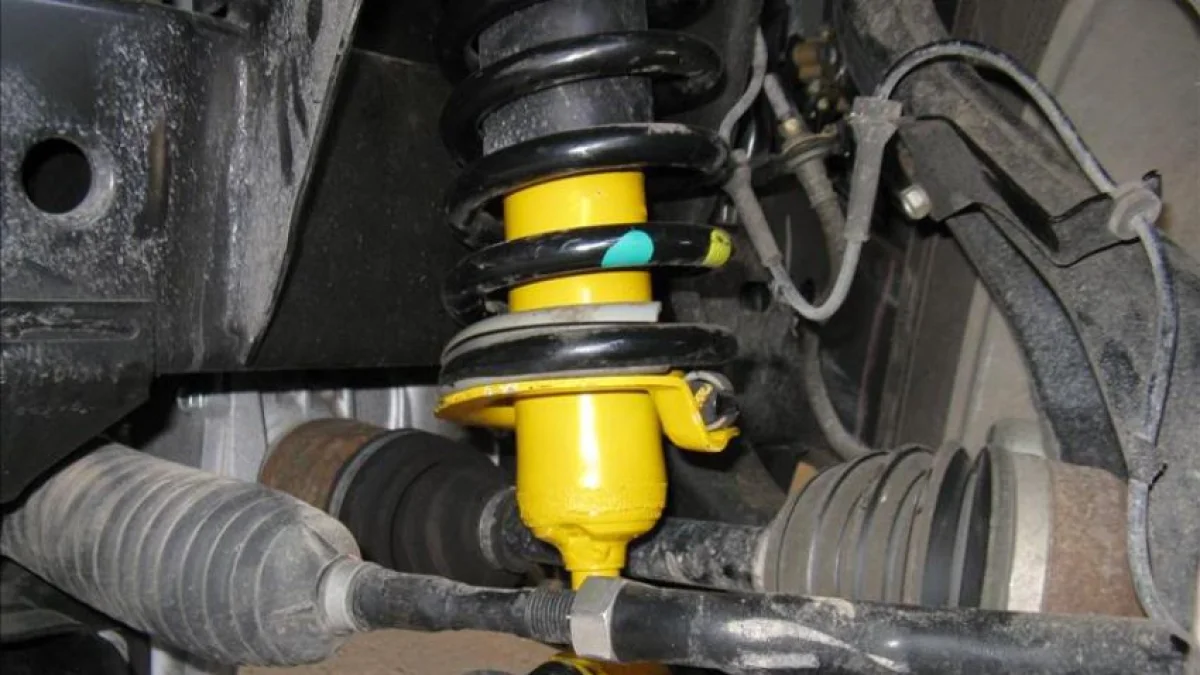
5 Signs Your Car's Shock Absorbers Are Failing, According to an Expert
Shock absorbers, commonly known as "struts" or "dampers," are vital components of a vehicle's suspension system. They play a crucial role in maintaining stability, road grip, and overall driving comfort and safety. However, their gradual deterioration often goes unnoticed by many drivers, leading to reduced vehicle control and increased safety risks. This report highlights five key signs that indicate failing shock absorbers, based on expert insights.
Steering Wheel Vibration and Unusual Noises
An automotive mechanical expert explained that one of the first warning signs is a vibrating steering wheel or erratic steering behavior while driving. Additionally, hearing clunking or rattling noises when going over bumps or on uneven roads indicates reduced shock absorber efficiency in absorbing impacts. These sounds and vibrations compromise the driving experience, making it less smooth and more fatiguing for the driver.
Uneven Tire Wear
The expert added that uneven tire wear is a prominent indicator of failing shock absorbers, resulting from uneven pressure distribution across the wheels. This causes specific parts of the tire to wear out faster than usual, leading to premature tire replacement and added costs. Regular shock absorber inspection can protect tires from early damage and save drivers unnecessary expenses.
Oil Leaks on the Shock Absorber Body
Another clear sign is the presence of oil leaks on the shock absorber body. This leakage points to an internal failure within the damper, requiring immediate inspection and replacement if it has lost its effectiveness. Ignoring this sign can worsen the problem and affect other suspension components.
Nose Diving During Braking and Reduced Cornering Stability
Other critical signs include the car's front end diving when braking or one side of the vehicle sagging, reflecting the shock absorber's weakened ability to control suspension movement, thus affecting vehicle balance. Reduced stability during cornering and increased stopping distances are also important indicators, as damaged shock absorbers decrease tire-road contact, raising the risk of skidding, especially on wet roads.
The expert emphasized that the primary function of shock absorbers is to maintain continuous tire contact with the road surface and absorb vibrations from bumps and irregularities, directly impacting safety and ride quality. He recommended performing the first shock absorber inspection at around 80,000 kilometers, then repeating the inspection every 20,000 kilometers to ensure suspension system integrity, maintain vehicle stability, and prevent damage to other components that may be affected by weak dampers. By following these guidelines, drivers can keep their vehicles in optimal condition and avoid sudden breakdowns.
Related News
View All News
Signs of Spark Plug Failure in Your Car Engine — When to Replace Them
Spark plugs are essential engine components, and their failure causes difficulty starting, engine vibration, poor acceleration, and increased fuel consumption. Other signs include an illuminated check engine light and exhaust…

Your Complete Guide to Maintaining Car Tires as Winter Temperatures Drop
As winter approaches and temperatures fall, car tires need extra care to maintain grip and safety. Regular pressure checks, tread depth inspection, crack monitoring, and wheel alignment are essential steps.…

From Paper to Pavement: Inside the Making of a New Car
Developing a new car begins in the design studio with initial sketches that become a 3D digital model and then a full-size clay model. Engineering teams work in parallel to…

Tesla Drops 'Self-Driving' Name in Europe, Calls It 'Driver Assistant'
Tesla has renamed its 'Autopilot' system to 'Tesla Driver Assistant' in Europe after misleading claims. This change follows legal disputes and a retreat from full self-driving promises. In the U.S.,…

Chery Tiggo 9 CSH Survives Brutal Safety Tests: Saltwater Immersion and Underbody Impacts
Chery conducted extreme safety tests on the Tiggo 9 CSH, including a 24-hour saltwater immersion of its high-voltage battery and an underbody scraping test against a solid obstacle. Results showed…