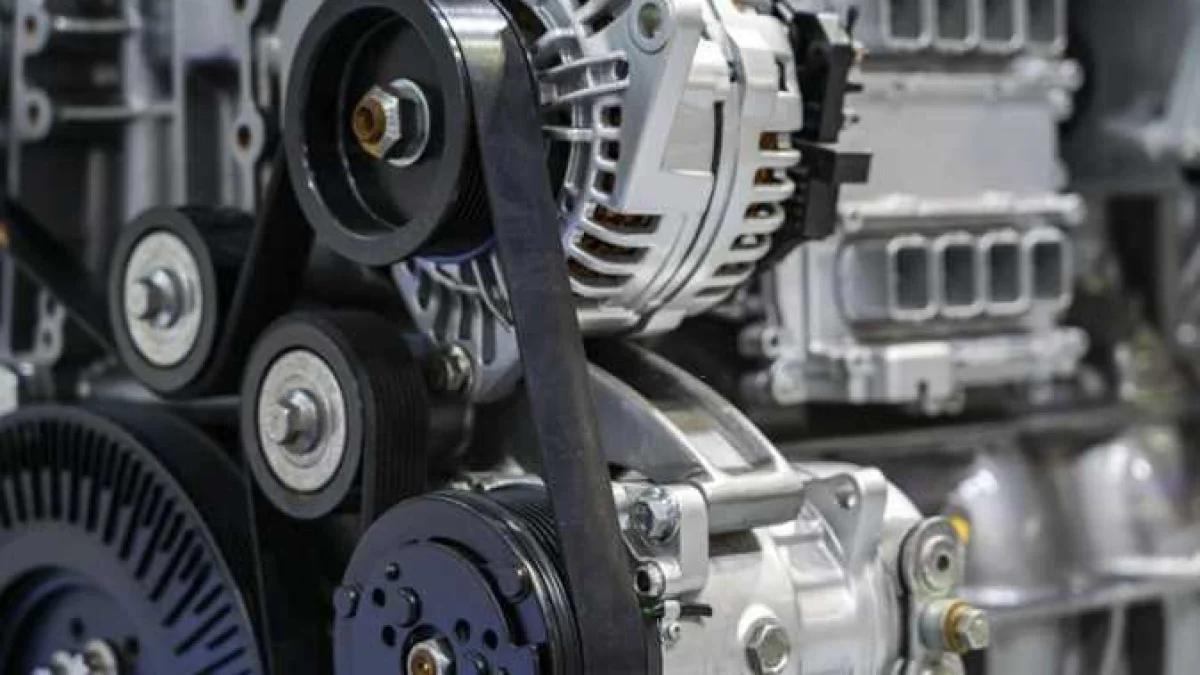
Warning Signs of a Failing Serpentine Belt – Don’t Wait for It to Snap
The serpentine belt, often referred to as the engine drive belt, is a critical component that powers numerous essential systems within a vehicle. Neglecting to inspect or replace it on time can lead to costly breakdowns and even sudden engine stalling while driving, posing a serious safety risk.
What Does the Serpentine Belt Do?
This belt transfers rotational energy from the engine's crankshaft to key accessories such as the alternator, which charges the battery, the water pump that regulates engine temperature, and the air conditioning compressor that cools the cabin. In many modern vehicles, the serpentine belt also drives components of the timing system inside the engine, making its integrity vital for the smooth and efficient operation of these systems.
Key Symptoms of a Worn or Damaged Belt
Several warning signs alert drivers to inspect the serpentine belt. The most common include a squealing or chirping noise coming from the engine bay, visible cracks or fraying on the belt's surface, and a loose or vibrating belt during operation. Other indicators are reduced air conditioning performance or complete system failure, the battery warning light illuminating due to an underperforming alternator, engine overheating if the water pump stops circulating coolant, and difficulty steering in models where the belt drives the power steering pump.
When Should You Replace the Serpentine Belt?
The lifespan of a serpentine belt varies by vehicle make and manufacturer recommendations. However, most experts advise inspecting it during every routine service and replacing it typically between 60,000 and 100,000 kilometers, or immediately upon noticing any signs of wear or cracking. For the timing belt, which is separate but equally critical, strict adherence to the replacement intervals specified in the owner's manual is essential. A broken timing belt can cause catastrophic engine damage, such as pistons striking valves, leading to repair costs that can run into tens of thousands of Egyptian pounds.
Proactive Maintenance Tips to Extend Belt Life
To maximize the serpentine belt's service life and prevent unexpected failures, experts recommend visually inspecting the belt during every scheduled maintenance, ensuring proper belt tension, and promptly repairing any oil or coolant leaks that could degrade the rubber. Replacing the tensioner and idler pulleys as advised by the service center is also crucial, along with using only genuine or OEM-approved replacement parts. Specialists emphasize that the cost of replacing a serpentine belt is minimal compared to the extensive damage neglect can cause, making adherence to a regular maintenance schedule the most effective strategy for protecting the engine and avoiding expensive repairs.
Related News
View All News
Signs of Spark Plug Failure in Your Car Engine — When to Replace Them
Spark plugs are essential engine components, and their failure causes difficulty starting, engine vibration, poor acceleration, and increased fuel consumption. Other signs include an illuminated check engine light and exhaust…

Your Complete Guide to Maintaining Car Tires as Winter Temperatures Drop
As winter approaches and temperatures fall, car tires need extra care to maintain grip and safety. Regular pressure checks, tread depth inspection, crack monitoring, and wheel alignment are essential steps.…
From Paper to Pavement: Inside the Making of a New Car
Developing a new car begins in the design studio with initial sketches that become a 3D digital model and then a full-size clay model. Engineering teams work in parallel to…

Tesla Drops 'Self-Driving' Name in Europe, Calls It 'Driver Assistant'
Tesla has renamed its 'Autopilot' system to 'Tesla Driver Assistant' in Europe after misleading claims. This change follows legal disputes and a retreat from full self-driving promises. In the U.S.,…

Chery Tiggo 9 CSH Survives Brutal Safety Tests: Saltwater Immersion and Underbody Impacts
Chery conducted extreme safety tests on the Tiggo 9 CSH, including a 24-hour saltwater immersion of its high-voltage battery and an underbody scraping test against a solid obstacle. Results showed…