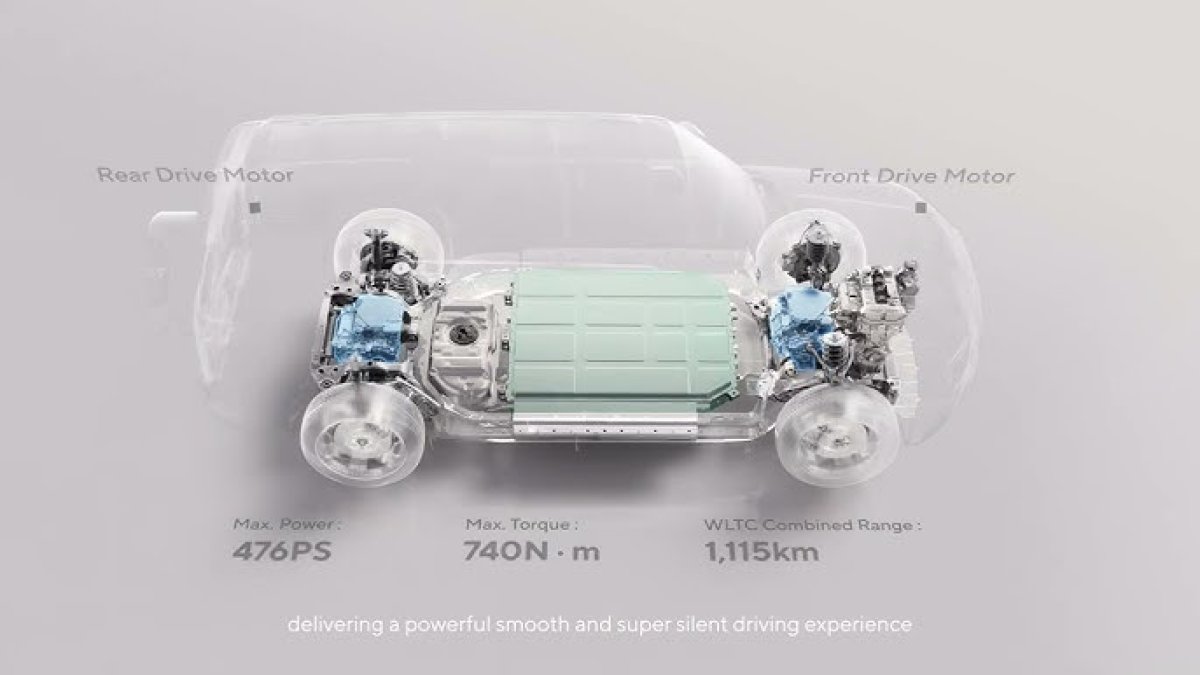
Scientists Develop New Method to Recycle EV Batteries and Recover Precious Metals
As electric vehicles rapidly expand worldwide, questions arise about the fate of batteries after their lifespan ends. While some view these batteries as difficult waste, scientists confirm they still contain significant amounts of valuable metals ready for reuse.
Spent Batteries, Hidden Treasure
When an EV battery reaches the end of its life cycle, many believe disposal is the only option. Yet inside these spent batteries remain strategic high-value elements such as lithium, nickel, cobalt, and manganese—the core materials for modern battery manufacturing. This turns them into a "mobile mine" that can be utilized rather than wasted.
Innovative Recycling Technology
A team of researchers has successfully developed a new technology for recycling lithium-ion batteries, enabling more efficient recovery of active materials used in electrode production with lower energy consumption compared to traditional methods. Current recycling processes often involve dismantling batteries using high temperatures or strong chemicals—costly, energy-intensive operations that sometimes lead to the loss of valuable materials during processing.
Rehabilitation Over Disassembly
The new technology focuses on rehabilitating active materials directly inside the battery rather than fully disassembling them into raw elements. This preserves a large portion of the original material value and reduces the number of industrial steps required to produce new batteries. Researchers believe this method could represent a major shift toward a circular economy in the EV industry, where materials are reused multiple times instead of relying on continuous mining—a process associated with high costs and significant environmental challenges.
Growing Importance Amid Rapid Expansion
The significance of this development comes amid expectations of a rising number of batteries reaching end-of-life in the coming years, driven by the accelerating global sales of electric vehicles. Industry estimates suggest millions of batteries will need recycling by the end of this decade, underscoring the urgent need for more efficient and sustainable solutions.
Related News
View All News
Key, Gauges, and Mirrors: Familiar Car Details That May Vanish from Your Next Vehicle
Modern cars are rapidly going digital, and traditional features drivers have used for decades are gradually disappearing. Analog instrument clusters are being replaced by screens, start buttons are giving way…
Batteries, Fuel Cells, or Hydrogen Combustion? 3 Technologies Racing for the Future of Cars
Three technologies are competing for the future of automobiles: battery electric vehicles, hydrogen fuel cells, and hydrogen combustion engines. Global EV sales surpassed 20 million units in 2025, roughly a…
Best Engine Oils for Your Car in Summer
As summer temperatures rise, choosing the right engine oil becomes critical to protect your car's engine. Experts recommend full synthetic multi-grade oils like 5W-30 or 10W-40. Trusted brands such as…
Over 1 Billion Connected Cars by 2035 — Can Mobile Networks Keep Up?
Omdia Research projects that connected cars using cellular networks will exceed 1.05 billion by 2035, up from 473.7 million in 2025. The study warns that 4G shutdowns expected from 2030…
Don't Turn Off Your Car's AC This Winter — Experts Explain Why
Germany's TÜV NORD inspection authority recommends running your car's air conditioning at least once a week for 10 minutes, even in cold weather. Regular operation keeps compressor oil and seals…