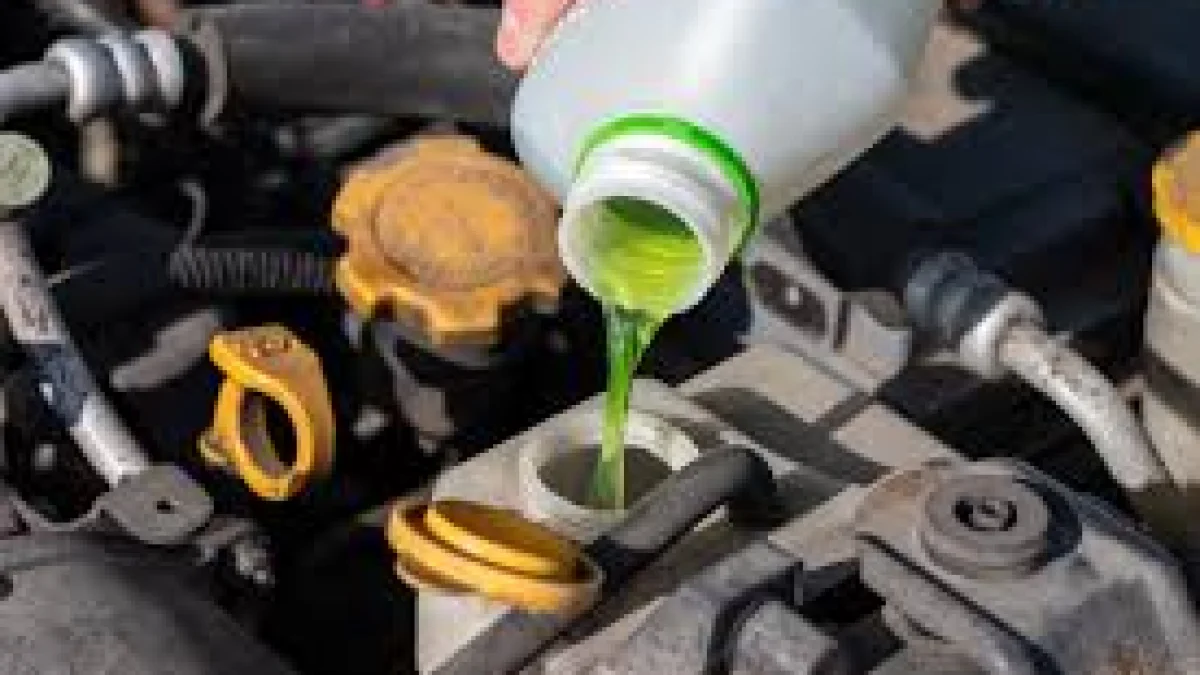
Radiator Coolant Constantly Dropping? Small Signs That Could Save Your Engine
Many drivers assume that a drop in radiator coolant level is a minor issue that can be fixed by simply adding more water or coolant. However, when this problem keeps recurring, it may be an early warning of a serious fault within the cooling system or even inside the engine itself. The cooling system is one of the most critical components for engine health, as it prevents overheating and keeps the vehicle operating within safe temperature limits. When coolant levels drop continuously, the engine becomes vulnerable to excessive heat, one of the most costly failures if not addressed promptly.
Leaks: The Most Common Culprit
Leaks top the list of causes for coolant loss. They can originate from cracked or deteriorated cooling hoses over time, or from a water pump that has corroded and lost its sealing ability. A faulty thermostat or damaged metal and plastic connections can also allow coolant to escape. The most severe cases involve a blown head gasket or a cracked cylinder head, where coolant seeps into the combustion chambers. This requires immediate professional inspection to prevent catastrophic engine damage.
The Radiator Cap: A Hidden Suspect
Many drivers overlook the radiator cap, yet it plays a vital role in maintaining proper pressure within the cooling system. If the cap is damaged or its valve weakens, the system loses the necessary pressure, causing coolant to evaporate or leak from the reservoir, especially during high-temperature driving or in stop-and-go traffic. Regular inspection of the cap and replacement at the first sign of wear can prevent unnecessary coolant loss.
High Temperatures Increase Evaporation
During summer or after long drives, a small amount of coolant evaporation is normal. However, frequent or significant drops should never be ignored. A lack of antifreeze or using plain water instead of a proper coolant mixture reduces system efficiency. The right coolant raises the boiling point and protects internal components from rust and corrosion. Always use a balanced blend of distilled water and coolant as recommended by the vehicle manufacturer.
Warning Signs You Shouldn't Ignore
A rising engine temperature gauge is one of the clearest indicators of a cooling system problem, especially if it happens repeatedly in traffic or when the air conditioning is on. Drivers may also notice steam escaping from under the hood, a low coolant level in the reservoir, or colored fluid spots beneath the car after parking. In some cases, a strange burning smell or the odor of hot fluid may enter the cabin. If any of these signs appear, it is wise to visit a qualified service center for a full cooling system inspection to avoid major repairs.
Related News
View All News
Signs of Spark Plug Failure in Your Car Engine — When to Replace Them
Spark plugs are essential engine components, and their failure causes difficulty starting, engine vibration, poor acceleration, and increased fuel consumption. Other signs include an illuminated check engine light and exhaust…

Your Complete Guide to Maintaining Car Tires as Winter Temperatures Drop
As winter approaches and temperatures fall, car tires need extra care to maintain grip and safety. Regular pressure checks, tread depth inspection, crack monitoring, and wheel alignment are essential steps.…

From Paper to Pavement: Inside the Making of a New Car
Developing a new car begins in the design studio with initial sketches that become a 3D digital model and then a full-size clay model. Engineering teams work in parallel to…

Tesla Drops 'Self-Driving' Name in Europe, Calls It 'Driver Assistant'
Tesla has renamed its 'Autopilot' system to 'Tesla Driver Assistant' in Europe after misleading claims. This change follows legal disputes and a retreat from full self-driving promises. In the U.S.,…

Chery Tiggo 9 CSH Survives Brutal Safety Tests: Saltwater Immersion and Underbody Impacts
Chery conducted extreme safety tests on the Tiggo 9 CSH, including a 24-hour saltwater immersion of its high-voltage battery and an underbody scraping test against a solid obstacle. Results showed…