

How to Protect Your Car's Paint from Summer Heat Damage
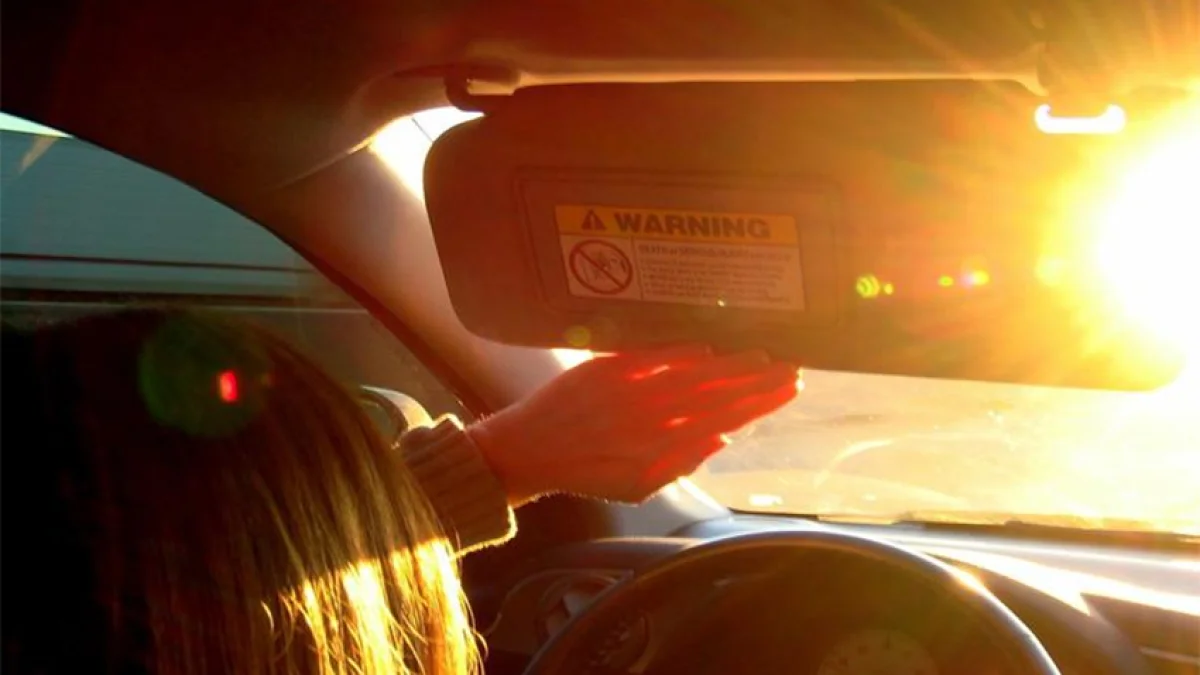
As temperatures rise during the summer months and trips to coastal cities and beaches increase, cars face significant stress from strong sunlight, humidity, and salt particles in coastal environments. The impact of hot weather is not limited to driver and passenger comfort; it also extends to the car's paint, which can gradually lose its shine or suffer damage and cracking if not properly maintained.
Why Car Paint Suffers in Summer
Car paint is one of the most vulnerable components to weather conditions, especially with continuous exposure to ultraviolet rays, dust, and light rain carrying impurities. High temperatures and direct sunlight accelerate the deterioration of the protective outer layer of paint. Salt found in coastal areas can also weaken paint layers over time. Key factors threatening car paint include prolonged direct sunlight, humidity and salt in coastal cities, airborne dust and sand, bird droppings and insects, and the use of cleaning products not designed for automotive surfaces.
Tips for Maintaining Car Paint During Summer
To extend the life of your paint and preserve your car's appearance, follow these guidelines: Remove any dirt or stuck-on materials using water pressure rather than scraping or aggressive rubbing. Park in shaded areas whenever possible to minimize direct sun exposure. Avoid leaving the car wet for long periods after washing. Use only sprays and cleaning products specifically designed for car surfaces. Remove bird droppings and insect residue immediately to prevent chemical reactions with the paint. Cover the car when parked for extended periods, especially in coastal areas near the sea.
Wash the car regularly to remove accumulated dust and salt. Use a high-quality car cover to protect the exterior body. Apply protective layers such as nano-ceramic coatings or clear paint protection films (PPF) to help reduce the impact of weather factors. Use dedicated polishing and protection products according to manufacturer instructions. Avoid using dish soap or laundry detergents when cleaning the car, as they can negatively affect the protective paint layer and cause color fading over time.
Related News
View All News
Signs of Spark Plug Failure in Your Car Engine — When to Replace Them
Spark plugs are essential engine components, and their failure causes difficulty starting, engine vibration, poor acceleration, and increased fuel consumption. Other signs include an illuminated check engine light and exhaust…

Your Complete Guide to Maintaining Car Tires as Winter Temperatures Drop
As winter approaches and temperatures fall, car tires need extra care to maintain grip and safety. Regular pressure checks, tread depth inspection, crack monitoring, and wheel alignment are essential steps.…
From Paper to Pavement: Inside the Making of a New Car
Developing a new car begins in the design studio with initial sketches that become a 3D digital model and then a full-size clay model. Engineering teams work in parallel to…

Tesla Drops 'Self-Driving' Name in Europe, Calls It 'Driver Assistant'
Tesla has renamed its 'Autopilot' system to 'Tesla Driver Assistant' in Europe after misleading claims. This change follows legal disputes and a retreat from full self-driving promises. In the U.S.,…

Chery Tiggo 9 CSH Survives Brutal Safety Tests: Saltwater Immersion and Underbody Impacts
Chery conducted extreme safety tests on the Tiggo 9 CSH, including a 24-hour saltwater immersion of its high-voltage battery and an underbody scraping test against a solid obstacle. Results showed…

