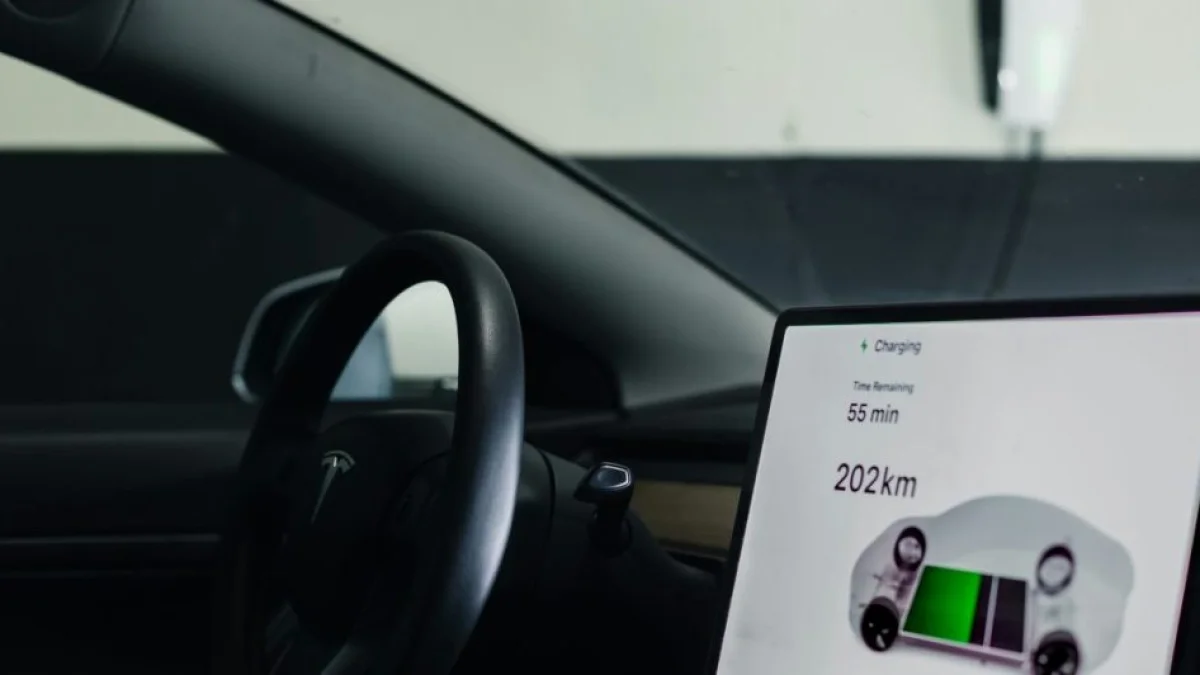
Your Electric Car May Not Always Deliver Advertised Power: The Secret Lies in Two Key Numbers
The article explains that electric cars advertise impressive peak power but it is temporary, while continuous power is much lower due to heat buildup. The Porsche Taycan Turbo GT example shows 1,093 hp peak versus 220 hp continuous. Understanding these two numbers helps buyers assess real performance instead of being dazzled by big figures.
When electric car companies announce power figures exceeding 1,000 horsepower, the number sounds astonishing. But can the car actually maintain that power while driving? The answer lies in distinguishing between peak power and continuous power—two completely different numbers, yet consumers often only see the larger figure in the specs. This distinction has become a hot topic in the world of electric vehicles.
Peak Power: An Exciting but Temporary Number
Electric cars can produce enormous energy for a few seconds, especially during launch or when using launch control systems. The Porsche Taycan Turbo GT stands out as a clear example; its peak power reaches 1,093 horsepower, while continuous power according to a different standard test is only about 220 horsepower. This gap isn't a contradiction—it reflects the nature of electric motors.
This doesn't mean there is a contradiction in the car's numbers, as each figure measures something different. Peak power reflects the maximum performance the powertrain can deliver for a short period, while continuous power measures the car's ability to maintain a level of performance for a longer time. That is why buyers find themselves facing two completely different numbers.
Heat Is the Real Enemy of Electric Cars
The large gap between the two figures is mainly due to heat. When massive amounts of energy are drawn from the battery, the temperatures of the cells, motors. Inverter units rise, and as operation continues, the car's management systems intervene to reduce power and protect components from damage. This engineering challenge imposes itself on every electric car, regardless of its brand.
Continuous power is also affected by battery temperature, state of charge, ambient temperature, and cooling system efficiency. For this reason, an electric car may deliver tremendous performance at launch, but it can't necessarily maintain the same power during a long track session. This fact becomes clearer in high-performance cars like the Taycan that rely on advanced cooling systems.
Why Official Power Figures Don't Reflect Daily Driving
Regulatory bodies use different tests to measure electric car power. Among them is the ECE R85 test. That measures the maximum power the powertrain can maintain for 30 minutes. The result of this test doesn't mean the car will suddenly become weak after 30 minutes; it represents a standard measurement under specific conditions.
Internal combustion engine cars have known the concept of temporary power before, through overboost systems that give the engine a short power increase. The difference is that electric cars rely entirely on the battery and electric motors, making heat management more complex. Even hybrids like Toyota face similar challenges when relying on electric power for long periods.
Which Number Matters Most to Buyers?
The answer depends on usage. If you are looking for a daily driver, continuous power is the most realistic indicator of your car's performance on long roads. If you are a fan of rapid acceleration, peak power gives you the temporary thrill you seek. But in all cases, buyers must realize that advertised figures are only part of the picture.
This doesn't mean electric cars are weak; they deliver amazing performance under certain conditions. Understanding the difference between peak and continuous power helps buyers make an informed decision, instead of being dazzled by a single number that may not reflect the full experience behind the wheel.
Frequently Asked Questions
3 questions answered
Related News
View All News
5 Dangerous Signs After Converting Your Car to LPG — If They Appear, See a Mechanic Immediately
Converting a car to LPG saves fuel costs but carries risks if installation is poor. Gas consumption runs 10% to 30% higher than petrol depending on the car and driving…
6 Signs Your Cooling Fan Is Failing — And 3 Times It's Perfectly Normal
Engine cooling fan running after ignition shutdown worries many drivers, but it's normal after long drives, in hot weather, and during traffic congestion. The ECU activates the fan for extra…
Why Rotating Your Front and Rear Tires Extends Their Life by 25%
Automotive experts recommend rotating front and rear tires regularly to ensure even wear and extend lifespan by up to 25%. Front tires wear faster due to engine weight, braking force,…
Hyundai Delays Its Driver Assistance Software to 2029, Partners with Nvidia to Catch Tesla and Chinese Rivals
Hyundai Motor Group has postponed the launch of its in-house driver assistance software to late 2029 instead of 2027. The company will partner with Nvidia to introduce ADAS at Level…

5 Cheapest Rear Cameras for Older Cars, Starting at EGP 245
Five budget rear-view cameras are available in the Egyptian market for older cars, priced between EGP 245 and EGP 450. Models from Fabtec, HSH, and Cap Nickel offer features like…