Mercedes AMG EV Brings Back V8 Sound and Gear Shift Feel — Why Fight the Electric Era?
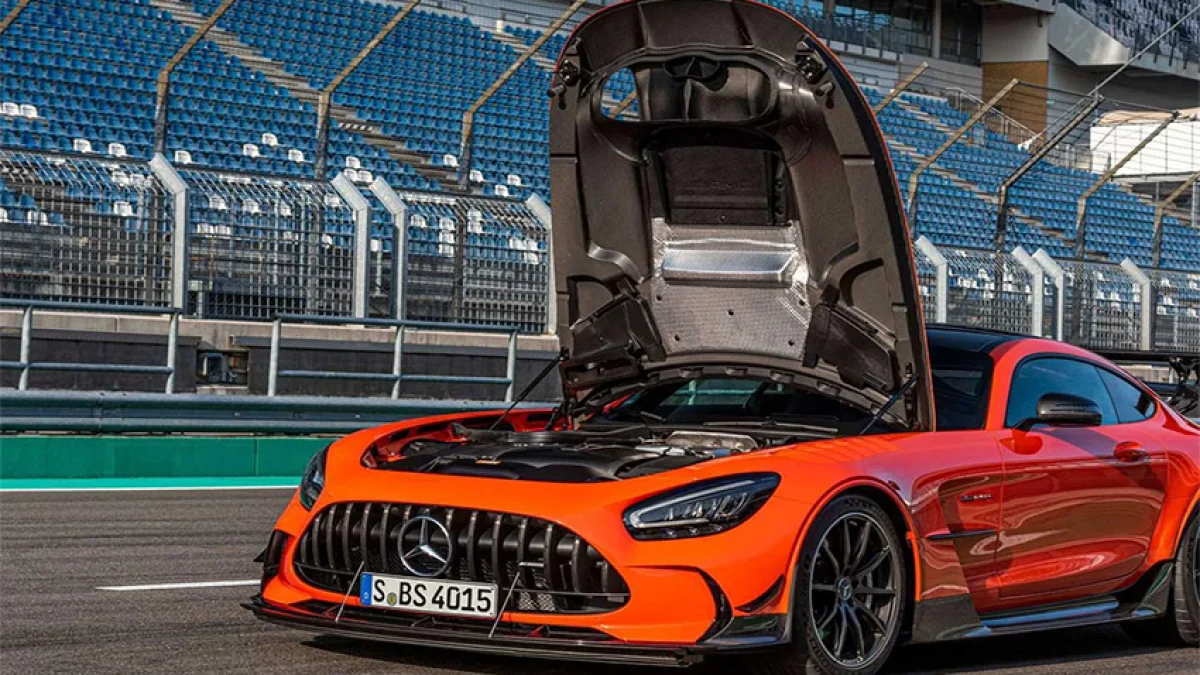
Mercedes AMG unveiled an all-electric vehicle that combines extreme performance with a digital system recreating V8 sound and full gear-shift simulation. The car accelerates from 0-100 km/h in 2.1 seconds with a top speed near 300 km/h. The goal is restoring the emotional sensory experience that electric vehicles lost during the shift toward silent powertrains.
Mercedes AMG's all-electric vehicle just broke the silence that defines the electric era. The German automaker introduced a digital sound system that recreates the iconic V8 rumble, paired with a complete gear-shift simulation and vibration effects feeding through the seat and steering wheel. Top speed reaches around 300 km/h, with a 0-100 km/h sprint of just 2.1 seconds.
More Than Just an EV — It's a Sensory Experience
The truth is, this move goes far beyond raw performance numbers. Electric motors deliver instant torque and brutal acceleration, yet they lack the mechanical soundtrack and shift progression that defined sports cars for decades. Mercedes decided to close that gap by recreating the V8 note digitally while simulating gear changes with haptic feedback.
This new model, finally unveiled after months of speculation, represents a clear attempt to merge electric driving benefits with the traditional joy that performance enthusiasts crave. Fans of Mercedes have never viewed their cars as mere transportation tools throughout the brand's long history.
The experience behind the wheel was always about sound, interaction, and emotion. Today's AMG rebuilds that emotional connection through modern technology — digital sound generators and intelligent vibration systems replace pistons and combustion with convincing artificial feedback.
A Completely New Battlefield in the EV War
Mercedes' strategy sends a clear signal to every competitor in the industry. The race within Mercedes-Benz territory is no longer restricted to battery range figures, motor output, or zero-to-100 km/h times.
The stakes today are far higher. Competition has expanded into the emotional territory once owned by gasoline performance machines — specifically, that visceral feeling delivered by V8 engines over so many decades. The German giant now uses digital effects and smart software to resurrect the experience inside a fully electric vehicle.
The real question remains unanswered: will this approach convince traditional V8 purists to make the switch? Numbers alone can't settle this complex matter — the outcome depends on whether the sensory simulation proves convincing enough to fool the human brain behind the wheel.
Frequently Asked Questions
3 questions answered
Related News
View All News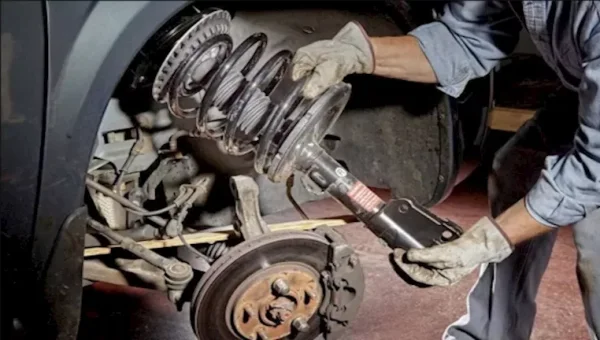
When Should You Replace Your Car's Shock Absorbers? 5 Signs You Can't Ignore
Shock absorbers are a core part of the suspension system, responsible for damping impacts and keeping the car stable. Five key signs indicate they are failing: unusual vibration, repeated bouncing…
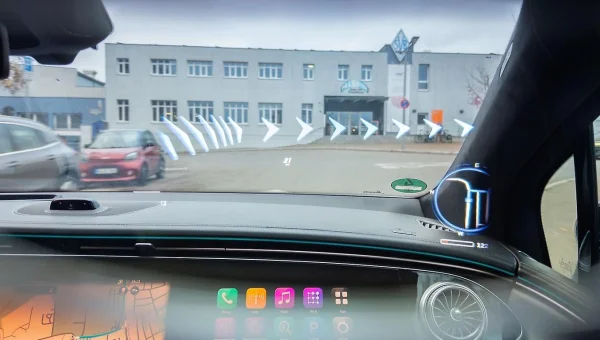
Mercedes Unveils Holographic Windshield Display Invisible to the Driver
Mercedes-Benz has revealed its Holo Display technology that turns the windshield into a holographic screen showing personalized content for each occupant. The system uses a small projector and a transparent…
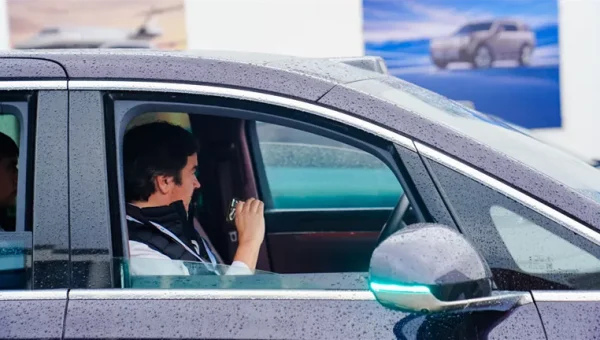
LUXEED Unveils SIVP Smart Parking System: Centimeter-Accurate Self-Parking and Remote Retrieval
LUXEED unveiled its Super Intelligent Valet Parking (SIVP) system at a global media test-drive event on October 20. The system supports fully autonomous parking and remote vehicle retrieval via mobile…
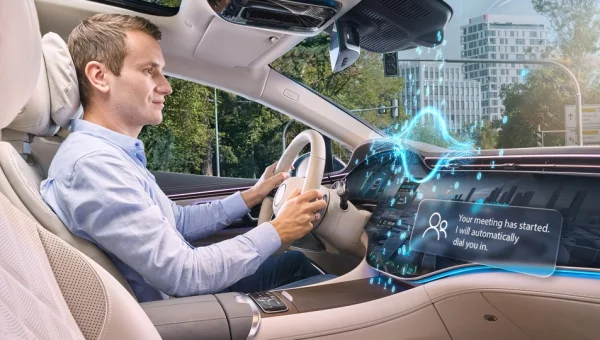
AI Is Stealing Car Chips: Aumovio Warns of Sharp Cost Increases
The automotive industry faces a new threat: a shortage of legacy semiconductors as chipmakers redirect production toward AI data center components. Nexperia interim CEO Stefan Tilger confirmed competitors have shifted…
European Test Reveals: Tesla's Full Self-Driving Reads Traffic Signs Then Ignores Them
A European test by Belgian safety organization Johanna.be found that Tesla's Full Self-Driving system committed traffic violations over 400 kilometers in Brussels. The system exceeded the speed limit on 55%…