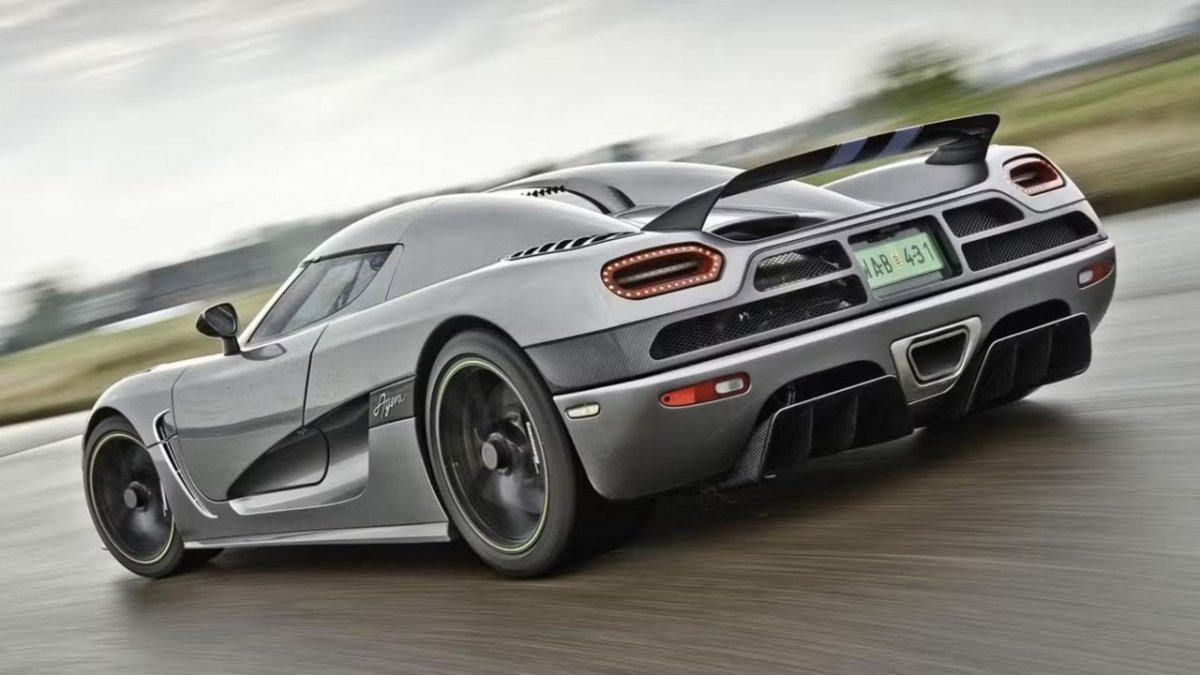
Koenigsegg Breaks the Megawatt Barrier: A New Era for Hypercars
Swedish automaker Koenigsegg continues to solidify its position among the world's elite hypercar manufacturers, having unveiled advanced powertrain technologies capable of generating up to 1 megawatt—equivalent to approximately 1,341 horsepower. This milestone reflects the accelerating trend toward unprecedented performance levels in the ultra-high-performance sports car industry.
Achieving the megawatt threshold has been a key objective for hypercar companies in recent years, representing a major engineering leap in the performance world. Koenigsegg succeeded by developing sophisticated hybrid systems that combine internal combustion engines with highly efficient electric motors.
Dark Matter Technology at the Core
One of the most significant secrets behind this achievement is the new electric motor developed by the company under the name Dark Matter. It features exceptionally high energy density relative to its size and weight, capable of producing hundreds of horsepower while weighing only tens of kilograms.
The technology relies on an innovative design that blends the advantages of conventional motors with axial-flux motors, allowing exceptional levels of efficiency and power within a compact footprint.
The V8 Engine Remains Present
Despite the growing reliance on electrification, Koenigsegg has not abandoned internal combustion engines. Some of its latest models feature a twin-turbocharged 5.0-liter V8 engine, integrated with electric motors to deliver total power exceeding the megawatt mark.
This combination provides immense acceleration capabilities while maintaining daily usability and high efficiency levels compared to traditional hypercars.
Performance Approaching Race Car Territory
This enormous power enables vehicles equipped with this technology to achieve exceptional acceleration and top-speed figures. Some Koenigsegg models can reach 100 km/h in under three seconds, with the ability to continue accelerating to speeds exceeding 400 km/h.
The evolution extends beyond raw power to include electronic control systems, aerodynamics, and lightweight materials used in chassis construction, ensuring full utilization of this immense energy.
The Future of Hypercars
Koenigsegg's megawatt project reflects the transformation underway in the hypercar industry, where integrating electrification with internal combustion engines has become the new standard for extraordinary performance.
Related News
View All News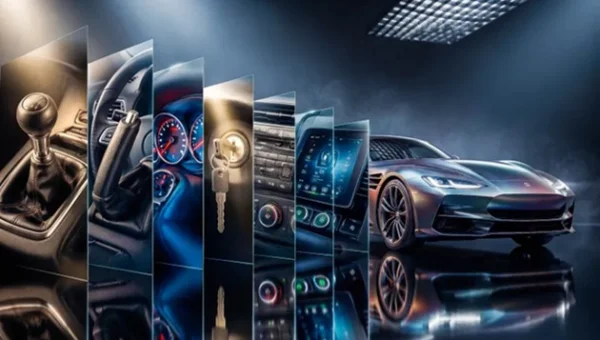
Key, Gauges, and Mirrors: Familiar Car Details That May Vanish from Your Next Vehicle
Modern cars are rapidly going digital, and traditional features drivers have used for decades are gradually disappearing. Analog instrument clusters are being replaced by screens, start buttons are giving way…
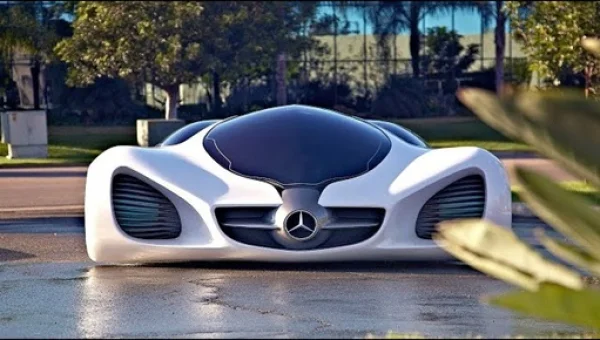
Batteries, Fuel Cells, or Hydrogen Combustion? 3 Technologies Racing for the Future of Cars
Three technologies are competing for the future of automobiles: battery electric vehicles, hydrogen fuel cells, and hydrogen combustion engines. Global EV sales surpassed 20 million units in 2025, roughly a…
Best Engine Oils for Your Car in Summer
As summer temperatures rise, choosing the right engine oil becomes critical to protect your car's engine. Experts recommend full synthetic multi-grade oils like 5W-30 or 10W-40. Trusted brands such as…
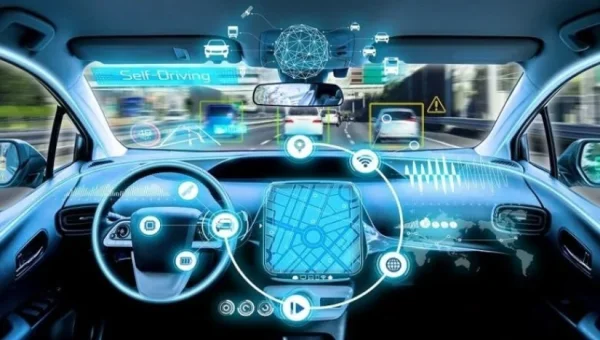
Over 1 Billion Connected Cars by 2035 — Can Mobile Networks Keep Up?
Omdia Research projects that connected cars using cellular networks will exceed 1.05 billion by 2035, up from 473.7 million in 2025. The study warns that 4G shutdowns expected from 2030…

Don't Turn Off Your Car's AC This Winter — Experts Explain Why
Germany's TÜV NORD inspection authority recommends running your car's air conditioning at least once a week for 10 minutes, even in cold weather. Regular operation keeps compressor oil and seals…