

Hearing Knocking Sounds When Accelerating? Expert Reveals the Cause and Warning Signs
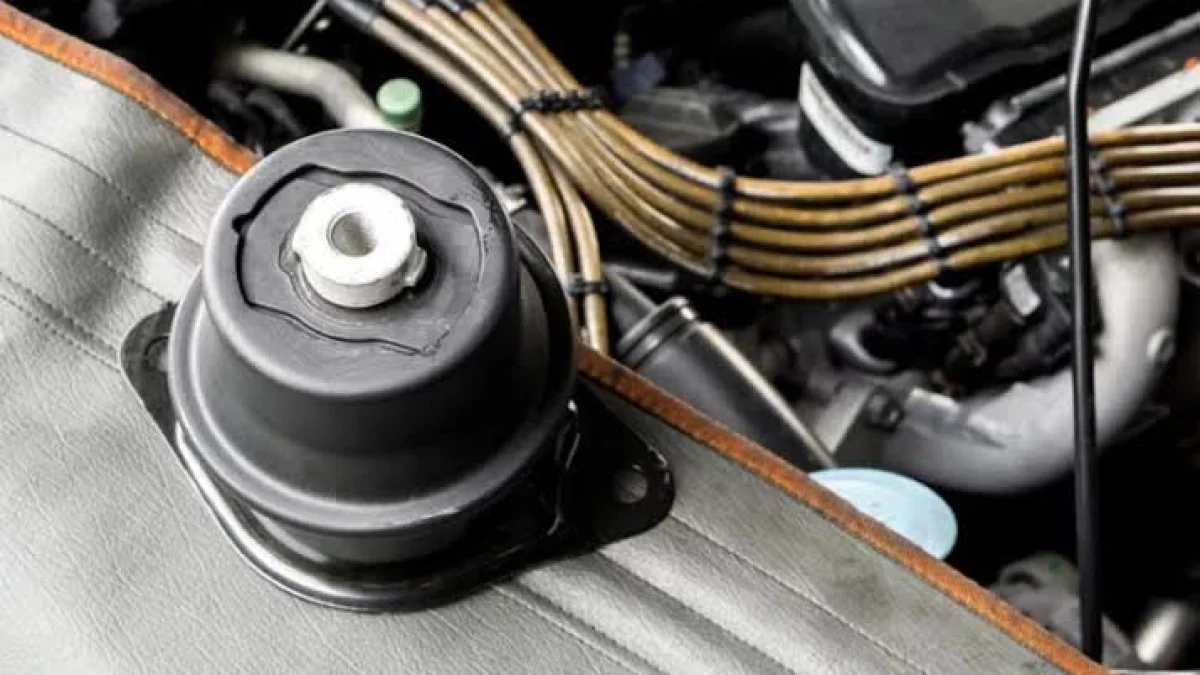
Engine mounts are among the most critical components in any vehicle, serving a purpose far beyond simply holding the engine in place. Their primary role is to absorb vibrations, maintain the balance of the powertrain, and ensure a smooth and comfortable driving experience. Over time, however, these mounts can wear out or become damaged, leading to a range of warning signs that require immediate attention to prevent more serious and costly mechanical failures.
Key Symptoms of Failing Engine Mounts
Automotive mechanic expert Ayman Saeed explained that engine mounts are responsible for securing the engine in its correct position, isolating operational vibrations, and limiting excessive engine movement during driving. He emphasized that failure manifests through several clear indicators that drivers can easily notice. The most prominent symptoms include noticeable vibrations transferring to the steering wheel, gearshift, and chassis, along with hearing knocking or clicking sounds when accelerating or shifting gears. Additionally, drivers may observe abnormal engine movement within the engine bay when the hood is open.
Risks of Ignoring Worn Engine Mounts
The expert added that neglecting to replace damaged engine mounts can lead to increased mechanical stress on various vital components, including hoses, the exhaust system, drive shafts, and electrical wiring. This added strain can cause secondary failures that are difficult to diagnose or may be misinterpreted by technicians, resulting in wasted time and money on unnecessary repairs. Continuing to drive with deteriorated engine mounts not only compromises passenger comfort due to constant vibrations but also accelerates the wear rate of many surrounding engine parts.
Essential Diagnostic Advice
Saeed stressed that noises or vibrations coming from the engine do not necessarily indicate an internal engine problem—the issue could simply be worn-out engine mounts. He strongly recommended that engine mounts be inspected as part of the first diagnostic steps before undertaking any costly repair work, especially when the mentioned symptoms appear. Regular inspection of these mounts, whether in modern or older vehicles, can save drivers significant financial and technical trouble in the long run, preserving the vehicle's safety and optimal performance.
Related News
View All News
Signs of Spark Plug Failure in Your Car Engine — When to Replace Them
Spark plugs are essential engine components, and their failure causes difficulty starting, engine vibration, poor acceleration, and increased fuel consumption. Other signs include an illuminated check engine light and exhaust…

Your Complete Guide to Maintaining Car Tires as Winter Temperatures Drop
As winter approaches and temperatures fall, car tires need extra care to maintain grip and safety. Regular pressure checks, tread depth inspection, crack monitoring, and wheel alignment are essential steps.…

From Paper to Pavement: Inside the Making of a New Car
Developing a new car begins in the design studio with initial sketches that become a 3D digital model and then a full-size clay model. Engineering teams work in parallel to…

Tesla Drops 'Self-Driving' Name in Europe, Calls It 'Driver Assistant'
Tesla has renamed its 'Autopilot' system to 'Tesla Driver Assistant' in Europe after misleading claims. This change follows legal disputes and a retreat from full self-driving promises. In the U.S.,…

Chery Tiggo 9 CSH Survives Brutal Safety Tests: Saltwater Immersion and Underbody Impacts
Chery conducted extreme safety tests on the Tiggo 9 CSH, including a 24-hour saltwater immersion of its high-voltage battery and an underbody scraping test against a solid obstacle. Results showed…

