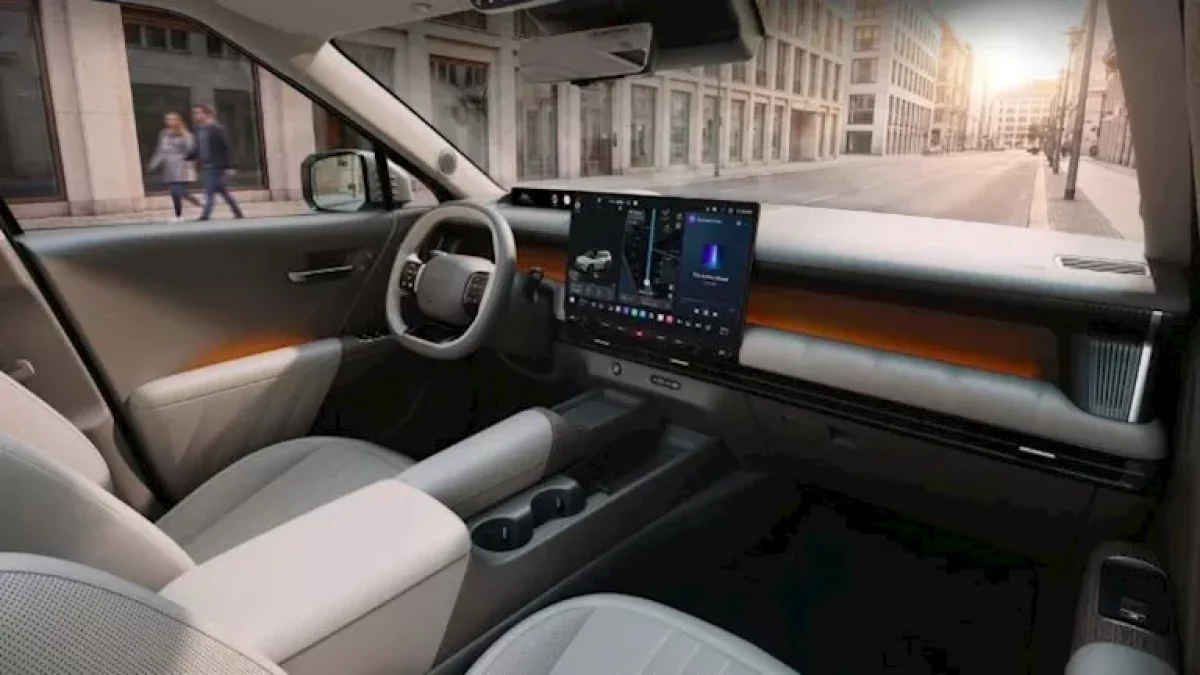
Hyundai Delays Its Driver Assistance Software to 2029, Partners with Nvidia to Catch Tesla and Chinese Rivals
Hyundai Motor Group has postponed the launch of its in-house driver assistance software to late 2029 instead of 2027. The company will partner with Nvidia to introduce ADAS at Level 2+ and 2++ by 2028, using the Hyperion 10 platform that relies on cameras and radar instead of costly lidar. The delay raises concerns about Hyundai's ability to compete with Tesla and Chinese rivals in autonomous driving, but Hyundai insists its Atria software platform will benefit from Nvidia's data.
Hyundai Motor Group has pushed back the launch of its in-house driver assistance software to late 2029 instead of 2027. The decision exposes the Korean automaker's struggle in the autonomous driving race. Yet Hyundai isn't backing down. It's turning to a new partnership with Nvidia to accelerate development of advanced driver assistance systems (ADAS) across its Hyundai lineup.
Strategic Partnership with Nvidia for ADAS Development
Park Min-woo, one of Hyundai Motor Group's presidents, confirmed the company will collaborate with Nvidia to roll out ADAS at Level 2+ and 2++ by 2028. Park, a former Nvidia CEO who joined Hyundai in January, is driving this shift after his predecessor, Song Chang-hyun, focused heavily on in-house development before his sudden exit in December. "Our partnership with Nvidia doesn't mean we are placing our entire fate in their hands," Park said. He added that Hyundai will co-design the technology and use the resulting data to train its own software platform, Atria.
Competitive Pressure from Tesla and Chinese Automakers
The delay fuels real concerns about Hyundai's ability to keep pace with Tesla and Chinese rivals in the autonomous driving race. While Chinese companies race ahead with advanced systems, Hyundai appears forced to lean on an American partner to offset its lag. But that doesn't mean it's giving up. The Atria platform will benefit from data gathered by Nvidia's systems, potentially giving Hyundai a strong boost down the road. Models like the Hyundai Tucson could be among the first to benefit from these technologies in the future.
Hyperion 10 Platform Without Lidar
In a practical move, Hyundai vehicles equipped with Nvidia's Hyperion 10 platform will initially rely on cameras, ultrasonic sensors. Radar instead of costly lidar sensors. This decision cuts costs and speeds up production. Does it mean a drop in accuracy? The answer depends on how advanced Nvidia's software becomes. But Hyundai is betting this approach is enough to compete with Kia and its sibling brands within the group. Eventually, the Egyptian market may see these technologies in models like the Hyundai Elantra in the coming years.
What the Delay Means for Hyundai's Future
By 2029, competition will be fierce. Tesla continues to develop Full Self-Driving. Chinese automakers like BYD are rolling out semi-autonomous systems at competitive prices. Hyundai's delay could cost it market share, but the Nvidia partnership might give it a technological leap. Importantly, Hyundai remains committed to developing its own platform, giving it future flexibility. In a market like Egypt, where models such as the Hyundai Accent are widespread, the arrival of these technologies may be gradual.
The landscape is shifting fast. Hyundai knows that catching up requires bold moves. The delay isn't the end of the road — it's a realignment. The Nvidia partnership could be the key to keeping pace with Tesla and Chinese rivals while preserving Hyundai's tech identity.
Frequently Asked Questions
3 questions answered
Related News
View All News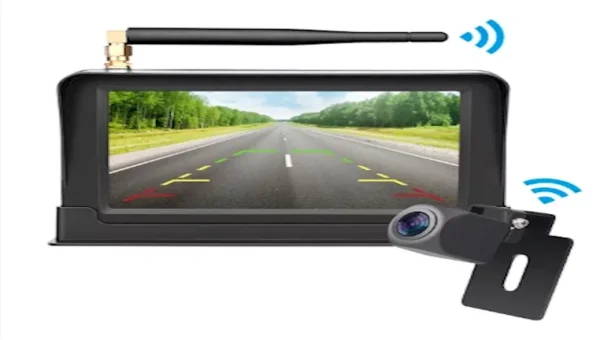
5 Cheapest Rear Cameras for Older Cars, Starting at EGP 245
Five budget rear-view cameras are available in the Egyptian market for older cars, priced between EGP 245 and EGP 450. Models from Fabtec, HSH, and Cap Nickel offer features like…
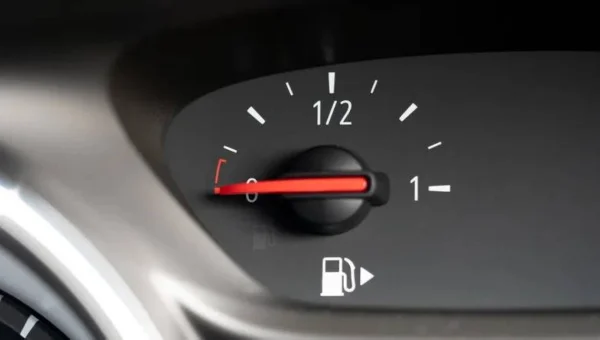
Fuel Warning Light Isn't Just a Reminder: What Your Car Loses When You Drive on Empty
Repeatedly driving on empty puts extra stress on the fuel pump, which relies on surrounding gasoline to stay cool. Low fuel levels cause the pump to run hotter, shortening its…
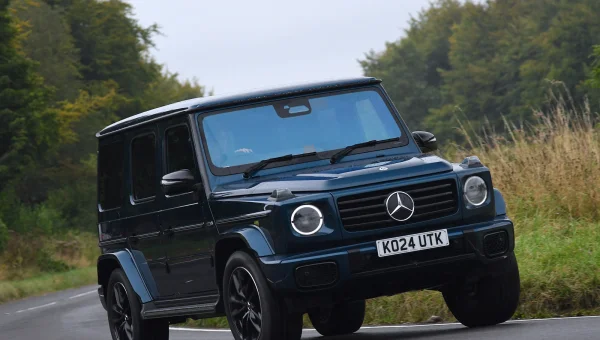
Mercedes G-Class Could Learn to Swim: Patent Reveals Floating System for Electric Version
A new patent reveals a buoyancy system for the Mercedes G-Class Electric that allows it to stay on the water surface and move across it. The system uses inflatable or…
Automotive Expert Warns: Large Screens May Delay Driver Decisions in Critical Moments
Tony Latif, an electric vehicle expert, warned that advanced touchscreens in modern cars can slow driver response in critical moments such as dimming high beams. Speaking on the "Arabity" program,…
Hisham El-Zeiny Warns: Advanced Technology Could Turn Modern Cars into a 'Moving Coffin'
Egyptian broadcaster Hisham El-Zeiny has warned that advanced technology in modern cars can become a 'moving coffin' when a sudden power failure occurs. He cited the recall of nearly 4…