Fuel Warning Light Isn't Just a Reminder: What Your Car Loses When You Drive on Empty
Repeatedly driving on empty puts extra stress on the fuel pump, which relies on surrounding gasoline to stay cool. Low fuel levels cause the pump to run hotter, shortening its lifespan, with possible engine stuttering during corners or acceleration. The myth about sediment being pulled into the engine is inaccurate, but an old fuel tank increases filter clogging risks. Avoiding constant driving on reserve helps maintain fuel system efficiency.
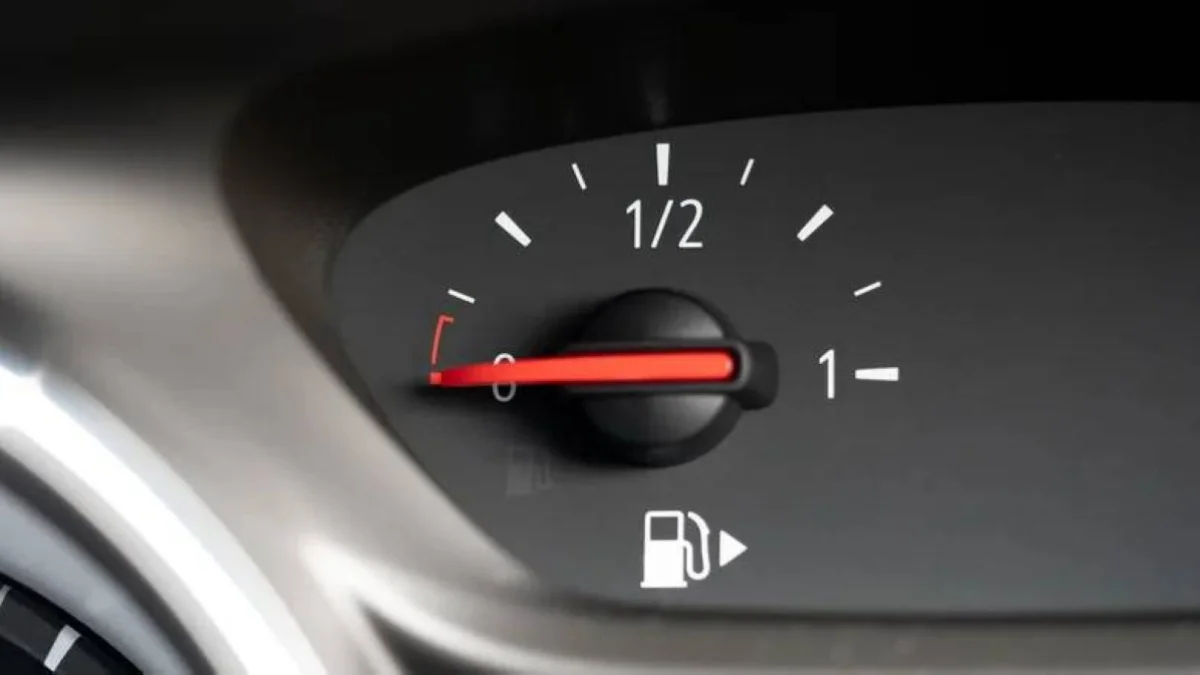
The fuel warning light in your car isn't a challenge—it's a signal that your fuel tank needs immediate refueling. Repeatedly driving on empty can cause real damage to your fuel system, especially the fuel pump that sits inside the tank. Don't take this habit lightly.
Why Does the Fuel Pump Suffer When Fuel Runs Low?
In most modern cars, the fuel pump is mounted inside the tank. It relies on the surrounding gasoline to cool itself during continuous operation. When fuel levels drop repeatedly, the pump runs hotter and works under harsh conditions. This heat stress gradually shortens its lifespan. The result? An early replacement with an unexpected bill.
It doesn't stop there. During steep climbs, sharp corners, or hard acceleration, fuel sloshes away from the pickup point for brief moments. With a nearly empty tank, air can enter the fuel line and cause engine stuttering or sudden stalling. A dangerous situation on the highway.
Common Myths About Driving on Empty
Many believe that driving on a nearly empty tank pulls sediment from the bottom straight into the engine. The truth is different. The fuel pump draws from the lower area regardless of fuel level. The fuel filter catches debris before it reaches the injection system. But an old tank with heavy sediment or poor-quality fuel can increase the risk of filter clogging and pump strain. That's when using fuel from a trusted source and maintaining the fuel system becomes essential.
Another myth claims that driving with little fuel saves consumption. In practice, that's false. The difference in vehicle weight is too small to make a noticeable impact on fuel economy. Real savings come from driving style and regular maintenance, not from delaying fill-ups.
When Does the Habit Become a Real Problem?
Hitting the reserve once in a while isn't a disaster. The problem lies in repeatedly driving on a nearly empty tank. Over time, this simple habit turns into a costly maintenance bill covering fuel pump replacement, fuel filter changes, or a full injection system cleaning. Avoid waiting until the light comes on every time, especially before travel or long drives.
Keep a reasonable amount of fuel in the tank. This protects the fuel pump and ensures consistent engine performance while preventing unexpected breakdowns on the road. Your car deserves enough fuel—not a permanent reserve.
Frequently Asked Questions
3 questions answered
Related News
View All News
Mercedes G-Class Could Learn to Swim: Patent Reveals Floating System for Electric Version
A new patent reveals a buoyancy system for the Mercedes G-Class Electric that allows it to stay on the water surface and move across it. The system uses inflatable or…
Automotive Expert Warns: Large Screens May Delay Driver Decisions in Critical Moments
Tony Latif, an electric vehicle expert, warned that advanced touchscreens in modern cars can slow driver response in critical moments such as dimming high beams. Speaking on the "Arabity" program,…
Hisham El-Zeiny Warns: Advanced Technology Could Turn Modern Cars into a 'Moving Coffin'
Egyptian broadcaster Hisham El-Zeiny has warned that advanced technology in modern cars can become a 'moving coffin' when a sudden power failure occurs. He cited the recall of nearly 4…
Why Sports Cars Swear by Dual-Clutch Transmissions
This article explains the mechanics behind the dual-clutch transmission (DCT), a technology favored in sports cars from Porsche, Volkswagen, and Hyundai. The system uses two clutches to pre-select gears, enabling…

AI Solves the Hardest Problem for Women: Parking Made Easier
Artificial intelligence now helps drivers solve the problem of parking in tight spaces through advanced systems combining cameras and sensors. These systems offer steering assistance and full control over acceleration…