

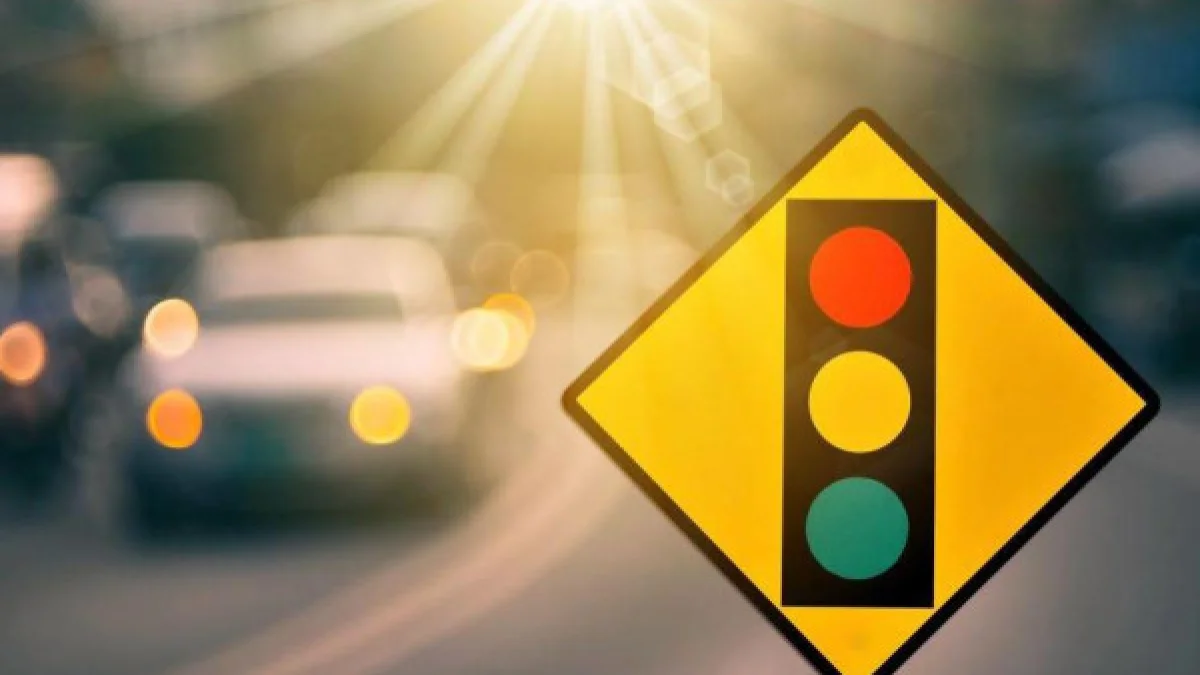
How Traffic Sign Recognition Reads Road Signs in Seconds to Improve Driving Safety
Modern vehicles no longer rely solely on the driver to identify road signs. An increasing number of new models are equipped with Traffic Sign Recognition (TSR), one of the key Advanced Driver Assistance Systems (ADAS). The technology detects traffic signs while driving and displays the information to the driver within a fraction of a second, helping reduce human error and improve road safety by providing timely driving information.
How Traffic Sign Recognition Works
Most Traffic Sign Recognition systems use a high-resolution camera mounted at the top of the windshield, typically behind the interior rearview mirror. The camera continuously scans the road for traffic signs, including speed limits, stop signs, and no-entry signs. Once a sign is captured, the software analyzes its shape, colors, numbers, and symbols using image-processing technology and artificial intelligence before displaying the result on the instrument cluster, the infotainment screen, or, in some vehicles, a Head-Up Display.
Working Alongside Driver Assistance Systems
The system does more than simply display detected traffic signs. In some vehicles, it can work together with other driver assistance technologies such as adaptive cruise control or driving assistance systems. For example, if the system detects a speed limit sign indicating 80 km/h, it may recommend reducing speed or, in certain models, automatically adjust the adaptive cruise control setting while leaving the final decision to the driver.
Technology Limits and Driver Responsibility
Despite significant advances in Traffic Sign Recognition technology, it is not free from limitations. Camera performance may be affected if traffic signs are covered by trees, obscured by dirt, exposed to direct sunlight, or when visibility is reduced by rain or fog. The system may also have difficulty interpreting temporary electronic signs or traffic signs used in road construction zones.
Automakers emphasize that Traffic Sign Recognition is designed as a driver assistance feature rather than a replacement for driver awareness. Drivers remain responsible for monitoring the road, observing actual traffic signs, and making appropriate driving decisions at all times. The system's role is to provide additional support and information that can help enhance safety and reduce the likelihood of traffic violations.
Related News
View All News
Signs of Spark Plug Failure in Your Car Engine — When to Replace Them
Spark plugs are essential engine components, and their failure causes difficulty starting, engine vibration, poor acceleration, and increased fuel consumption. Other signs include an illuminated check engine light and exhaust…

Your Complete Guide to Maintaining Car Tires as Winter Temperatures Drop
As winter approaches and temperatures fall, car tires need extra care to maintain grip and safety. Regular pressure checks, tread depth inspection, crack monitoring, and wheel alignment are essential steps.…
From Paper to Pavement: Inside the Making of a New Car
Developing a new car begins in the design studio with initial sketches that become a 3D digital model and then a full-size clay model. Engineering teams work in parallel to…
Tesla Drops 'Self-Driving' Name in Europe, Calls It 'Driver Assistant'
Tesla has renamed its 'Autopilot' system to 'Tesla Driver Assistant' in Europe after misleading claims. This change follows legal disputes and a retreat from full self-driving promises. In the U.S.,…
Chery Tiggo 9 CSH Survives Brutal Safety Tests: Saltwater Immersion and Underbody Impacts
Chery conducted extreme safety tests on the Tiggo 9 CSH, including a 24-hour saltwater immersion of its high-voltage battery and an underbody scraping test against a solid obstacle. Results showed…

