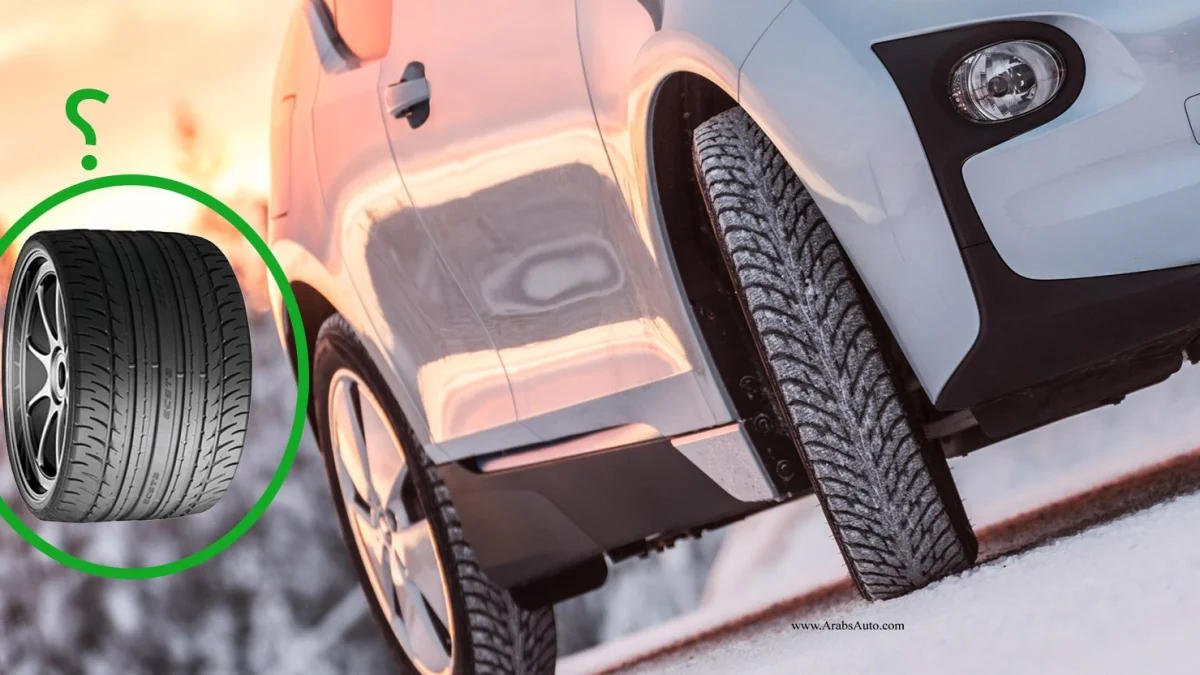
How Tires Protect You From Road Imperfections Before You Buy
Choosing the right car tire involves far more than selecting the correct size or finding the lowest price. A tire is the vehicle's only point of contact with the road, making it one of the most important components affecting ride comfort, handling stability, fuel efficiency, and cabin noise. Understanding how a tire performs before making a purchase can help drivers achieve a safer and more comfortable driving experience in everyday conditions.
The Tire Is the First Line of Defense Against Road Imperfections
Many drivers assume that the suspension system alone is responsible for absorbing bumps and delivering ride comfort. In reality, the tire performs the first stage of impact absorption before vibrations reach the shock absorbers, springs, and other suspension components. A modern tire is built from a sophisticated combination of rubber compounds, reinforcing fabrics, steel belts, and compressed air, allowing it to function as a flexible cushion between the vehicle and the road surface. The rubber compound, internal construction, and air volume all play a direct role in absorbing impacts, maintaining stability, and reducing vibrations while driving.
Sidewall Design and Run-Flat Technology
The tire's sidewall is one of the key factors influencing ride comfort. A taller and more flexible sidewall generally provides better absorption of potholes and small road imperfections. By contrast, low-profile tires commonly fitted to sports cars or vehicles equipped with larger wheels deliver a more aggressive appearance and sharper cornering response, but they typically offer less comfort on rough roads. Run-Flat tires provide the ability to continue driving for a limited distance after losing air pressure, offering an important safety advantage, particularly on highways. However, these tires rely on extremely rigid sidewalls capable of supporting the vehicle without air pressure, which can result in a firmer ride and make road imperfections more noticeable. As a result, they may not be the ideal choice for every driver or every type of road.
Wheel Weight and Proper Tire Pressure Matter
Ride quality is also influenced by the combined weight of the tires and wheels. Heavier wheels increase the workload placed on the suspension system when dealing with bumps and vibrations. While larger and heavier wheels can enhance a vehicle's appearance, they may reduce overall ride comfort and increase fuel consumption, particularly if the suspension system was not designed to manage the additional weight.
Maintaining the correct tire pressure according to the vehicle manufacturer's recommendations remains essential for achieving optimum tire performance. Incorrect tire pressure can affect impact absorption, vehicle stability, tire longevity, and fuel economy. Keeping tires properly inflated helps deliver the best balance between comfort, safety, and driving efficiency while preserving consistent performance across different road conditions.
Related News
View All News
Signs of Spark Plug Failure in Your Car Engine — When to Replace Them
Spark plugs are essential engine components, and their failure causes difficulty starting, engine vibration, poor acceleration, and increased fuel consumption. Other signs include an illuminated check engine light and exhaust…

Your Complete Guide to Maintaining Car Tires as Winter Temperatures Drop
As winter approaches and temperatures fall, car tires need extra care to maintain grip and safety. Regular pressure checks, tread depth inspection, crack monitoring, and wheel alignment are essential steps.…
From Paper to Pavement: Inside the Making of a New Car
Developing a new car begins in the design studio with initial sketches that become a 3D digital model and then a full-size clay model. Engineering teams work in parallel to…

Tesla Drops 'Self-Driving' Name in Europe, Calls It 'Driver Assistant'
Tesla has renamed its 'Autopilot' system to 'Tesla Driver Assistant' in Europe after misleading claims. This change follows legal disputes and a retreat from full self-driving promises. In the U.S.,…

Chery Tiggo 9 CSH Survives Brutal Safety Tests: Saltwater Immersion and Underbody Impacts
Chery conducted extreme safety tests on the Tiggo 9 CSH, including a 24-hour saltwater immersion of its high-voltage battery and an underbody scraping test against a solid obstacle. Results showed…