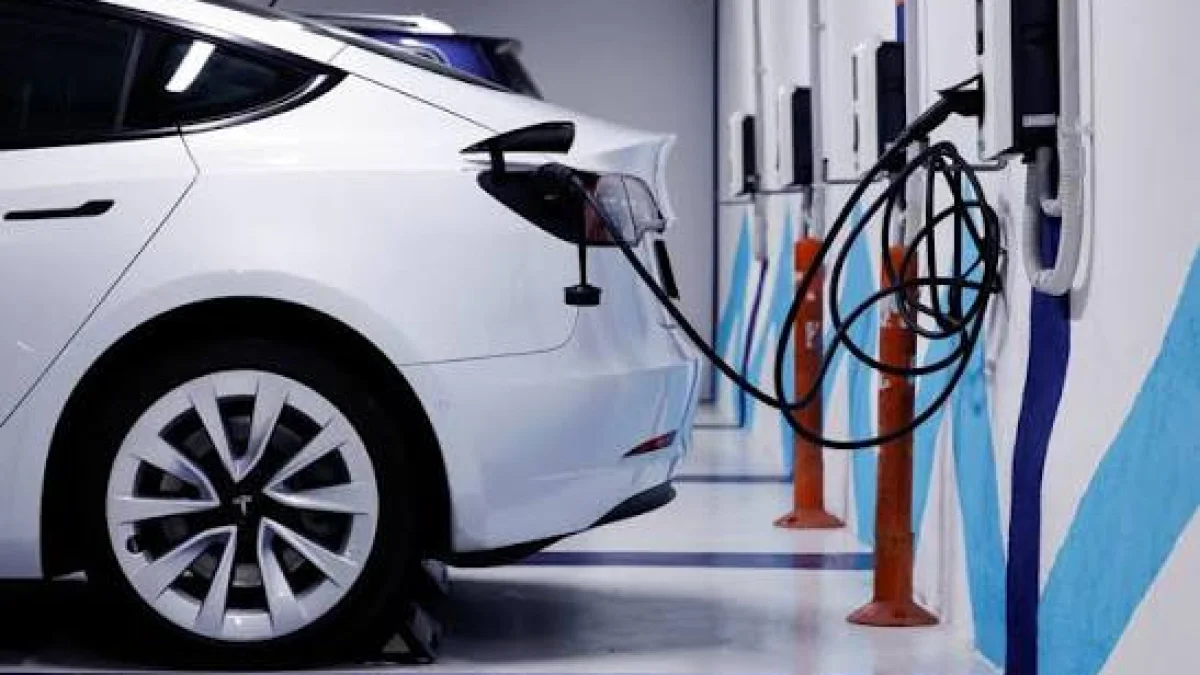
How Do Electric Cars Handle Heat? A Smaller Radiator with Bigger Responsibilities
The absence of a conventional engine in an electric car might suggest the end of the radiator and cooling system. Electric motors don't experience combustion reaching extreme temperatures like petrol or diesel engines. The reality is far more complex.
Electric vehicles generate heat too, just from different sources. They require a comprehensive thermal management system to keep the battery, electric motor. Electronic control units within a safe temperature range. Many EVs actually feature a radiator at the front, though it's smaller and less prominent than traditional ones.
Where Does Heat Come From in an EV?
No fuel combustion occurs inside an electric car, but that doesn't mean all stored battery energy converts to motion without losses. The battery produces heat when drawing power, especially during hard acceleration or high-speed driving, and its temperature rises during fast charging due to large electric currents flowing through the cells.
The electric motor itself generates heat from electrical resistance and internal friction. The inverter and power electronics that convert current and control its flow from battery to motor also reach high temperatures. An EV has three main heat sources needing thermal management: the battery, the electric motor. The drive system's control electronics.
The Battery Is the Most Sensitive Component
The high-voltage battery is the most expensive and temperature-sensitive part of an electric vehicle. If it overheats, performance drops and cell degradation accelerates, gradually reducing capacity and driving range. In cold weather, chemical reactions inside the cells slow down, decreasing the energy the battery can deliver or accept, and slowing charge rates.
Thermal management doesn't just cool the battery in summer — it also warms it in winter or before reaching a fast-charging station. Sensors distributed inside the battery pack constantly monitor cell temperatures. The radiator works with electric pumps, heat exchangers. The air conditioning system to cool or heat vehicle components as needed.
The radiator hasn't disappeared from the automotive world — its role has evolved and become smarter. Thermal management in an EV is a complex story, but it's essential for battery performance, longevity, and daily driving range.
Related News
View All News
Key, Gauges, and Mirrors: Familiar Car Details That May Vanish from Your Next Vehicle
Modern cars are rapidly going digital, and traditional features drivers have used for decades are gradually disappearing. Analog instrument clusters are being replaced by screens, start buttons are giving way…

Batteries, Fuel Cells, or Hydrogen Combustion? 3 Technologies Racing for the Future of Cars
Three technologies are competing for the future of automobiles: battery electric vehicles, hydrogen fuel cells, and hydrogen combustion engines. Global EV sales surpassed 20 million units in 2025, roughly a…
Best Engine Oils for Your Car in Summer
As summer temperatures rise, choosing the right engine oil becomes critical to protect your car's engine. Experts recommend full synthetic multi-grade oils like 5W-30 or 10W-40. Trusted brands such as…

Over 1 Billion Connected Cars by 2035 — Can Mobile Networks Keep Up?
Omdia Research projects that connected cars using cellular networks will exceed 1.05 billion by 2035, up from 473.7 million in 2025. The study warns that 4G shutdowns expected from 2030…

Don't Turn Off Your Car's AC This Winter — Experts Explain Why
Germany's TÜV NORD inspection authority recommends running your car's air conditioning at least once a week for 10 minutes, even in cold weather. Regular operation keeps compressor oil and seals…